Các cuộc tấn công vật lý vào hạ tầng lưới điện đang gia tăng trên khắp Bắc Mỹ, buộc các đơn vị điện lực ngày càng phải suy nghĩ vượt ra ngoài phạm vi an ninh chu vi truyền thống. Cuộc diễn tập GridEx mới nhất cho thấy bức tranh mối đe dọa mà các trạm biến áp phải đối mặt hiện không chỉ gồm phá hoại và hoạt động cố ý gây hư hại, mà còn có hoạt động của drone ở độ cao thấp, làm phức tạp hóa quá trình phát hiện, xác minh và ứng phó.
Theo Trung tâm Chia sẻ và Phân tích Thông tin Điện lực thuộc Tổ chức Độ tin cậy Điện lực Bắc Mỹ, hơn 3.500 vụ vi phạm an ninh vật lý đã được báo cáo trong năm 2025 tại Hoa Kỳ và Canada, tăng từ 2.800 vụ trong năm 2023. Khoảng 3 phần trăm số sự cố năm 2025 đã làm gián đoạn cung cấp điện, cho thấy các cuộc tấn công vật lý vào tài sản lưới điện không còn là những trường hợp bất thường riêng lẻ mà nhà vận hành có thể xem là sự việc thuần túy địa phương.
Một Bức Tranh Mối Đe Dọa Rộng Hơn cho Các Tiện Ích
Những xu hướng này tạo nên bối cảnh cho GridEx VIII, lần tổ chức thứ tám của cuộc diễn tập an ninh lưới điện hai năm một lần do E-ISAC của NERC tổ chức từ năm 2011. Diễn ra từ ngày 18 đến 20 tháng 11 năm 2025, cuộc diễn tập ghi nhận hơn 28.000 người tham gia, bao gồm nhân sự các đơn vị điện lực và đối tác chính phủ, trở thành lần có mức tham gia cao nhất kể từ năm 2019.
Kịch bản trung tâm trong GridEx VIII liên quan đến một quốc gia hư cấu tổ chức một sự kiện thể thao quốc tế lớn trong đợt nắng nóng gay gắt trong khi phải đối mặt với một chiến dịch phá hoại phối hợp, các cuộc tấn công drone và các vụ tấn công bằng tên lửa vào cơ sở hạ tầng vật chất. Kịch bản này được thiết kế để kiểm tra cách các tiện ích công cộng và các đối tác thuộc khu vực công sẽ phản ứng nếu những kẻ thù lợi dụng một thời điểm được chú ý cao và một hệ thống điện bị căng thẳng cùng lúc.
Cảnh báo không chỉ giới hạn ở các khu vực đang trải qua chiến tranh. Các báo cáo công khai gần đây đã làm nổi bật một vụ phóng hỏa vào tháng 1 năm 2026 tại Berlin gây mất điện kéo dài năm ngày ảnh hưởng đến 45.000 hộ gia đình, sau một vụ tấn công nghi ngờ bằng phóng hỏa vào các cột điện vào tháng 9 năm 2025 được cho là đã khiến 50.000 hộ gia đình mất điện. Nó cũng chỉ ra các vụ án hình sự gần đây ở Mỹ liên quan đến đánh bom biến áp, các vụ tấn công thử nghiệm dựa trên drone vào các trạm biến áp, và các âm mưu nhắm vào nhiều trạm biến áp bằng vũ khí.
Đối với các nhà vận hành tiện ích, ý nghĩa thực tiễn là rõ ràng: các trạm biến áp được phân tán, lộ ra ngoài và khó bảo vệ đồng đều trên quy mô lớn. Khi các tác nhân đe dọa áp dụng nhiều phương pháp đa dạng hơn, một chiến lược bảo mật trạm biến áp chỉ dựa vào hàng rào, camera và hệ thống báo động xâm nhập truyền thống trở nên kém hiệu quả hơn.
Những gì GridEx VIII Tiết Lộ Về Rủi Ro Liên Quan Đến Drone
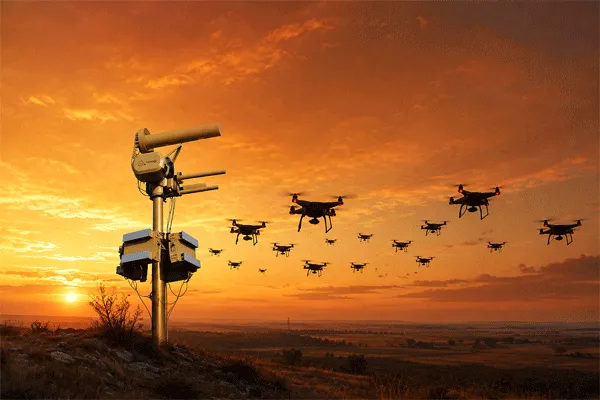
Một trong những kết luận quan trọng nhất từ các báo cáo xung quanh GridEx VIII là mối đe dọa từ drone không còn bị xem là mối quan ngại ngoại vi. Thay vào đó, chúng đang được đưa vào quy hoạch an ninh lưới điện chủ đạo cùng với các cuộc tấn công vật lý thông thường, phản ánh sự công nhận rộng rãi hơn rằng an ninh độ cao thấp gần cơ sở hạ tầng trọng yếu đã trở thành một lĩnh vực an ninh tác nghiệp độc lập.
Một thách thức chính được xác định trong báo cáo công khai là các nhóm an ninh cần phải phân biệt nhanh chóng và đáng tin cậy giữa một chiếc drone độc hại và một chiếc máy bay nghiệp dư vô hại. Sự phân biệt đó nghe có vẻ đơn giản về lý thuyết, nhưng trong các tình huống vận hành thực tế lại rất khó khăn, đặc biệt là tại các trạm biến áp nơi cây cối, công trình và thiết bị có thể cản trở tầm nhìn và nơi các nhà vận hành có thể đang quản lý nhiều nguồn cảm biến cùng lúc.
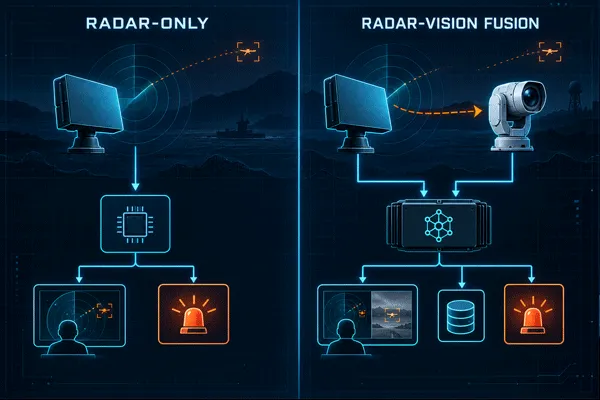
Vì vậy, trọng tâm của bài viết về kiến trúc phát hiện là rất có giá trị. Các cấu hình thử nghiệm được mô tả công khai kết hợp camera PTZ 360 độ với bốn bộ radar gắn trên một nền tảng; radar duy trì bám bắt khi drone đi phía sau vật cản, còn camera dùng để xác nhận trực quan. Cách bố trí này thể hiện logic của nhiều h? th?ng gi?m s?t t?m th?phi?n ??i: radar ph?t hi?n v? theo d?i, c?n h? th?ng quang h?c nh?n d?ng v? x?c minh.
GridEx VIII Chỉ Ra Tại Sao An Ninh Trạm Biến Áp Phải Đối Phó Cả Mối Đe Dọa Vật Lý Và Drone
Tại sao Trạm Biến Áp Cần Phát Hiện Radar-Thị Giác Có Cầu Chì
Trạm biến áp không có yêu cầu giám sát giống như sân bay hoặc khu vực biên giới. Chúng là các địa điểm cố định với vòng bảo vệ tương đối gọn gàng, nhưng thường chứa các vật thể gây rối mắt trực quan, các đường nhìn không đều và thiết bị quan trọng phải luôn sẵn sàng cho việc bảo trì và vận hành.
Điều đó có nghĩa là một hệ thống trạm biến áp drone-detection hiệu quả thường cần thực hiện tốt năm việc sau:
- Phát hiện các vật thể ở độ cao thấp gần chu vi.
- Duy trì tính liên tục của đường ray qua chướng ngại vật một phần.
- Giảm báo động sai từ chim hoặc mảnh vụn.
- Tích hợp với các hệ thống an ninh ranh giới hiện có.
- Duy trì khả năng triển khai kinh tế trên cơ sở tài sản lớn và đa dạng.
Trong nhiều trường hợp, phương án hợp nhất radar và thị giác đáp ứng các nhu cầu đó hiệu quả hơn thiết kế chỉ dùng một cảm biến. Radar có thể duy trì giám sát trong điều kiện camera mất tầm nhìn, trong khi các hệ thống quang học PTZ và đa phổ có thể cung cấp cho người vận hành bằng chứng hình ảnh cần thiết để phân loại mục tiêu và ra quyết định nhanh hơn. Tại các địa điểm coi trọng giám sát không người trực và tỷ lệ cảnh báo giả thấp, sự kết hợp này có thể hữu ích hơn đáng kể so với việc chỉ dùng một trong hai phương thức.
Logic tổng thể này cũng phù hợp với định hướng mà Midradar đã công bố về các hệ thống hợp nhất radar-thị giác và các hệ thống quan sát đa phổ. Trong các tình huống bảo vệ cơ sở hạ tầng, công ty mô tả radar là lớp phát hiện hoạt động trong mọi thời tiết và tải trọng quang học là lớp nhận dạng. Hai lớp được liên kết qua quy trình tự động chỉ thị mục tiêu, tạo thành vòng lặp phát hiện-và-nhận dạng liên tục.
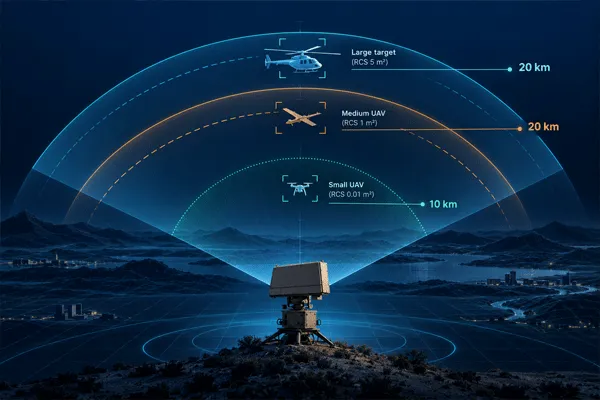
Đối với người mua đang đánh giá an ninh chống drone cho trạm biến áp, việc hiểu rõ diện tích phản xạ radar (RCS) trong phát hiện dronecũng rất quan trọng, bởi UAV nhỏ có thể tạo ra những thách thức phát hiện rất khác nhau tùy theo kích thước, vật liệu, góc bay và đặc trưng radar.
Bảo vệ chu vi
Cơ quan Quản lý và Phản ứng
GridEx VIII cũng nêu bật một vấn đề vượt ra ngoài hiệu năng phần cứng: thẩm quyền pháp lý. Các báo cáo công khai cho biết khuyến nghị chính của NERC kêu gọi các đối tác chính phủ Hoa Kỳ và Canada phối hợp với ngành để xác định các công nghệ chống drone được phép tiếp cận về mặt pháp lý, đồng thời làm rõ các hình thức hỗ trợ sẵn có từ chính phủ. Điều này cho thấy thẩm quyền ứng phó vẫn đang tiếp tục được hoàn thiện tại nhiều khu vực pháp lý.
Sự phân biệt đó quan trọng vì việc phát hiện một chiếc drone và hành động chống lại nó không phải là cùng một điều. Một công ty tiện ích có thể xác nhận rằng một máy bay không người lái đang hành xử đáng ngờ gần một trạm biến áp, nhưng quyền lực để gây nhiễu, vô hiệu hóa hoặc chặn máy bay đó có thể thuộc về các cơ quan thực thi pháp luật hoặc chính phủ thay vì công ty tiện ích đó. Do đó, các hệ thống phát hiện phải hỗ trợ không chỉ nhận thức, mà còn cả việc ghi chép, nâng cấp và phối hợp.
Trong các tình huống cần quy trình ứng phó được cấp thẩm quyền, hệ thống chống UAV tích hợp có thể kết nối phát hiện, xác minh hình ảnh, quản lý chỉ huy và các phương án ứng phó hợp pháp trong một kiến trúc an ninh hoàn chỉnh hơn.
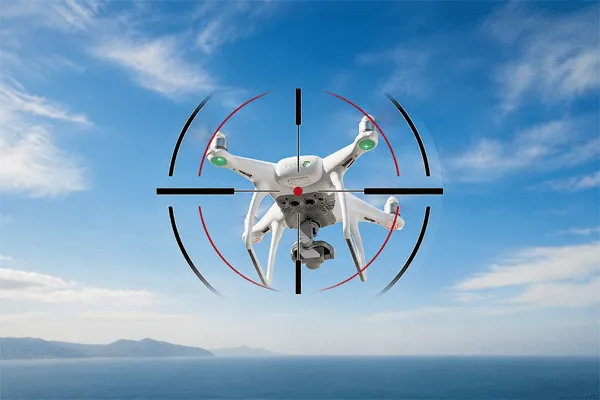
GridEx VIII Chỉ Ra Tại Sao An Ninh Trạm Biến Áp Phải Đối Phó Cả Mối Đe Dọa Vật Lý Và Drone
Tại sao điều này lại quan trọng đối với ngành điện
Đối với các công ty điện lực, giá trị của GridEx VIII nằm ít hơn ở chính bài tập mà ở việc liệu những bài học từ nó có được chuyển hóa thành những thay đổi thực tiễn hay không. Chỉ tham gia thôi không cải thiện được an ninh trừ khi các tiện ích sử dụng bài tập để cập nhật các quy trình, công nghệ và mô hình phối hợp.
Từ góc nhìn đó, an ninh trạm biến áp đang trở thành một vấn đề nhiều lớp. Xâm nhập mặt đất, phá hoại, phá hoại cố ý, hoạt động drone trái phép, và các giới hạn quy định xung quanh phản ứng counter-drone đều phải được xem xét cùng nhau thay vì tách biệt. Các công ty tiện ích coi việc phát hiện trên không tách biệt khỏi an ninh chu vi có thể thấy mình với sự nhận thức phân mảnh và thời gian phản ứng chậm hơn.
Đối với các nhà cung cấp và tích hợp hệ thống phục vụ thị trường này, cơ hội không chỉ là cung cấp một cảm biến, mà còn là hỗ trợ một kiến trúc khả thi cho nhận thức tại các khu vực thấp. Về mặt thực tiễn, điều đó có nghĩa là các hệ thống có thể phù hợp với phạm vi quy mô trạm biến áp, tích hợp với cơ sở hạ tầng an ninh hiện có, và giúp các nhà điều hành chuyển từ việc phát hiện sang hiểu biết tình huống xác thực với độ trễ tối thiểu.
Để đánh giá cách kết hợp radar, camera EO/IR, phát hiện độ cao thấp và quy trình ứng phó riêng theo địa điểm nhằm bảo vệ cơ sở hạ tầng trọng yếu, các đơn vị điện lực và nhà tích hợp an ninh có thể lien he doi ngu quoc te cua Midradar để trao đổi theo yêu cầu cụ thể của dự án.
Câu hỏi thường gặp
Liệu các cuộc tấn công vật lý vào lưới điện có thực sự đang gia tăng không?
Các vụ vi phạm an ninh vật lý được báo cáo đã đạt hơn 3.500 vụ vào năm 2025, tăng từ 2.800 vụ vào năm 2023. Các bình luận trong ngành cũng mô tả sự gia tăng rộng hơn về các sự cố trong thập kỷ qua, mặc dù không phải tất cả dữ liệu cơ bản đều công khai.
Liệu mối đe dọa GridEx VIII drone chỉ là giả định hay sao?
Không. Kịch bản bài tập là hư cấu, nhưng các báo cáo công khai cũng đã đề cập đến những vụ án hình sự thực tế liên quan đến các nỗ lực tấn công trạm biến áp và tài sản lưới điện, bao gồm một vụ liên quan đến drone chứa chất nổ. Đó là lý do tại sao rủi ro liên quan đến drone ngày càng được coi là một vấn đề vận hành đã được ghi nhận thay vì chỉ là mối quan ngại lý thuyết thuần túy.
Tại sao hợp nhất radar-vision lại liên quan đến các trạm biến áp?
Radar giúp duy trì bám ngay cả khi drone di chuyển ra ngoài đường ngắm trực tiếp của camera, trong khi các hệ thống quang học PTZ và đa phổ cung cấp xác minh hình ảnh. Sự kết hợp này hỗ trợ phát hiện và nhận dạng đáng tin cậy hơn trong môi trường trạm biến áp phức tạp.
Các tiện ích có thể phản ứng hợp pháp với drone thù địch một mình không?
Không phải lúc nào cũng vậy. Các khuyến nghị công khai theo GridEx VIII cho thấy vẫn cần làm rõ hơn về các công nghệ counter-drone có thể truy cập hợp pháp và về những hỗ trợ mà các đối tác chính phủ có thể cung cấp, điều này gợi ý rằng các tiện ích có thể không phải lúc nào cũng có thẩm quyền trực tiếp để tự thực hiện các biện pháp đối phó chủ động.


 11:28
11:28