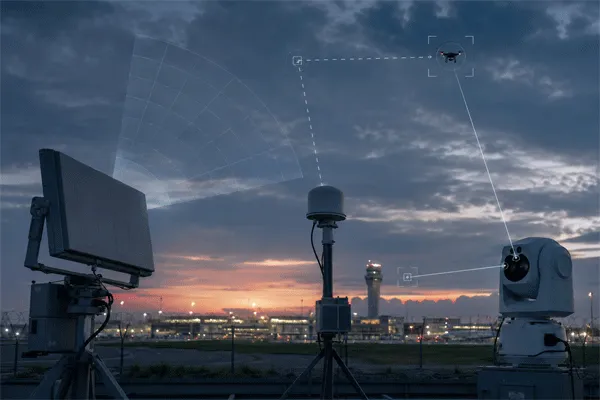
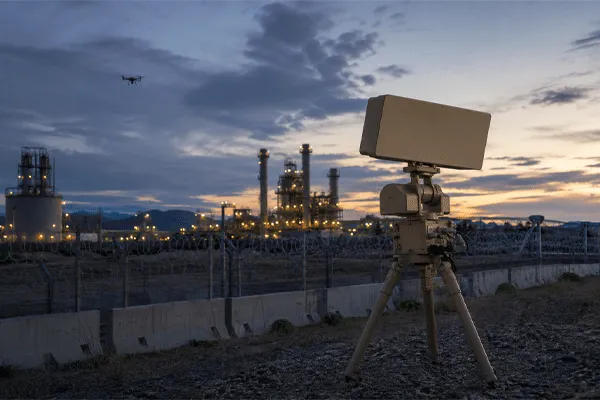
“Tầm phát hiện” trên bảng thông số được hiểu như thế nào?
Hầu hết các trang radar giám sát mặt đất đều dẫn đầu bằng một con số duy nhất, “lên đến 50 km,” mà không nói rõ con số đó đo cái gì. Điều này quan trọng, vì tầm xa không phải là một thuộc tính cố định của radar. Nó là một hàm của mục tiêu mặt cắt radar (RCS), chiều cao so với mặt đất của nó, tốc độ của nó và góc mà nó trình diện với ăng-ten.
Một người trưởng thành đứng hoặc đi bộ có RCS nhỏ. Xe cộ có RCS lớn hơn nhiều do phần lớn cấu tạo từ các tấm kim loại phẳng, phản xạ năng lượng hiệu quả trở lại ăng-ten. Thuyền nhỏ hoạt động trên mặt nước thoáng, xung quanh có ít nhiễu nền, vì vậy tầm phát hiện tàu thuyền thường tiếm cận giới hạn trên trong tầm danh định của radar, trong khi tầm phát hiện người nằm ở giới hạn dưới của cùng thiết bị.
Đây là cách hiểu sai phổ biến nhất khi đọc bảng thông số radar: coi “tầm tối đa” là một cam kết duy nhất áp dụng như nhau cho mọi loại mục tiêu. Thực tế không phải vậy. Một hệ thống có tầm danh định 25 km đối với xe cộ sẽ không thể phát hiện người đang bò ở khoảng cách 25 km; hai con số thuộc về các nhóm mục tiêu khác nhau trên cùng một bảng dữ liệu.
Dòng MR-RDG: Thông số radar giám sát mặt đất theo loại mục tiêu
| Loại mục tiêu |
Tầm phát hiện điển hình (dòng MR-RDG) |
Nguyên nhân tầm phát hiện thay đổi |
| Người trưởng thành đang đi bộ (nhân sự) |
2–15 km |
Diện tích phản xạ radar nhỏ; tầm phát hiện còn giảm thêm trong cỏ cao, cây trồng hoặc môi trường đô thị nhiều nhiễu |
| Phương tiện |
5–25 km |
Bề mặt kim loại lớn hơn cho tín hiệu phản xạ mạnh hơn ở khoảng cách xa |
| Tàu thuyền / thuyền nhỏ |
5–50 km |
Mặt nước thoáng có ít nhiễu nền hơn địa hình trên cạn |
Trên toàn bộ dòng radar của Midradar các hệ thống radar , bao gồm dòng RDG, dải vận hành trải từ -40°C đến +55°C, với cấp bảo vệ IP66/IP67 cho lắp đặt ngoài trời không cần người trực.
Tầm phát hiện người
Radar giám sát mặt đất dòng MR-RDG phát hiện một người trưởng thành đang đi bộ ở khoảng cách xấp xỉ 2–15 km. Giới hạn dưới của dải này thường áp dụng cho địa hình có nhiều thực vật hoặc nhiễu nền, còn giới hạn trên áp dụng cho địa hình bằng phẳng, thoáng đãng và có đường ngắm thông suốt.
Tầm phát hiện xe cộ
Tầm phát hiện xe cộ vào khoảng 5–25 km. Xe tải chở đầy hàng và xe máy có diện tích phản xạ radar rất khác nhau, vì vậy tầm phát hiện thực tế đối với từng loại xe sẽ nằm ở một vị trí trong dải này chứ không mặc định đạt giới hạn trên.
Tầm phát hiện tàu thuyền
Phát hiện tàu đạt băng tần rộng nhất, khoảng 5–50 km, vì vùng nước mở gây nhiễu nền ít hơn nhiều so với đất liền. thuyền cá nhỏ Việc lướt thấp trên mặt nước vẫn cho tín hiệu nhỏ hơn so với thân tàu lớn hơn, vì vậy cùng một radar có thể hiển thị khoảng cách khác biệt rõ rệt trên một hạm đội gồm các tàu có kích thước khác nhau.
Chính loạt sản phẩm này bao gồm sáu mẫu: MR-RDG03K, MR-RDG03-4R, MR-RDG06K, MR-RDG07K, MR-RDG20K, and MR-RDG50K. Midradar chưa công bố số liệu về khoảng cách cho từng mô hình riêng lẻ đối với từng loại mục tiêu; mức độ chi tiết đó được cung cấp thông qua bảng thông số dự án khi người mua xác định hỗn hợp mục tiêu và kế hoạch lắp đặt của họ, thay vì một con số tổng hợp duy nhất cho cả sáu đơn vị.
Hầu hết trang sản phẩm của nhà cung cấp chỉ công bố một con số “tầm tối đa” nổi bật cho toàn bộ dòng radar mặt đất. Việc tách riêng theo người, xe cộ và tàu thuyền như trong bảng trên giúp đội ngũ thu mua kiểm tra nhanh hơn xem một mẫu cụ thể có thực sự bao phủ được hồ sơ mối đe dọa hay không trước khi yêu cầu báo giá.
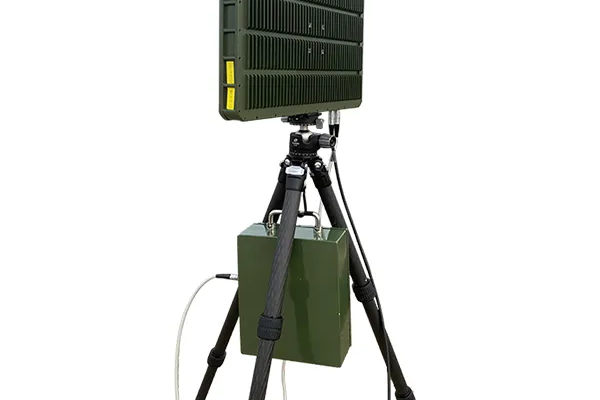
Radar giám sát mặt đất dòng MR-RDG để so sánh thông số phạm vi
Cách radar giám sát mặt đất phát hiện, phân loại và dẫn hướng phản ứng
- Quét khu vực rộng. Ăng-ten quét khu vực phủ sóng của nó bằng cách sử dụng một Kiến trúc AESA/DBF (mảng quét điện tử chủ động / định hình chùm tia kỹ thuật số), điều này điều khiển chùm tia điện tử thay vì quay toàn bộ ăng-ten một cách cơ học.
- Khử nhiễu nền. Bộ lọc thích nghi loại bỏ tín hiệu phản xạ từ cây cối, sóng, mưa và các chuyển động nền khác, qua đó tách riêng những tín hiệu có đặc tính của mục tiêu chuyển động thực.
- Tương quan bám trước khi phát hiện. Các tín hiệu phản xạ yếu hoặc di chuyển chậm được theo dõi qua nhiều vòng quét trước khi xác nhận là mục tiêu. Nhờ đó, radar có thể tách người đang bò hoặc thuyền di chuyển chậm khỏi nhiễu nền, thay vì loại bỏ tín hiệu đó như nhiễu chỉ sau một lần quét.
- Phân loại. Tốc độ, RCS và quy luật chuyển động được đưa vào thuật toán để ước tính loại mục tiêu: người, xe cộ, tàu thuyền hoặc drone.
- Dẫn hướng xoay Radar-EO theo chỉ thị mục tiêu. Trong một cấu hình hợp nhất radar-tầm nhìn, radar chuyển hướng và khoảng cách của mục tiêu cho một máy ảnh điện-quang, xoay về vị trí đó và khóa vào để xác nhận bằng mắt.
- Cảnh báo và ghi nhật ký nền tảng. Mục tiêu đã được xác nhận sẽ được gửi lên nền tảng chỉ huy kèm dấu thời gian, lịch sử quỹ đạo và nhãn phân loại để người vận hành xử lý.
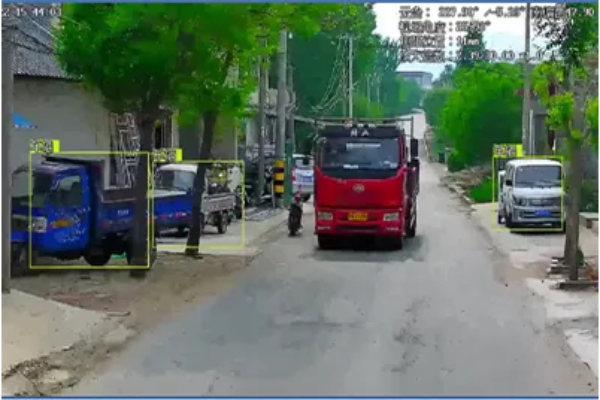
Quy trình phát hiện mục tiêu và theo dõi tự động của radar giám sát mặt đất
Kết nối radar với hệ sinh thái an ninh hiện có
Hệ thống có thể hỗ trợ các phương thức tích hợp video và nền tảng tiêu chuẩn như GB/T 28181, ONVIF, RTSP, RESTful APIs và SDKs khi kiến trúc dự án cho phép.
Điều này giúp khách hàng kết nối dữ liệu giám sát biên giới với VMS, PSIM, trung tâm chỉ huy hoặc nền tảng an ninh của bên thứ ba.
Trước khi yêu cầu báo giá, nên xác định radar cần gửi dữ liệu đến VMS, nền tảng chỉ huy-điều khiển, hệ thống kiểm soát ra vào hay nền tảng báo động nào. Chi tiết này quyết định hồ sơ giao thức cần cấu hình trước khi giao hàng và giúp rút ngắn quá trình trao đổi qua lại khi chạy thử, nghiệm thu.
5 yếu tố âm thầm làm giảm tầm phát hiện thực tế
Tầm tối đa danh định mô tả radar trong điều kiện gần lý tưởng. Tại hiện trường thực tế, nhiều yếu tố sẽ khiến tầm hoạt động thấp hơn con số này, ngay cả khi bản thân radar chưa phải là yếu tố giới hạn.
- Che khuất đường ngắm. Radar mặt đất không thể nhìn xuyên qua địa hình. Sống núi, tòa nhà hoặc bờ đất nằm giữa ăng-ten và mục tiêu sẽ làm mất hoàn toàn tín hiệu phản xạ, bất kể bảng thông số ghi gì.
- Thực vật và nhiễu mặt đất. Cỏ cao, cây trồng hoặc bụi rậm lay động trong gió tạo ra tín hiệu phản xạ cạnh tranh với tín hiệu của người di chuyển chậm. Đây là lý do chính khiến tầm phát hiện người ở địa hình nhiều thực vật thường nằm gần giới hạn dưới thay vì giới hạn trên của dải danh định.
- Mưa lớn và sương mù ở các băng tần cao hơn. Độ suy hao tín hiệu tăng theo tần số, do đó một hệ thống được tinh chỉnh cho độ phân giải cao hơn có thể mất một phần tầm hoạt động hiệu dụng trong thời gian mưa lớn kéo dài.
- Chiều cao lắp đặt và góc lướt. Radar lắp quá thấp sẽ phát chùm tia sát mặt đất ở góc nông, làm suy yếu tín hiệu phản xạ từ các mục tiêu có biên dạng thấp từ rất lâu trước khi đạt đến tầm danh định.
- Độ rộng khu vực quét so với thời gian quét lại. Quét một khu vực rộng trong mỗi chu kỳ đồng nghĩa mỗi mục tiêu được “quan sát” ít lần hơn trong một phút so với khi quét khu vực hẹp. Logic bám trước khi phát hiện bù đắp cho điều này, nhưng mục tiêu chậm hoặc nhỏ vẫn có thể cần thêm vài chu kỳ quét để đạt độ tin cậy phân loại đầy đủ.
Không yếu tố nào trong số này khiến radar mặt đất trở nên kém tin cậy; đó là cùng các quy luật vật lý mà mọi cảm biến mặt đất băng X hoặc băng Ku trên thị trường đều phải xử lý. Điều đó có nghĩa là khảo sát hiện trường, chứ không chỉ bảng dữ liệu, mới quyết định bán kính bao phủ thực tế cho một chu vi cụ thể.
Radar giám sát mặt đất được triển khai ở đâu
Đường biên giới, đường bờ biển, chu vi sân bay, các cảng và các khu vực hạ tầng quan trọng đều có một ràng buộc chung: những biên giới dài mà chỉ dùng mật độ camera là quá tốn kém để bao phủ, cả ngày lẫn đêm, trong mọi điều kiện thời tiết. Các hệ thống tập trung vào radar của Midradar hiện đang được triển khai tại hơn 50 quốc gia và bảo vệ hơn 1.000 km của biên giới và bờ biển. Các hệ thống này thường ghép nối radar giám sát mặt đất với camera quang-điện trong một hợp nhất radar-thị giác cùng một lớp nền tảng quản lý cảnh báo, nhờ đó quá trình phát hiện (radar) và xác minh hình ảnh (camera) diễn ra trong một quy trình thống nhất thay vì hai hệ thống riêng lẻ mà người vận hành phải đối chiếu thủ công.
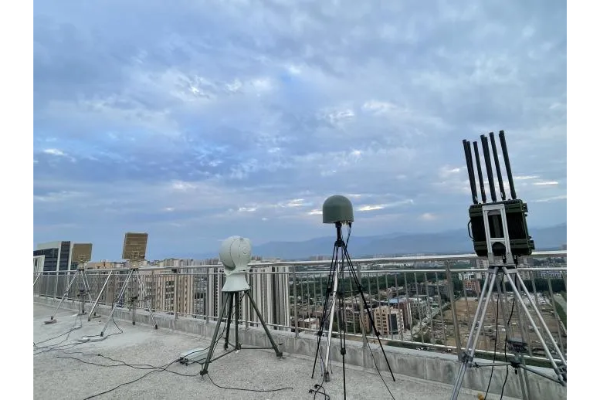
Triển khai radar giám sát mặt đất để theo dõi biên giới và khu vực xung quanh
Chi phí của radar giám sát mặt đất
Midradar không công bố bảng giá cho dòng RDG vì một lý do hợp lý: danh mục vật tư thay đổi theo tầm phát hiện yêu cầu, hạ tầng lắp đặt, số trạm hợp nhất radar-EO, phạm vi tích hợp giao thức và thời hạn hợp đồng hỗ trợ. Hai hệ thống cùng mã sản phẩm vẫn có thể có tổng chi phí khác nhau sau khi tính thêm công việc lắp đặt và tích hợp theo từng hiện trường. Giá được báo theo dự án thay vì theo từng thiết bị trong danh mục. Yêu cầu báo giá nêu rõ cự ly mục tiêu, loại mối đe dọa chủ đạo (người đi bộ, xe cộ hoặc tàu thuyền) và mô tả địa hình sẽ cho ra con số hữu ích, không phải một yêu cầu giá chung chung.
Câu hỏi thường gặp
Tầm phát hiện điển hình của radar giám sát mặt đất là bao nhiêu?
Tầm phát hiện phụ thuộc vào loại mục tiêu, không thể biểu thị bằng một con số duy nhất. Với dòng MR-RDG của Midradar, tầm phát hiện xấp xỉ 2–15 km đối với người, 5–25 km đối với xe cộ và 5–50 km đối với tàu thuyền.
Radar giám sát mặt đất có thể phát hiện người đang bò hoặc nằm không?
Có, nhưng ở tầm ngắn hơn rõ rệt so với người trưởng thành đang đứng hoặc đi bộ, do cơ thể nằm sấp có diện tích phản xạ radar nhỏ hơn nhiều. Các địa điểm cần riêng năng lực này thường kết hợp mẫu tầm ngắn, độ phân giải cao với hợp nhất radar-EO để xác minh hình ảnh, thay vì chỉ dựa vào một thiết bị tầm xa.
Mưa hoặc sương mù có làm giảm tầm phát hiện không?
Có. Mưa lớn và sương mù làm suy hao tín hiệu radar, và ảnh hưởng mạnh hơn ở các băng tần cao. Khử nhiễu thích nghi giúp giảm cảnh báo giả do chuyển động bị thời tiết tác động, nhưng không thể triệt tiêu hoàn toàn phần tầm phát hiện bị suy giảm.
Radar giám sát mặt đất có thay thế camera an ninh không?
Không. Radar thay đổi cách camera được sử dụng. Radar đảm nhiệm phát hiện liên tục trên diện rộng; camera (khả kiến, nhiệt hoặc cả hai) được chỉ thị xoay đến phương vị mục tiêu để nhận dạng hình ảnh và thu thập bằng chứng, thay vì tự quét khu đất trống suốt ngày đêm.
Radar giám sát mặt đất được định giá như thế nào?
Theo từng dự án, không theo giá niêm yết trong danh mục. Tầm mục tiêu, địa hình, số lượng trạm hợp nhất và phạm vi tích hợp đều ảnh hưởng đến tổng chi phí. Hãy yêu cầu báo giá kèm hồ sơ hiện trường thay vì xin một bảng giá chung.
Bước tiếp theo để đánh giá giải pháp cho một chu vi cụ thể: một hồ sơ hiện trường ngắn gọn, gồm chiều dài ranh giới ước tính, loại mục tiêu chủ đạo và địa hình, thường đã đủ để đội ngũ kỹ thuật Midradar đề xuất phân khúc mẫu RDG và chỉ ra các vấn đề về đường ngắm hoặc nhiễu nền trước khi lên lịch khảo sát tại chỗ.


 10:29
10:29