Giới thiệu
Khi lần đầu tiếp cận công nghệ chống trinh sát, người lập kế hoạch an ninh thường theo bản năng sẽ hỏi: “Hệ thống nào phát hiện xa hơn?” Tuy nhiên, tầm phát hiện hiếm khi là yếu tố quyết định giữa phương án cố định và gắn trên xe. Câu hỏi thực sự là: “Mối đe dọa ở đâu, và bạn sẽ ở đâu khi cần ứng phó?”
Hệ thống chống trinh sát cố định và gắn trên xe dùng chung công nghệ cốt lõi: thăm dò laser chủ động, phát hiện hiệu ứng mắt mèo, bao phủ quét 360° và chế áp gây chói 530 nm. Khác biệt nằm ở mọi yếu tố xung quanh năng lực cốt lõi này: cách triển khai hệ thống, tốc độ tái bố trí và những bối cảnh tác nghiệp mà hệ thống xử lý tốt hoặc kém.
Ưu thế của hệ thống cố định
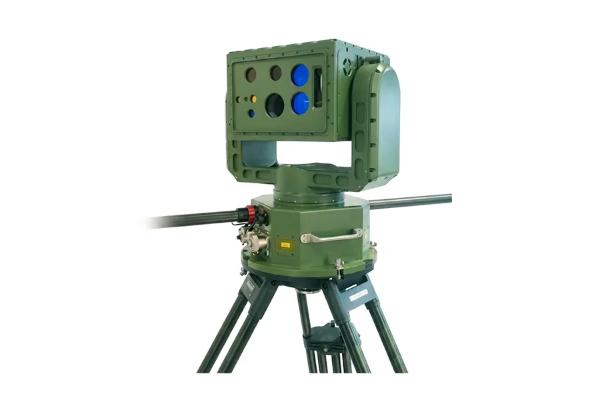
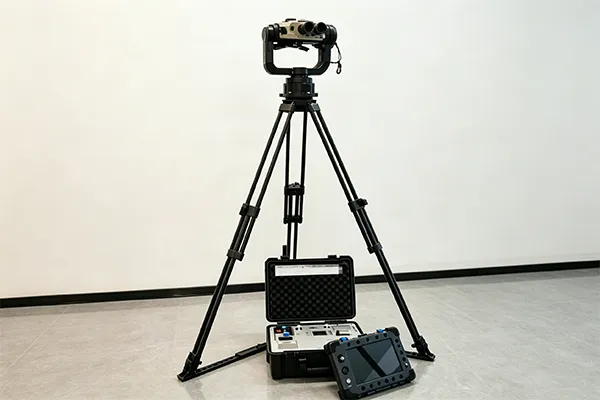
Một hệ thống chống trinh sát cố định như FinderPro-X được thiết kế cho một mục đích: cung cấp khả năng bao phủ tầm xa, liên tục, không người trực cho một khu vực bảo vệ xác định từ một điểm lắp đặt ổn định.
Lợi thế của nền tảng là độ ổn định. Giá lắp cố định loại bỏ rung động do xe gây ra và độ bất định về vị trí vốn ảnh hưởng đến hệ thống di động, cho phép cụm cảm biến hoạt động với độ nhạy tối đa và độ chính xác định vị địa lý cao (tốt hơn 20 m ở cự ly 1 km). Kết hợp với khả năng nối mạng nhiều thiết bị vào một bức tranh chỉ huy chung, hệ thống cố định là lựa chọn mặc định cho bảo vệ cơ sở lâu dài.
Hệ thống cố định phù hợp nhất khi:
- Tài sản cần bảo vệ là cố định: căn cứ quân sự, khu phức hợp chính phủ hoặc địa điểm tổ chức sự kiện
- Mối đe dọa đến từ bên ngoài một chu vi xác định có thể khảo sát trước
- Cần vận hành không người trực 24/7 mà không phải bố trí người vận hành chuyên trách theo từng ca
- có thể nối mạng nhiều thiết bị để tạo vùng phủ chồng lấn cho một vành đai phức tạp
- Tầm phát hiện là ưu tiên (lên đến 2.000 m so với 1.000 m của hệ thống gắn trên xe)
Hạn chế của hệ thống cố định rất rõ ràng: nó không thể đi theo tài sản khi tài sản di chuyển. Một quan chức cấp cao được hệ thống cố định bảo vệ tại khu nhà của mình sẽ mất lớp bảo vệ ngay khi đoàn xe rời đi.
Ưu thế của hệ thống cố định
Ưu thế của hệ thống gắn trên xe
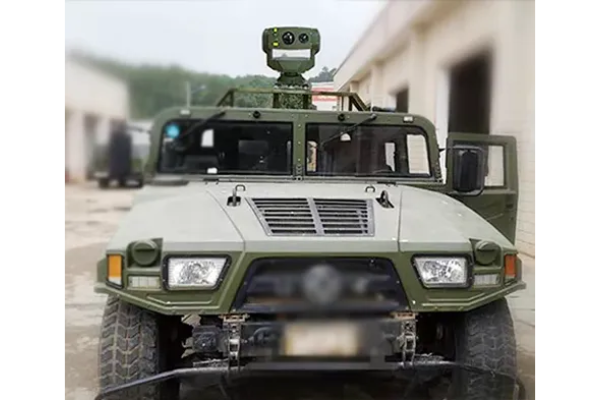
Cái FinderPro-M được thiết kế xoay quanh một yêu cầu tác nghiệp khác về căn bản: duy trì năng lực chống trinh sát trong khi tài sản được bảo vệ đang di chuyển.
Hoạt động ở tốc độ trên 80 km/h, FinderPro-M liên tục quét toàn bộ cung 360° xung quanh nền tảng xe đang di chuyển, phát hiện, định vị địa lý và chế áp các mối đe dọa quang học dọc tuyến đường theo thời gian thực. Vùng bao phủ không bị gián đoạn trong quá trình di chuyển, không có điểm mù khi rẽ và không có khoảng trống giữa các vùng bảo vệ cố định.
Hệ thống gắn trên xe phù hợp nhất khi:
- Tài sản được bảo vệ đang di chuyển - đoàn xe VIP, hoạt động đoàn xe, nền tảng chỉ huy cơ động
- Các tuyến di chuyển trong đô thị khiến nhân vật được bảo vệ đối mặt với nhiều vị trí quan sát tiềm tàng không thể được bảo đảm an ninh vật lý từ trước
- Cần triển khai nhanh: hệ thống di chuyển cùng phương tiện và không cần chuẩn bị hiện trường
- Mối đe dọa có tính cơ động: người quan sát của đối phương có thể thay đổi vị trí dọc tuyến đường thay vì ở một địa điểm cố định
Sự đánh đổi nằm ở tầm phát hiện: FinderPro-M bao phủ người quan sát ở cự ly lên đến 1.000 m (so với 2.000 m của FinderPro-X), đồng thời nền tảng di động làm phát sinh biến động chu kỳ quét mà hệ thống cố định không gặp phải.
Ưu thế của hệ thống gắn trên xe
Phương án tích hợp cho những kịch bản bảo vệ khắt khe nhất
Những kịch bản bảo vệ khắt khe nhất không phải là “cố định hoặc di động”, mà là “cố định và di động”. Ví dụ, một chuyến thăm cấp nhà nước cần hệ thống cố định bao phủ địa điểm đón tiếp và khu lưu trú, cùng hệ thống gắn trên xe cho mọi chặng di chuyển giữa các địa điểm. Một chỉ huy quân sự cần vùng bao phủ cố định tại sở chỉ huy và vùng bao phủ gắn trên xe khi di chuyển giữa các căn cứ.
Trong các kịch bản này, hai loại nền tảng bổ trợ trực tiếp cho nhau:
- Hệ thống cố định thiết lập vùng bảo vệ tại các địa điểm cố định đã biết
- Hệ thống gắn trên xe duy trì vùng bảo vệ đó trong quá trình di chuyển giữa các điểm cố định
- Hệ thống cầm tay (FinderPro-P) cung cấp khả năng bao phủ cho đội tiền trạm và bảo vệ tiếp cận tại các điểm dừng ngoài kế hoạch hoặc địa điểm phụ
Để xem một ví dụ thực tế về cách phương án tích hợp này hoạt động trong một dự án triển khai thực, hãy xem nghiên cứu tình huống bảo vệ hội nghị thượng đỉnh chính phủ.
Khung ra quyết định
| Tiêu chí |
Cố định (FinderPro-X) |
Gắn trên xe (FinderPro-M) |
| Khả năng di chuyển của tài sản |
Cố định |
Di chuyển |
| Tầm phát hiện tối đa |
2,000 m |
1,000 m |
| Tốc độ vận hành |
— (cố định) |
≥80 km/h |
| Thời gian triển khai |
Vài giờ (cần chuẩn bị hiện trường) |
Vài phút (lắp trên xe) |
| Vận hành không người trực |
Có, 24/7 |
Cần kíp xe |
| Triển khai theo mạng |
Có (nhiều thiết bị) |
Không áp dụng |
| Tình huống sử dụng chính |
Chu vi cơ sở, địa điểm tổ chức sự kiện |
Đoàn xe, đoàn hộ tống, tuần tra |
Nếu mối quan tâm chính là tài sản cố định, chẳng hạn như tòa nhà, chu vi hoặc địa điểm, hãy bắt đầu với hệ thống cố định. Nếu mối quan tâm chính là người hoặc tài sản đang di chuyển, hệ thống gắn trên xe là nền tảng phù hợp. Nếu cả hai trường hợp đều áp dụng, bạn cần cả hai hệ thống.
Khám phá đầy đủ dải hệ thống
Cái Danh mục hệ thống chống trinh sát so sánh cả năm biến thể FinderPro - cố định, gắn trên xe, cầm tay, đa phổ, và trong nhà - theo phạm vi phát hiện, thời gian triển khai và hồ sơ nhiệm vụ.
Khám phá An ninh công cộng & Chống khủng bố về cách chống trinh sát tích hợp với radar, camera EO/IR, và hệ thống răn đe âm thanh trong một kiến trúc an ninh công cộng hoàn chỉnh.














 09:31
09:31