Introducción
Cuando un responsable de seguridad conoce por primera vez la tecnología de contrarreconocimiento, suele preguntar: «¿Qué sistema detecta a mayor distancia?». Sin embargo, el alcance rara vez es el factor decisivo entre una solución fija y otra embarcada en un vehículo. La verdadera pregunta es: «¿Dónde está la amenaza y dónde estará usted cuando tenga que responder?»
Los sistemas de contrarreconocimiento fijos y embarcados en vehículos comparten la misma tecnología básica: sondeo láser activo, detección del efecto ojo de gato, cobertura de barrido de 360° y supresión del deslumbramiento a 530 nm. La diferencia reside en cómo se despliega el sistema, la rapidez con la que puede reposicionarse y los contextos operativos que gestiona mejor o peor.
Qué mejor hacen los sistemas fijos
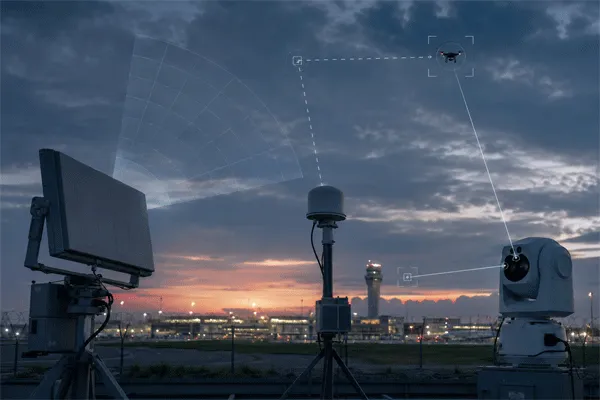
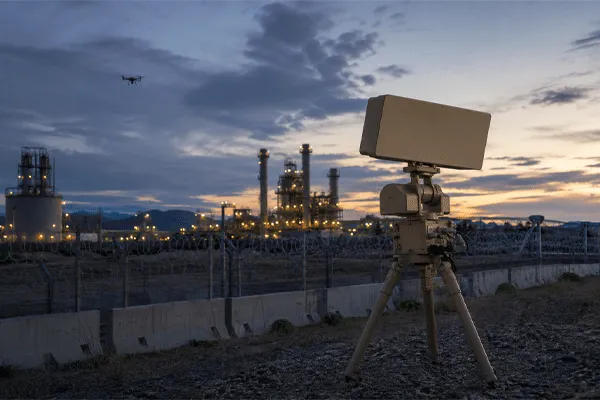
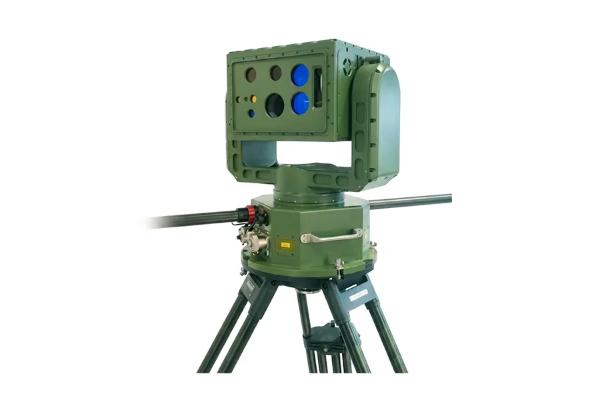
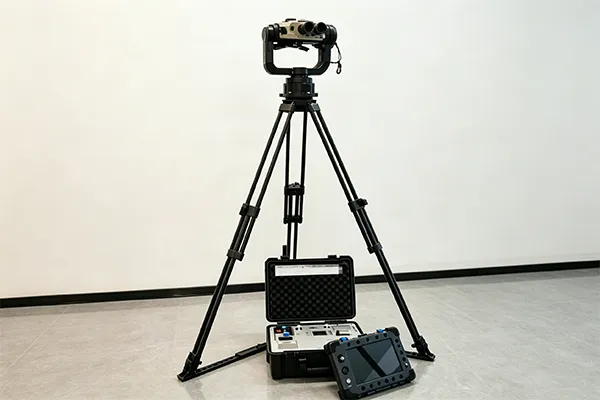
Un sistema fijo de contrarreconocimiento como el FinderPro-X está diseñado para un solo propósito: proporcionar cobertura continua, sin supervisión y a largo alcance de una zona de protección definida desde un punto de instalación estable.
La ventaja de la plataforma es la estabilidad. Un soporte fijo elimina la vibración inducida por el vehículo y la incertidumbre posicional que afectan a los sistemas móviles, permitiendo que el conjunto de sensores funcione con máxima sensibilidad y precisión geolocalizativa (mejor de 20 m a 1 km). Combinado con la capacidad de conectar varias unidades en una imagen de mando compartida, los sistemas fijos son la opción predeterminada para la protección permanente de la instalación.
Los sistemas fijos funcionan mejor cuando:
- El activo protegido es estacionario: una base militar, un complejo gubernamental, un lugar para eventos
- La amenaza proviene de fuera de un perímetro definido que puede ser pre-inspeccionado
- Se requiere funcionamiento sin supervisión 24/7, sin operadores dedicados por turno
- Se pueden conectar varias unidades en red para proporcionar una cobertura superpuesta en perímetros complejos
- El alcance de detección es prioritario (hasta 2,000 m, frente a 1,000 m en el sistema embarcado)
La limitación de un sistema fijo es evidente: no puede seguir al activo cuando se mueve. Un alto funcionario protegido por un sistema fijo en su complejo queda desprotegido en el momento en que su convoy sale.
Qué mejor hacen los sistemas fijos
Ventajas de los sistemas embarcados en vehículos
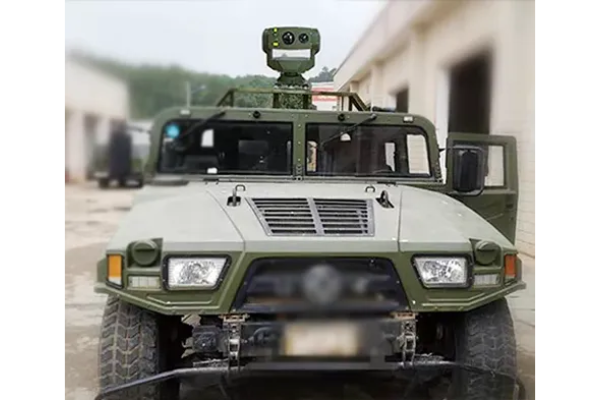
la FinderPro-M está diseñado en torno a un requisito operativo fundamentalmente diferente: mantener la capacidad de contrarreconocimiento mientras el activo protegido está en movimiento.
A velocidades superiores a 80 km/h, FinderPro-M barre continuamente los 360° alrededor del vehículo en movimiento, detectando, geolocalizando y neutralizando amenazas ópticas a lo largo de la ruta en tiempo real. No se interrumpe la cobertura durante el trayecto, no aparece un punto ciego en los giros y no quedan huecos entre las zonas protegidas por instalaciones fijas.
Los sistemas montados en vehículos funcionan mejor cuando:
- El activo protegido está en movimiento - caravanas VIP, operaciones de convoy, plataformas de mando móviles
- Las rutas de transporte urbano exponen al principal a múltiples puntos de observación potenciales que no pueden asegurarse físicamente de antemano
- Se requiere un despliegue rápido: el sistema se desplaza con el vehículo y no necesita preparación en el lugar
- La amenaza es dinámica: los observadores adversarios pueden reposicionarse a lo largo de la ruta en lugar de ocupar una ubicación fija
El compromiso es el alcance de detección: el FinderPro-M cubre observadores de hasta 1.000 m (frente a 2.000 m del FinderPro-X), y la plataforma móvil introduce una variabilidad en el ciclo de barrido que las instalaciones fijas evitan.
Ventajas de los sistemas embarcados en vehículos
El enfoque integrado: los escenarios de protección más exigentes
Los escenarios de protección más exigentes no son “fijos o móviles” — son “fijos y móviles”. Una visita de Estado, por ejemplo, requiere cobertura fija del sistema en el lugar de llegada y en el complejo de alojamiento, además de cobertura montada en vehículos para cada tramo de transporte entre ellos. Un comandante militar requiere cobertura fija en su cuartel general y cobertura montada en vehículos al desplazarse entre bases.
En estos escenarios, los dos tipos de plataformas se complementan directamente:
- Los sistemas fijos establecen el envolvente de protección en ubicaciones conocidas y estáticas
- Los sistemas montados en vehículos mantienen esa envolvente durante el tránsito entre puntos fijos
- Sistemas portátiles (FinderPro-P) proporcionar cobertura de equipo avanzado y protección cercana en paradas no planificadas o ubicaciones secundarias
Para un ejemplo práctico de cómo funcionaba este enfoque integrado en un despliegue real, véase el Estudio de caso de protección de cumbres gubernamentales.
Marco de decisión
| Criterios |
Fijo (FinderPro-X) |
Montado en vehículo (FinderPro-M) |
| Movilidad de activos |
Estacionario |
Mudanza |
| Alcance máximo de detección |
2.000 m |
1.000 m |
| Velocidad operativa |
— (estática) |
≥80 km/h |
| Tiempo de despliegue |
Horas (preparación del sitio requerida) |
Actas (instalado por vehículo) |
| Operación sin supervisión |
Sí, 24/7 |
Requiere tripulación del vehículo |
| Despliegue en red |
Sí (multiunidad) |
No aplicable |
| Caso de uso principal |
Perímetro de la instalación, sede del evento |
Caravana, convoy, patrulla |
Si el activo principal es fijo —un edificio, un perímetro o un recinto—, el sistema fijo es el punto de partida. Si se protege a una persona o un activo en tránsito, la base adecuada es el sistema embarcado en vehículo. Cuando se dan ambas necesidades, se requieren ambas plataformas.
Consulte toda la gama de sistemas
la Catálogo de Sistemas Anti-Reconocimiento compara las cinco variantes FinderPro - fija, montada en vehículo, portátil, multiespectral, e interior - según el alcance de detección, el tiempo de despliegue y el perfil de misión.
Visite la Página de soluciones de Seguridad Pública y Contraterrorismo para mostrar cómo la capacidad contra reconocimiento se integra con el radar, cámara EO/IR, y con sistemas de disuasión acústica en una arquitectura completa de seguridad pública.



 09:31
09:31