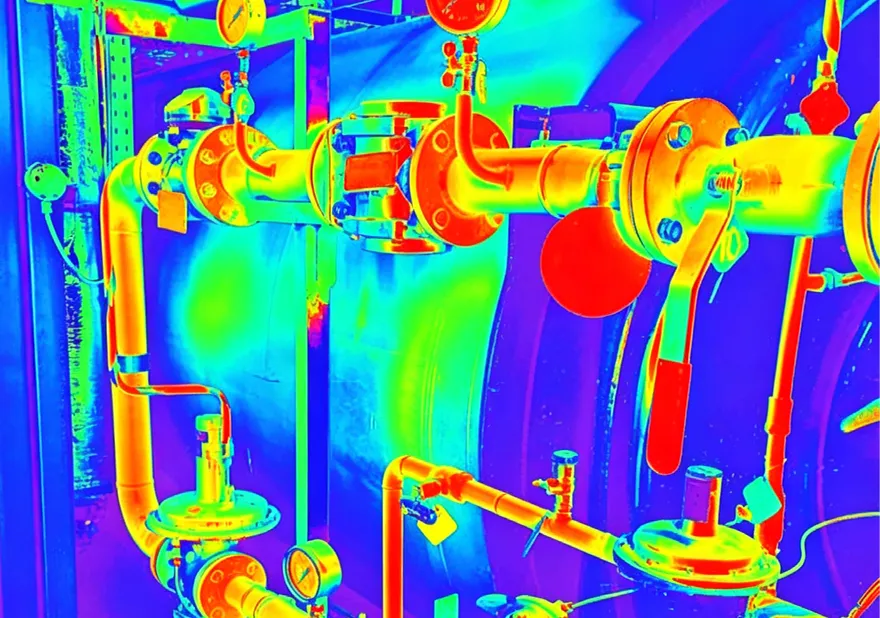
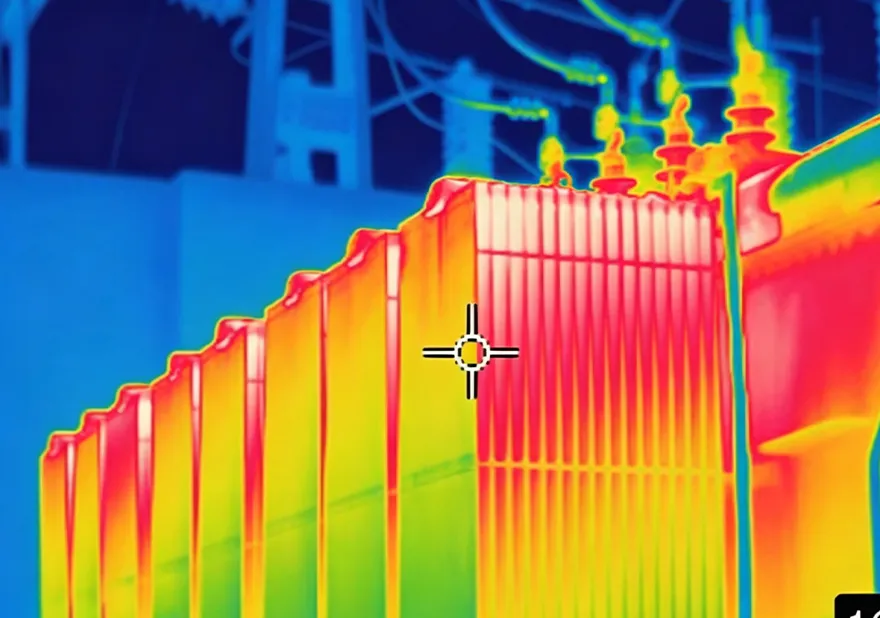
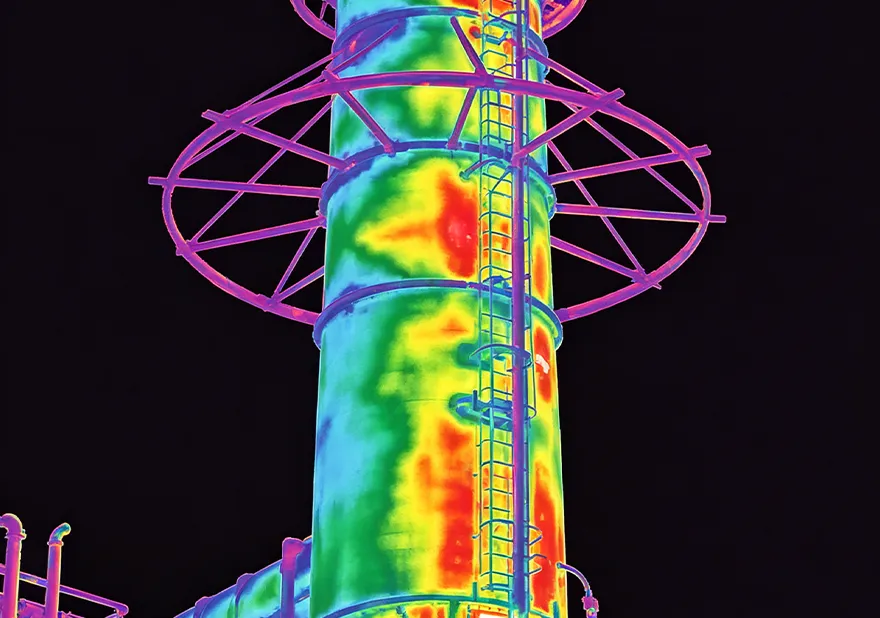
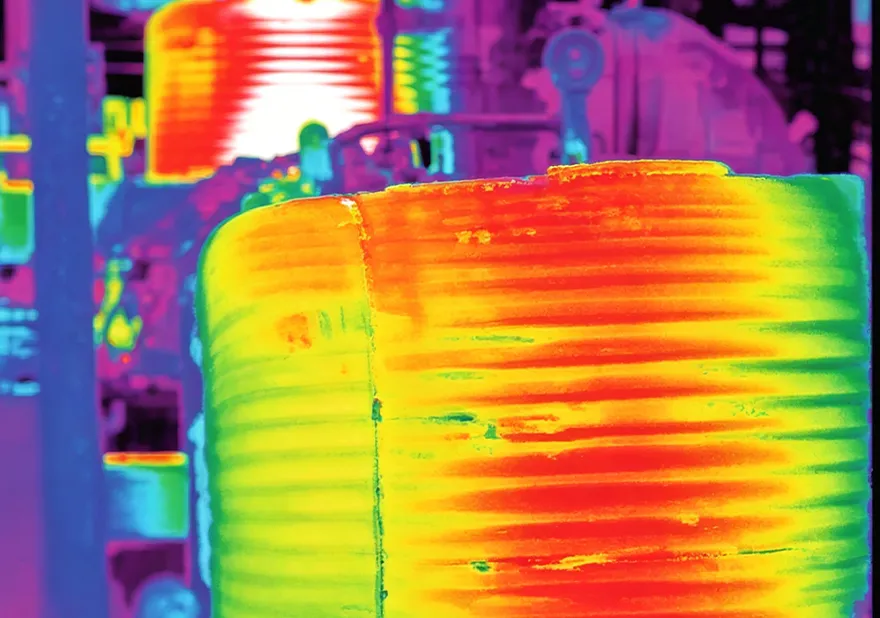
Early Temperature Abnormality Detection
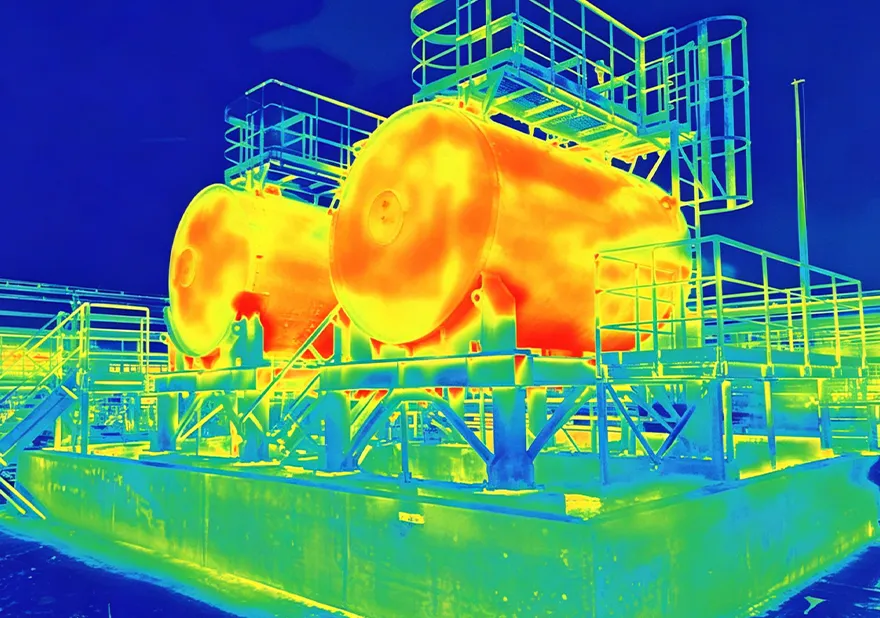
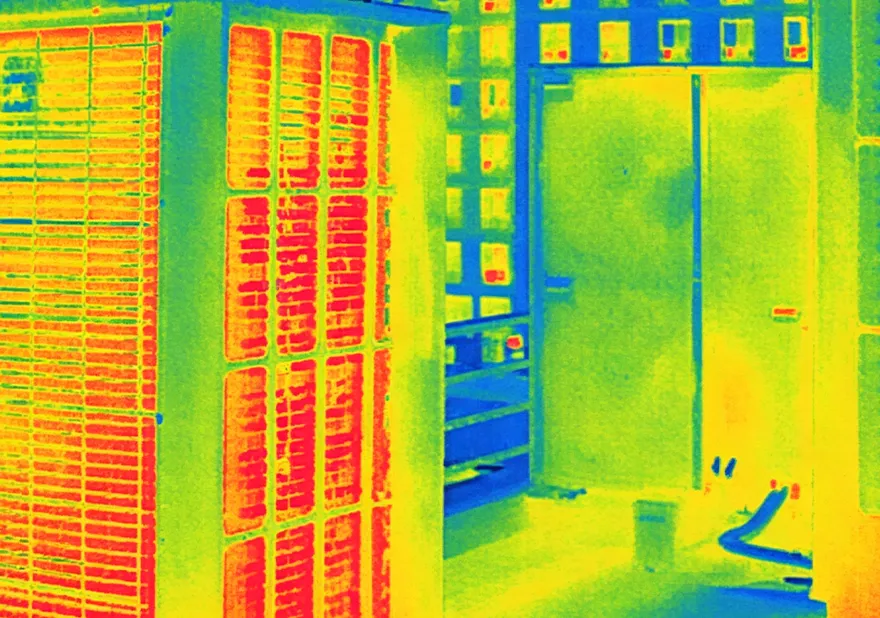
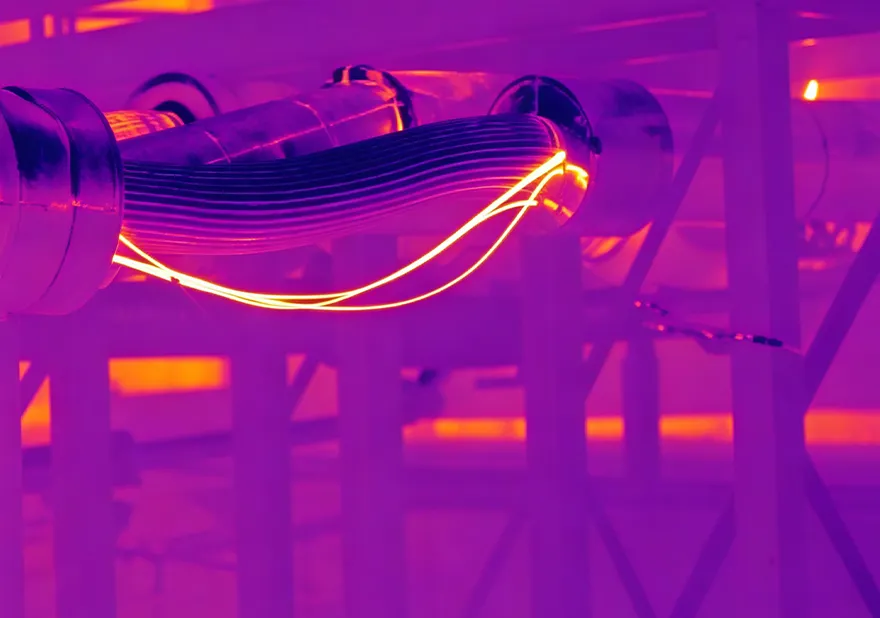
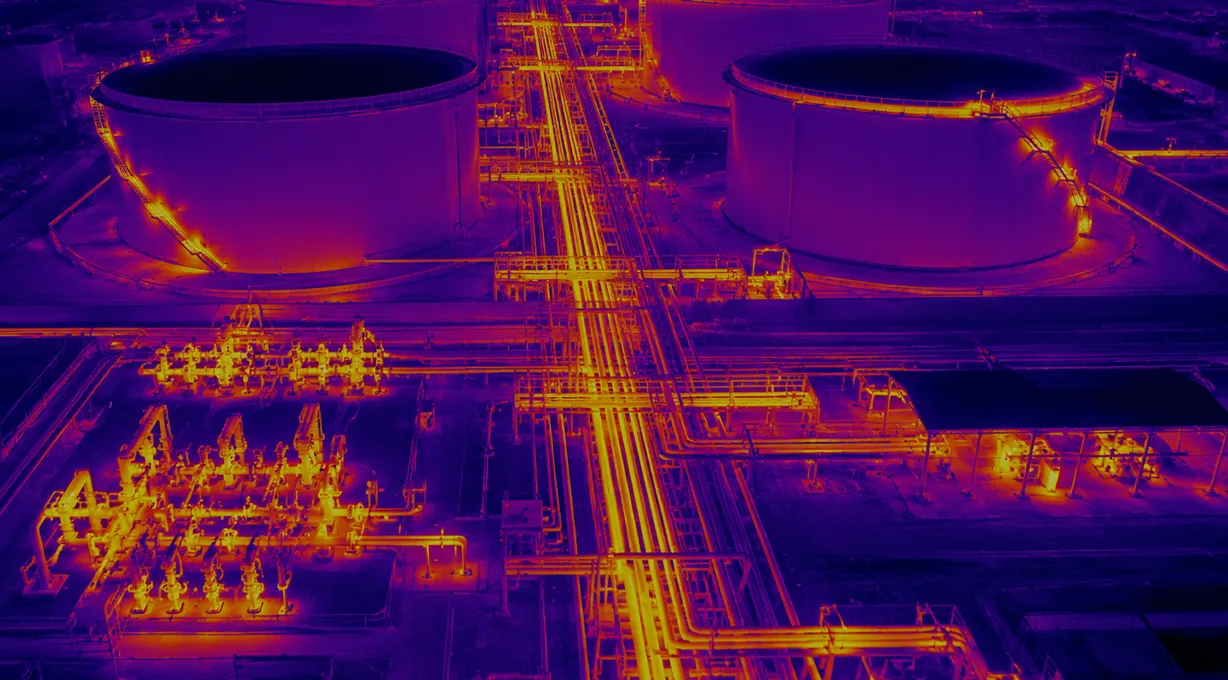
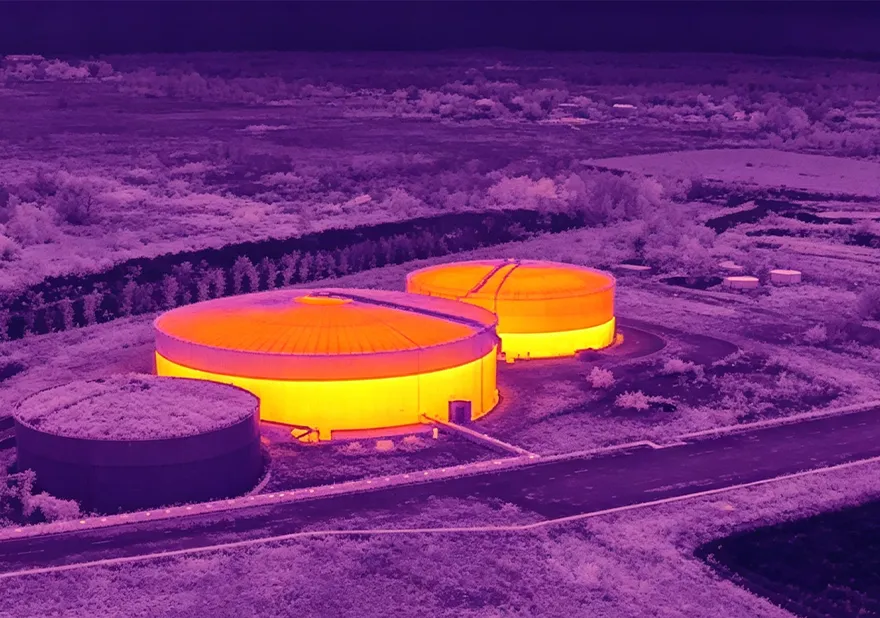
In petrochemical facilities, many early-stage equipment failures appear first as abnormal temperature changes. Thermal imaging helps identify thermal patterns before visible failure occurs.
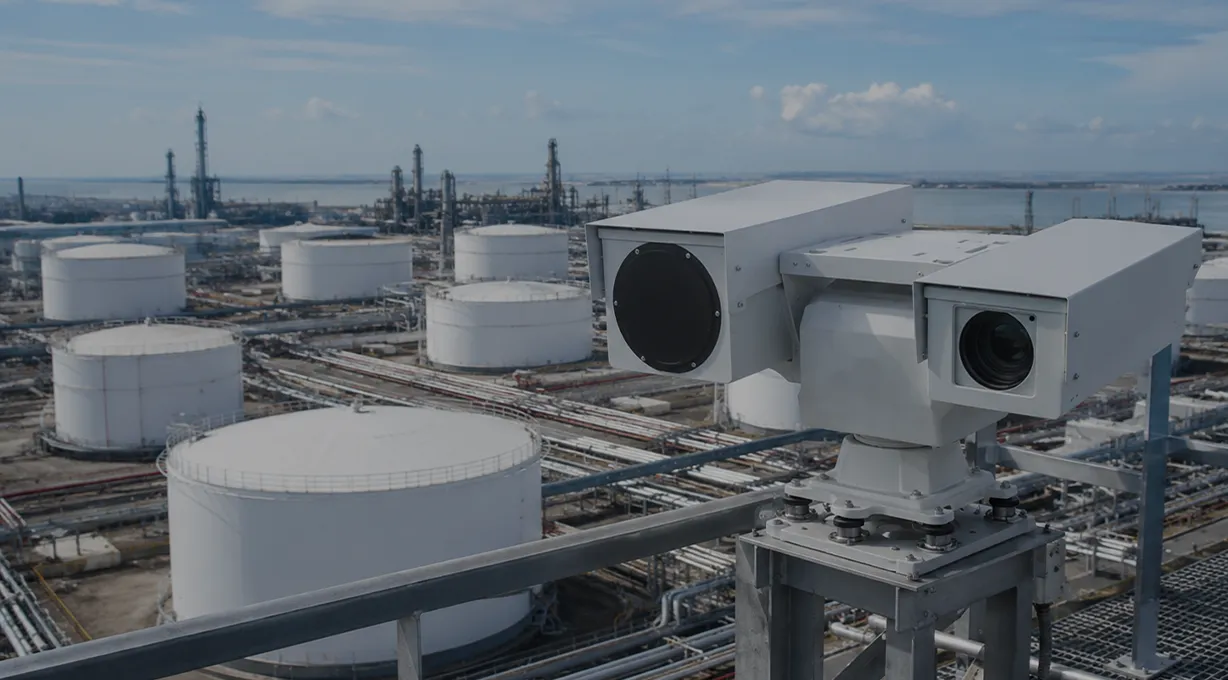
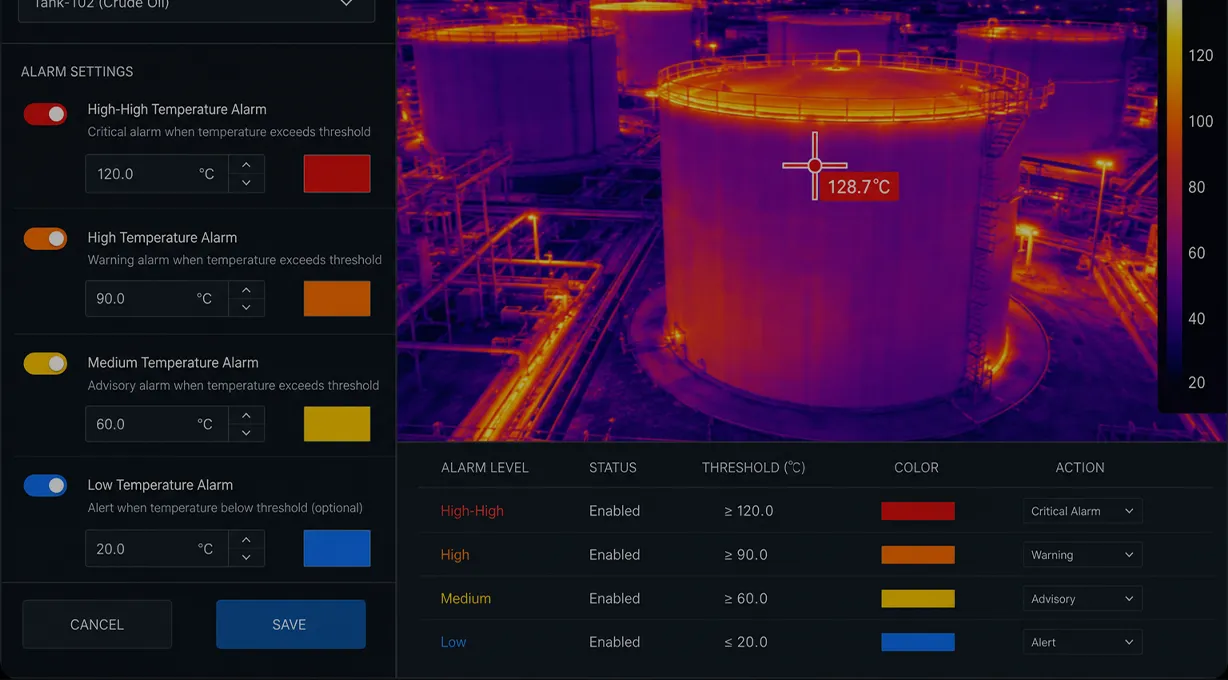
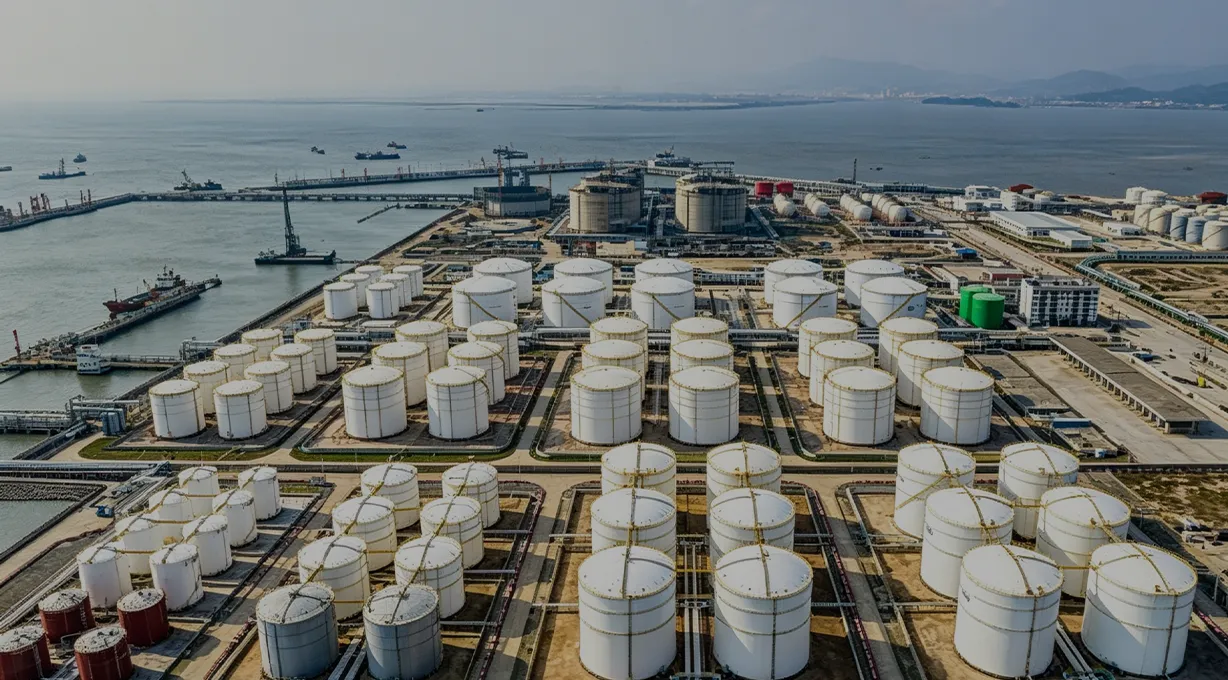
Refineries, chemical plants, tank farms, and gas storage sites often operate with high temperature, high pressure, corrosive media, and continuous production. Manual inspection may be limited by safety restrictions, patrol frequency, and visibility conditions.
Portable thermal inspection is valuable, but it is intermittent and may not provide continuous trend data. Online infrared monitoring helps operators observe equipment temperature and compare historical trends.
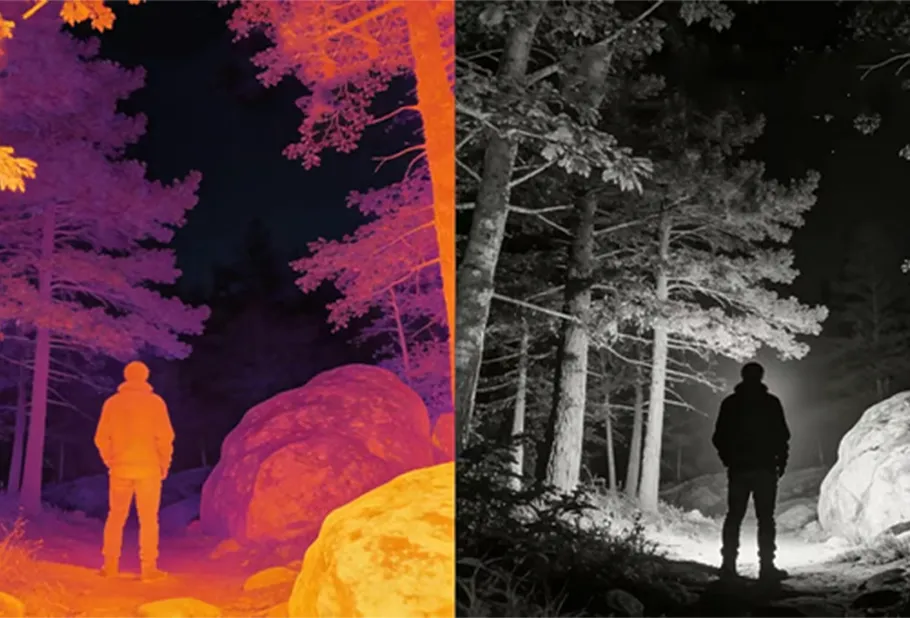
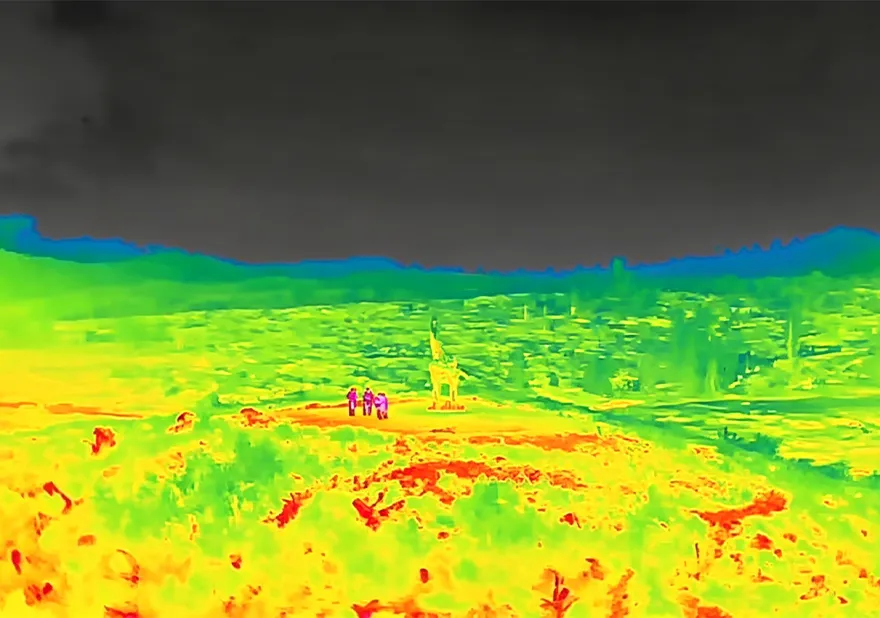
Infrared monitoring supports night surveillance in yards, docks, pipe corridors, and unmanned hazardous areas, helping operators respond to abnormal thermal events earlier.
Nuestra solución combina múltiples tecnologías de imagen para ofrecer una imagen clara, detallada y procesable de su entorno, sin importar las condiciones de iluminación o clima.
Thermal cameras patrol preset monitoring points and continuously capture thermal image data from key equipment areas.
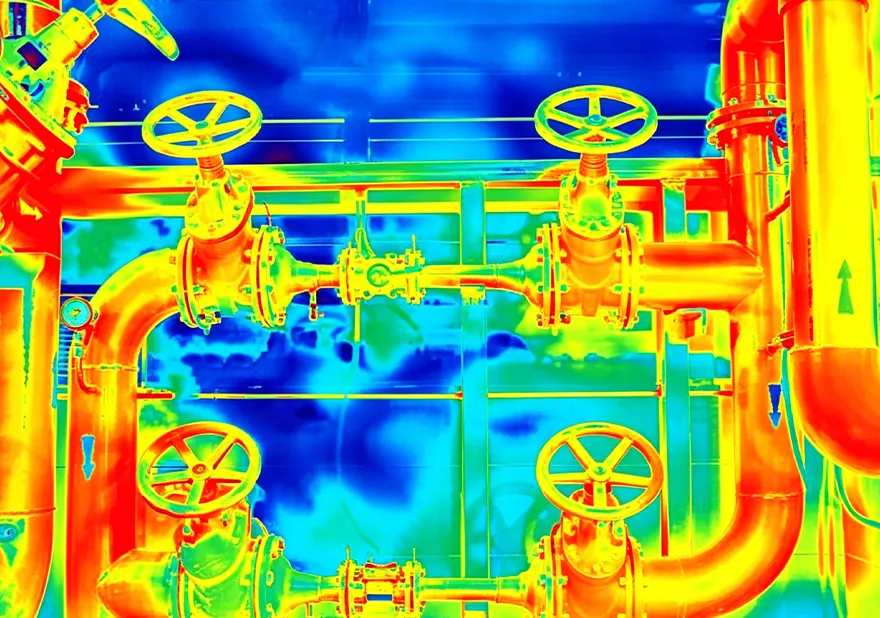
The system records temperature data and thermal images for monitored equipment, pipelines, tanks, valves, or outdoor hazardous areas.
When a hot spot, threshold violation, or regional temperature abnormality is detected, the platform automatically triggers an alarm rule.
Visible-light images are linked to the alarm event, helping operators verify the actual scene and confirm whether the abnormal condition is valid.
Operators check thermal images, visible-light video, and related temperature data to confirm whether maintenance or safety action is required.
If confirmed, alarm records, thermal images, and video are stored, and operators notify the maintenance or safety team.
If not confirmed, thresholds, emissivity settings, or patrol rules can be adjusted for better future accuracy.
The solution helps operators identify abnormal temperature conditions earlier and convert thermal events into traceable maintenance or safety workflows.
Infrared thermal monitoring is suitable for equipment and areas where abnormal heat, leakage risk or night visibility limitations affect safety.
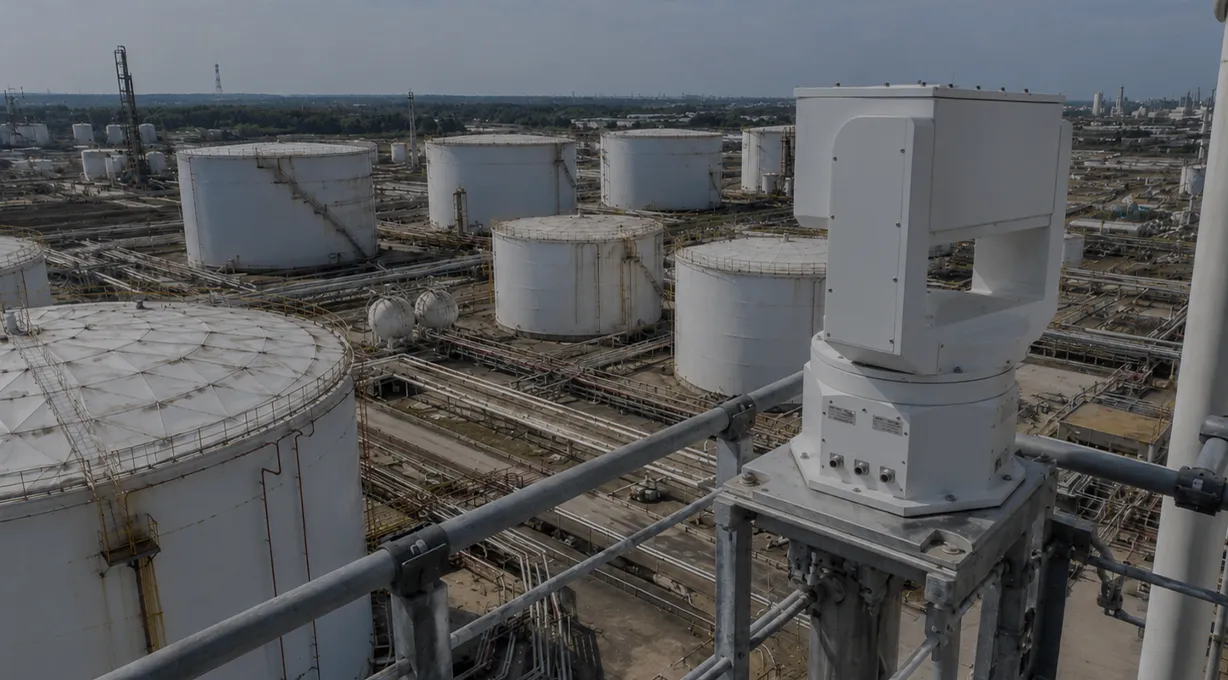
For large tank farms, place thermal cameras at elevated locations with clear views of tank accessories, valve groups and pipeline corridors.
Use PTZ preset patrol for multi-point inspection when one camera must cover several tanks.
Use fixed thermal cameras for critical equipment that requires continuous monitoring.
Alarm thresholds should be configured by equipment type and operating condition.
For hazardous zones, use certified explosion-proof devices only when certification matches the site’s classification requirements
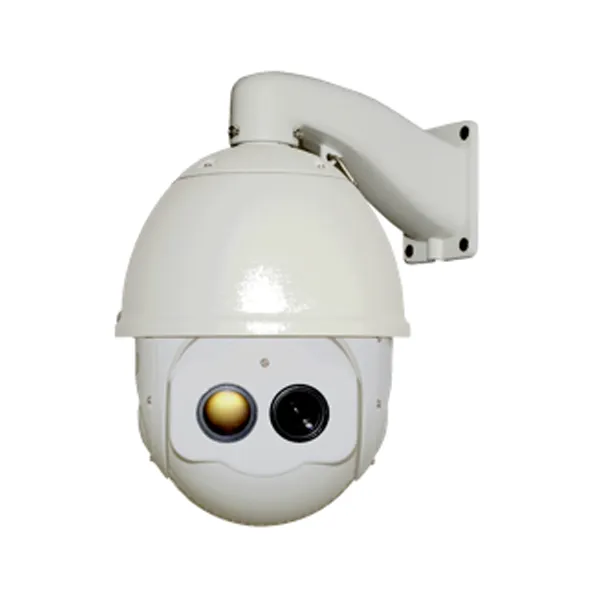
Cámara domo láser de alta velocidad diseñada para la vigilancia nocturna de respuesta rápida, que combina imágenes con zoom integrado, iluminación láser sincronizada y movimiento PT de alta velocidad para aplicaciones de seguridad y patrulla.
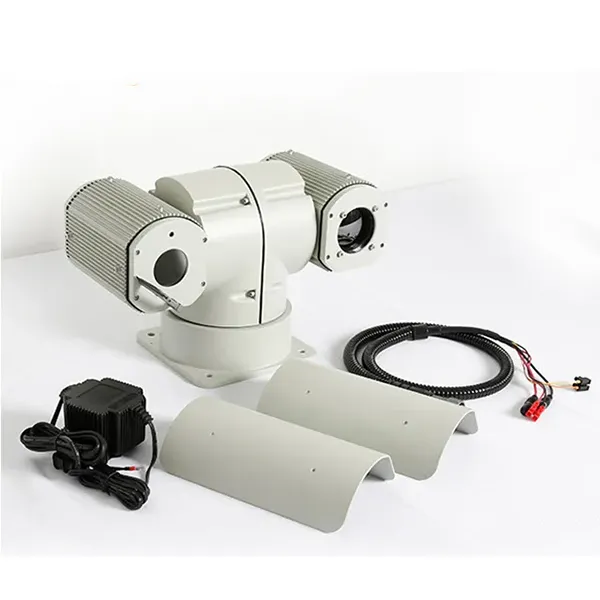
Una plataforma compacta de vigilancia PTZ multi-sensor que combina imagen visible HD, conciencia asistida térmica y control preciso de paneo e inclinación para monitoreo fronterizo, urbano, ferroviario y de sitios críticos.
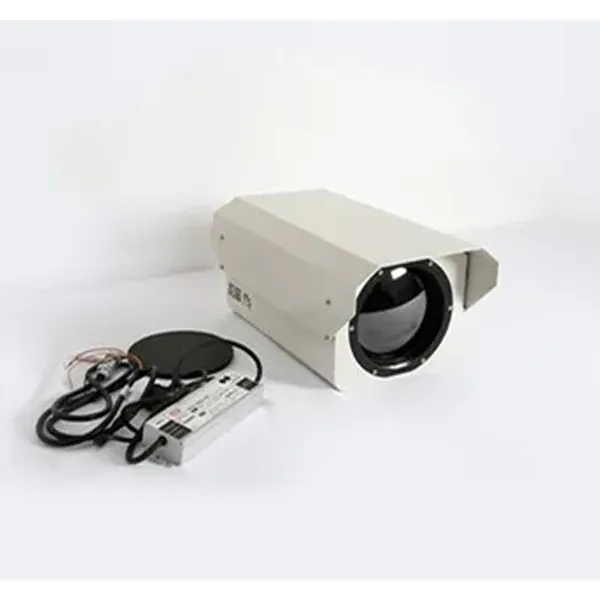
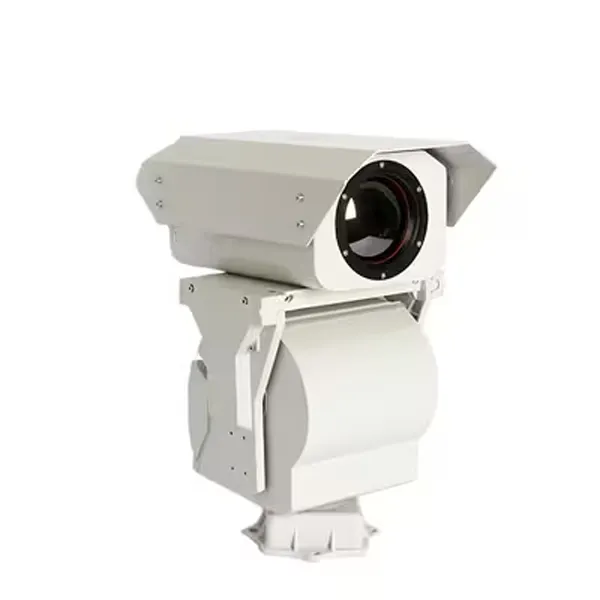
Diseñada para la vigilancia de largo alcance en exteriores, esta serie de cámaras termográficas PTZ combina imágenes infrarrojas no refrigeradas, zoom motorizado y protección IP66 robusta para una supervisión continua en entornos complejos.
La MR-TC6105-S está diseñada para una vigilancia estable de día y de noche, combinando imágenes infrarrojas no refrigeradas, protección robusta para exteriores y capacidad PTZ opcional para la vigilancia de seguridad en entornos exigentes.
Infrared thermal surveillance visualizes temperature distribution using thermal radiation imaging.** It helps detect hot spots, abnormal temperature rise and equipment overheating without physical contact.
Thermal imaging detects equipment failure by identifying abnormal heat patterns.** Many mechanical, electrical and insulation-related problems create temperature changes before visible damage occurs.
Yes. Infrared thermal cameras can work in total darkness.** They detect infrared radiation rather than visible light, although image quality and measurement accuracy can still be affected by rain, fog, obstruction, reflective surfaces and calibration conditions.
Infrared thermography can monitor tanks, pipelines, valves, flanges, rotating equipment and electrical assets.** It is useful where abnormal temperature may indicate risk, degradation or inefficient operation.
Yes. Thermal imaging is suitable for petrochemical plants when hazardous-area classification and operating conditions are addressed.** Explosion-proof models should be used in classified hazardous zones when required.
Infrared monitoring supports predictive maintenance by tracking temperature trends over time.** Operators can compare current thermal patterns with historical data, identify abnormal changes and plan inspection or maintenance before failure escalates.
Yes. Thermal cameras can monitor oil tanks at night because they detect infrared radiation rather than visible light.** Measurement performance still depends on target conditions, calibration, weather and viewing angle.
Request an infrared surveillance design to receive camera placement recommendations, alarm strategy suggestions and model-specific configuration for tank farms, storage tanks, valve groups, pump areas, pipe corridors and outdoor hazardous zones.
Le responderemos en un plazo de 24 horas. Si para el caso urgente, por favor agregue WhatsApp/WeChat: +86 15954290051,. O llame directamente al +86 15964215221.
*Respetamos su confidencialidad y toda la información está protegida.
Sólo utilizaremos sus datos para responder a su consulta y nunca le enviaremos correos electrónicos o mensajes promocionales no solicitados.