Giải pháp an ninh tích hợp chuyên dụng, hỗ trợ giám sát liên tục, đánh giá rủi ro và phản ứng vận hành hiệu quả.
| Giải pháp an ninh tích hợp chuyên dụng, hỗ trợ giám sát liên tục, đánh giá rủi ro và phản ứng vận hành hiệu quả. |
Giải pháp radar và quang điện tích hợp cho an ninh chu vi, giám sát công nghiệp và bảo vệ hạ tầng trọng yếu. |
| Giải pháp an ninh tích hợp chuyên dụng, hỗ trợ giám sát liên tục, đánh giá rủi ro và phản ứng vận hành hiệu quả. |
Giải pháp radar và quang điện tích hợp cho an ninh chu vi, giám sát công nghiệp và bảo vệ hạ tầng trọng yếu. |
| Môi trường |
Giải pháp radar và quang điện tích hợp cho an ninh chu vi, giám sát công nghiệp và bảo vệ hạ tầng trọng yếu. |
| Giải pháp an ninh tích hợp chuyên dụng, hỗ trợ giám sát liên tục, đánh giá rủi ro và phản ứng vận hành hiệu quả. |
Giải pháp C-UAS tích hợp để phát hiện, theo dõi, nhận dạng, đánh giá mối đe dọa và ứng phó với UAV theo quy trình được cấp quyền. |
| Giải pháp an ninh tích hợp chuyên dụng, hỗ trợ giám sát liên tục, đánh giá rủi ro và phản ứng vận hành hiệu quả. |
Giải pháp C-UAS tích hợp để phát hiện, theo dõi, nhận dạng, đánh giá mối đe dọa và ứng phó với UAV theo quy trình được cấp quyền. |
| Giải pháp giám sát radar-quang điện tích hợp, hỗ trợ phát hiện, theo dõi, xác minh và phản ứng an ninh theo thời gian thực. |
3 bộ Radar Giám sát Tầm thấp MR-RDT20K |
| Giải pháp giám sát radar-quang điện tích hợp, hỗ trợ phát hiện, theo dõi, xác minh và phản ứng an ninh theo thời gian thực. |
9 bộ Camera Nhiệt PTZ Tầm xa MR-HTVC12035-2132 |
| Giải pháp an ninh tích hợp chuyên dụng, hỗ trợ giám sát liên tục, đánh giá rủi ro và phản ứng vận hành hiệu quả. |
Nền tảng quản lý vành đai hợp nhất radar-video - phân vùng hàng rào ảo, theo dõi đa mục tiêu, phân cấp mối đe dọa, liên kết tự động EO/IR, ghi bằng chứng cảnh báo |
| Giải pháp an ninh tích hợp chuyên dụng, hỗ trợ giám sát liên tục, đánh giá rủi ro và phản ứng vận hành hiệu quả. |
Giải pháp an ninh tích hợp chuyên dụng, hỗ trợ giám sát liên tục, đánh giá rủi ro và phản ứng vận hành hiệu quả. |
| Kết quả triển khai |
Giải pháp C-UAS tích hợp để phát hiện, theo dõi, nhận dạng, đánh giá mối đe dọa và ứng phó với UAV theo quy trình được cấp quyền. |
Giải pháp an ninh tích hợp chuyên dụng, hỗ trợ giám sát liên tục, đánh giá rủi ro và phản ứng vận hành hiệu quả.
Giải pháp radar và quang điện tích hợp cho an ninh chu vi, giám sát công nghiệp và bảo vệ hạ tầng trọng yếu. Giải pháp giám sát radar-quang điện tích hợp, hỗ trợ phát hiện, theo dõi, xác minh và phản ứng an ninh theo thời gian thực. Giải pháp radar và quang điện tích hợp cho an ninh chu vi, giám sát công nghiệp và bảo vệ hạ tầng trọng yếu.
Giải pháp radar và quang điện tích hợp cho an ninh chu vi, giám sát công nghiệp và bảo vệ hạ tầng trọng yếu.
Giải pháp an ninh tích hợp chuyên dụng, hỗ trợ giám sát liên tục, đánh giá rủi ro và phản ứng vận hành hiệu quả.
- Giải pháp giám sát ảnh nhiệt công nghiệp, hỗ trợ theo dõi nhiệt độ, xác minh trực quan, cảnh báo sớm và xử lý sự kiện.
- Giải pháp an ninh tích hợp chuyên dụng, hỗ trợ giám sát liên tục, đánh giá rủi ro và phản ứng vận hành hiệu quả.
- Giải pháp C-UAS tích hợp để phát hiện, theo dõi, nhận dạng, đánh giá mối đe dọa và ứng phó với UAV theo quy trình được cấp quyền.Giải pháp an ninh tích hợp chuyên dụng, hỗ trợ giám sát liên tục, đánh giá rủi ro và phản ứng vận hành hiệu quả.
Giải pháp an ninh tích hợp chuyên dụng, hỗ trợ giám sát liên tục, đánh giá rủi ro và phản ứng vận hành hiệu quả.
Giải pháp an ninh tích hợp chuyên dụng, hỗ trợ giám sát liên tục, đánh giá rủi ro và phản ứng vận hành hiệu quả.
Giải pháp giám sát radar-quang điện tích hợp, hỗ trợ phát hiện, theo dõi, xác minh và phản ứng an ninh theo thời gian thực. Giải pháp giám sát radar-quang điện tích hợp, hỗ trợ phát hiện, theo dõi, xác minh và phản ứng an ninh theo thời gian thực.:
| Giải pháp an ninh tích hợp chuyên dụng, hỗ trợ giám sát liên tục, đánh giá rủi ro và phản ứng vận hành hiệu quả. |
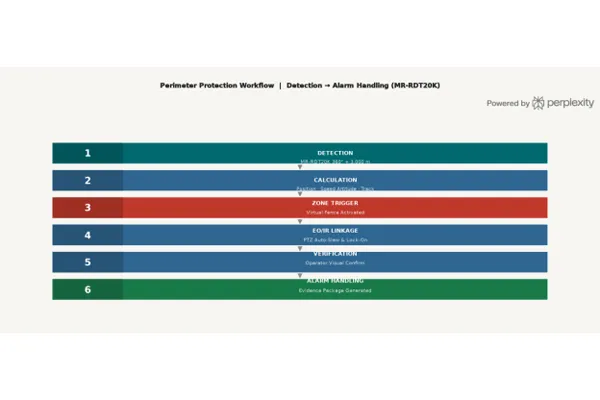
Radar MR-RDT20K quét liên tục toàn bộ phương vị 360° và độ cao tới 3,000 m, đồng thời giám sát các mục tiêu mặt đất và không phận tầm thấp. |
| Giải pháp an ninh tích hợp chuyên dụng, hỗ trợ giám sát liên tục, đánh giá rủi ro và phản ứng vận hành hiệu quả. |
Giải pháp an ninh tích hợp chuyên dụng, hỗ trợ giám sát liên tục, đánh giá rủi ro và phản ứng vận hành hiệu quả. |
| Giải pháp an ninh tích hợp chuyên dụng, hỗ trợ giám sát liên tục, đánh giá rủi ro và phản ứng vận hành hiệu quả. |
Giải pháp C-UAS tích hợp để phát hiện, theo dõi, nhận dạng, đánh giá mối đe dọa và ứng phó với UAV theo quy trình được cấp quyền. |
| 4 - LIÊN KẾT EO/IR |
Camera nhiệt PTZ MR-HTVC12035-2132 gần nhất tự động quay tới tọa độ của mục tiêu và bắt đầu theo dõi. |
| Giải pháp an ninh tích hợp chuyên dụng, hỗ trợ giám sát liên tục, đánh giá rủi ro và phản ứng vận hành hiệu quả. |
Giải pháp giám sát ảnh nhiệt công nghiệp, hỗ trợ theo dõi nhiệt độ, xác minh trực quan, cảnh báo sớm và xử lý sự kiện. |
| Giải pháp an ninh tích hợp chuyên dụng, hỗ trợ giám sát liên tục, đánh giá rủi ro và phản ứng vận hành hiệu quả. |
Giải pháp giám sát radar-quang điện tích hợp, hỗ trợ phát hiện, theo dõi, xác minh và phản ứng an ninh theo thời gian thực. |
Giải pháp an ninh tích hợp chuyên dụng, hỗ trợ giám sát liên tục, đánh giá rủi ro và phản ứng vận hành hiệu quả.
Radar Giám sát Tầm thấp MR-RDT20K
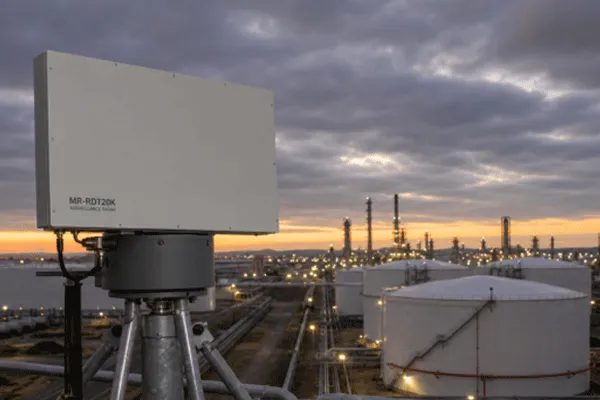
Ba radar giám sát tầm thấp MR-RDT20K cung cấp khả năng phát hiện 360° liên tục đối với cả đối tượng xâm nhập ở mặt đất và mục tiêu trên không tầm thấp trên toàn bộ vành đai cũng như các khu vực hạn chế bên trong. MR-RDT20K được lựa chọn vì ba lý do cụ thể của địa điểm:
Giải pháp radar và quang điện tích hợp cho an ninh chu vi, giám sát công nghiệp và bảo vệ hạ tầng trọng yếu.
Giải pháp C-UAS tích hợp để phát hiện, theo dõi, nhận dạng, đánh giá mối đe dọa và ứng phó với UAV theo quy trình được cấp quyền.
Giải pháp radar và quang điện tích hợp cho an ninh chu vi, giám sát công nghiệp và bảo vệ hạ tầng trọng yếu.
Thông số kỹ thuật chính - MR-RDT20K:
| Giải pháp an ninh tích hợp chuyên dụng, hỗ trợ giám sát liên tục, đánh giá rủi ro và phản ứng vận hành hiệu quả. |
Giải pháp an ninh tích hợp chuyên dụng, hỗ trợ giám sát liên tục, đánh giá rủi ro và phản ứng vận hành hiệu quả. |
| Giải pháp an ninh tích hợp chuyên dụng, hỗ trợ giám sát liên tục, đánh giá rủi ro và phản ứng vận hành hiệu quả. |
Giải pháp giám sát radar-quang điện tích hợp, hỗ trợ phát hiện, theo dõi, xác minh và phản ứng an ninh theo thời gian thực. |
| Tầm phát hiện |
Giải pháp an ninh tích hợp chuyên dụng, hỗ trợ giám sát liên tục, đánh giá rủi ro và phản ứng vận hành hiệu quả. |
| Giải pháp an ninh tích hợp chuyên dụng, hỗ trợ giám sát liên tục, đánh giá rủi ro và phản ứng vận hành hiệu quả. |
Giải pháp an ninh tích hợp chuyên dụng, hỗ trợ giám sát liên tục, đánh giá rủi ro và phản ứng vận hành hiệu quả. |
| Giải pháp an ninh tích hợp chuyên dụng, hỗ trợ giám sát liên tục, đánh giá rủi ro và phản ứng vận hành hiệu quả. |
Giải pháp an ninh tích hợp chuyên dụng, hỗ trợ giám sát liên tục, đánh giá rủi ro và phản ứng vận hành hiệu quả. |
| Giải pháp an ninh tích hợp chuyên dụng, hỗ trợ giám sát liên tục, đánh giá rủi ro và phản ứng vận hành hiệu quả. |
360° |
| Giải pháp an ninh tích hợp chuyên dụng, hỗ trợ giám sát liên tục, đánh giá rủi ro và phản ứng vận hành hiệu quả. |
Giải pháp an ninh tích hợp chuyên dụng, hỗ trợ giám sát liên tục, đánh giá rủi ro và phản ứng vận hành hiệu quả. |
| Giải pháp an ninh tích hợp chuyên dụng, hỗ trợ giám sát liên tục, đánh giá rủi ro và phản ứng vận hành hiệu quả. |
Giải pháp an ninh tích hợp chuyên dụng, hỗ trợ giám sát liên tục, đánh giá rủi ro và phản ứng vận hành hiệu quả. |
| Giải pháp C-UAS tích hợp để phát hiện, theo dõi, nhận dạng, đánh giá mối đe dọa và ứng phó với UAV theo quy trình được cấp quyền. |
Giải pháp an ninh tích hợp chuyên dụng, hỗ trợ giám sát liên tục, đánh giá rủi ro và phản ứng vận hành hiệu quả. |
| Giải pháp C-UAS tích hợp để phát hiện, theo dõi, nhận dạng, đánh giá mối đe dọa và ứng phó với UAV theo quy trình được cấp quyền. |
Giải pháp an ninh tích hợp chuyên dụng, hỗ trợ giám sát liên tục, đánh giá rủi ro và phản ứng vận hành hiệu quả. |
| Giải pháp an ninh tích hợp chuyên dụng, hỗ trợ giám sát liên tục, đánh giá rủi ro và phản ứng vận hành hiệu quả. |
Giải pháp an ninh tích hợp chuyên dụng, hỗ trợ giám sát liên tục, đánh giá rủi ro và phản ứng vận hành hiệu quả. |
| Giải pháp an ninh tích hợp chuyên dụng, hỗ trợ giám sát liên tục, đánh giá rủi ro và phản ứng vận hành hiệu quả. |
Giải pháp an ninh tích hợp chuyên dụng, hỗ trợ giám sát liên tục, đánh giá rủi ro và phản ứng vận hành hiệu quả. |
| Giải pháp an ninh tích hợp chuyên dụng, hỗ trợ giám sát liên tục, đánh giá rủi ro và phản ứng vận hành hiệu quả. |
Giải pháp an ninh tích hợp chuyên dụng, hỗ trợ giám sát liên tục, đánh giá rủi ro và phản ứng vận hành hiệu quả. |
| Giải pháp an ninh tích hợp chuyên dụng, hỗ trợ giám sát liên tục, đánh giá rủi ro và phản ứng vận hành hiệu quả. |
Giải pháp an ninh tích hợp chuyên dụng, hỗ trợ giám sát liên tục, đánh giá rủi ro và phản ứng vận hành hiệu quả. |
| Giải pháp an ninh tích hợp chuyên dụng, hỗ trợ giám sát liên tục, đánh giá rủi ro và phản ứng vận hành hiệu quả. |
Giải pháp an ninh tích hợp chuyên dụng, hỗ trợ giám sát liên tục, đánh giá rủi ro và phản ứng vận hành hiệu quả. |
| Giải pháp giám sát ảnh nhiệt công nghiệp, hỗ trợ theo dõi nhiệt độ, xác minh trực quan, cảnh báo sớm và xử lý sự kiện. |
Giải pháp an ninh tích hợp chuyên dụng, hỗ trợ giám sát liên tục, đánh giá rủi ro và phản ứng vận hành hiệu quả. |
| Giải pháp an ninh tích hợp chuyên dụng, hỗ trợ giám sát liên tục, đánh giá rủi ro và phản ứng vận hành hiệu quả. |
IP66 (thiết bị chính IP67) |
| Giải pháp radar và quang điện tích hợp cho an ninh chu vi, giám sát công nghiệp và bảo vệ hạ tầng trọng yếu. |
Giải pháp an ninh tích hợp chuyên dụng, hỗ trợ giám sát liên tục, đánh giá rủi ro và phản ứng vận hành hiệu quả. |
| Giải pháp an ninh tích hợp chuyên dụng, hỗ trợ giám sát liên tục, đánh giá rủi ro và phản ứng vận hành hiệu quả. |
Giải pháp an ninh tích hợp chuyên dụng, hỗ trợ giám sát liên tục, đánh giá rủi ro và phản ứng vận hành hiệu quả. |
Camera Nhiệt PTZ Lắp trên Xe MR-HTVC12035-2132 Giải pháp an ninh tích hợp chuyên dụng, hỗ trợ giám sát liên tục, đánh giá rủi ro và phản ứng vận hành hiệu quả.
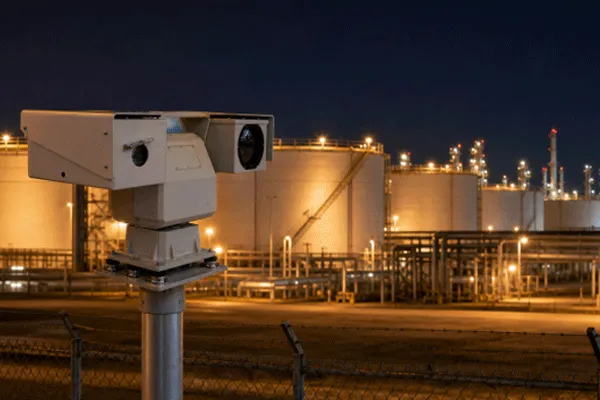
Giải pháp giám sát radar-quang điện tích hợp, hỗ trợ phát hiện, theo dõi, xác minh và phản ứng an ninh theo thời gian thực.
Giải pháp giám sát ảnh nhiệt công nghiệp, hỗ trợ theo dõi nhiệt độ, xác minh trực quan, cảnh báo sớm và xử lý sự kiện.
| Giải pháp an ninh tích hợp chuyên dụng, hỗ trợ giám sát liên tục, đánh giá rủi ro và phản ứng vận hành hiệu quả. |
Giải pháp an ninh tích hợp chuyên dụng, hỗ trợ giám sát liên tục, đánh giá rủi ro và phản ứng vận hành hiệu quả. |
| Giải pháp an ninh tích hợp chuyên dụng, hỗ trợ giám sát liên tục, đánh giá rủi ro và phản ứng vận hành hiệu quả. |
Giải pháp an ninh tích hợp chuyên dụng, hỗ trợ giám sát liên tục, đánh giá rủi ro và phản ứng vận hành hiệu quả. |
| Giải pháp giám sát ảnh nhiệt công nghiệp, hỗ trợ theo dõi nhiệt độ, xác minh trực quan, cảnh báo sớm và xử lý sự kiện. |
Giải pháp an ninh tích hợp chuyên dụng, hỗ trợ giám sát liên tục, đánh giá rủi ro và phản ứng vận hành hiệu quả. |
| Giải pháp an ninh tích hợp chuyên dụng, hỗ trợ giám sát liên tục, đánh giá rủi ro và phản ứng vận hành hiệu quả. |
Giải pháp an ninh tích hợp chuyên dụng, hỗ trợ giám sát liên tục, đánh giá rủi ro và phản ứng vận hành hiệu quả. |
| Giải pháp giám sát ảnh nhiệt công nghiệp, hỗ trợ theo dõi nhiệt độ, xác minh trực quan, cảnh báo sớm và xử lý sự kiện. |
Giải pháp an ninh tích hợp chuyên dụng, hỗ trợ giám sát liên tục, đánh giá rủi ro và phản ứng vận hành hiệu quả. |
| Giải pháp giám sát radar-quang điện tích hợp, hỗ trợ phát hiện, theo dõi, xác minh và phản ứng an ninh theo thời gian thực. |
Giải pháp an ninh tích hợp chuyên dụng, hỗ trợ giám sát liên tục, đánh giá rủi ro và phản ứng vận hành hiệu quả. |
| Giải pháp an ninh tích hợp chuyên dụng, hỗ trợ giám sát liên tục, đánh giá rủi ro và phản ứng vận hành hiệu quả. |
Giải pháp an ninh tích hợp chuyên dụng, hỗ trợ giám sát liên tục, đánh giá rủi ro và phản ứng vận hành hiệu quả. |
| Quay ngang PTZ |
Giải pháp an ninh tích hợp chuyên dụng, hỗ trợ giám sát liên tục, đánh giá rủi ro và phản ứng vận hành hiệu quả. |
| Giải pháp an ninh tích hợp chuyên dụng, hỗ trợ giám sát liên tục, đánh giá rủi ro và phản ứng vận hành hiệu quả. |
Giải pháp giám sát ảnh nhiệt công nghiệp, hỗ trợ theo dõi nhiệt độ, xác minh trực quan, cảnh báo sớm và xử lý sự kiện. |
| Giải pháp giám sát ảnh nhiệt công nghiệp, hỗ trợ theo dõi nhiệt độ, xác minh trực quan, cảnh báo sớm và xử lý sự kiện. |
Giải pháp an ninh tích hợp chuyên dụng, hỗ trợ giám sát liên tục, đánh giá rủi ro và phản ứng vận hành hiệu quả. |
| Giải pháp an ninh tích hợp chuyên dụng, hỗ trợ giám sát liên tục, đánh giá rủi ro và phản ứng vận hành hiệu quả. |
IP66, lớp phủ bảo vệ ba lớp |
Giải pháp giám sát radar-quang điện tích hợp, hỗ trợ phát hiện, theo dõi, xác minh và phản ứng an ninh theo thời gian thực.
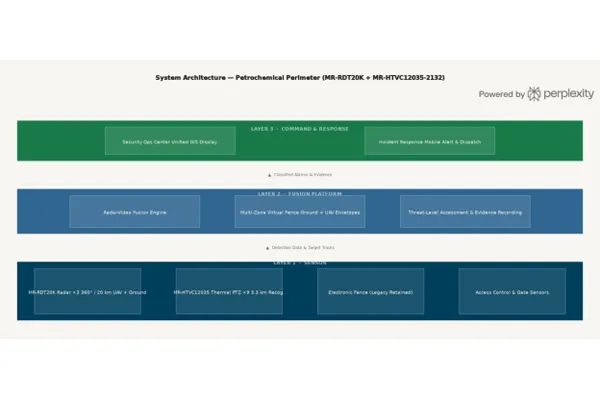
Hiển thị hợp nhất dựa trên GIS: các vệt bám radar (mặt đất và trên không), Giải pháp giám sát ảnh nhiệt công nghiệp, hỗ trợ theo dõi nhiệt độ, xác minh trực quan, cảnh báo sớm và xử lý sự kiện.Giải pháp an ninh tích hợp chuyên dụng, hỗ trợ giám sát liên tục, đánh giá rủi ro và phản ứng vận hành hiệu quả.
Giải pháp C-UAS tích hợp để phát hiện, theo dõi, nhận dạng, đánh giá mối đe dọa và ứng phó với UAV theo quy trình được cấp quyền.
Giải pháp C-UAS tích hợp để phát hiện, theo dõi, nhận dạng, đánh giá mối đe dọa và ứng phó với UAV theo quy trình được cấp quyền.
Giải pháp an ninh tích hợp chuyên dụng, hỗ trợ giám sát liên tục, đánh giá rủi ro và phản ứng vận hành hiệu quả.
Giải pháp giám sát radar-quang điện tích hợp, hỗ trợ phát hiện, theo dõi, xác minh và phản ứng an ninh theo thời gian thực.
Giải pháp C-UAS tích hợp để phát hiện, theo dõi, nhận dạng, đánh giá mối đe dọa và ứng phó với UAV theo quy trình được cấp quyền.
Triển khai hệ thống
Giải pháp radar và quang điện tích hợp cho an ninh chu vi, giám sát công nghiệp và bảo vệ hạ tầng trọng yếu.
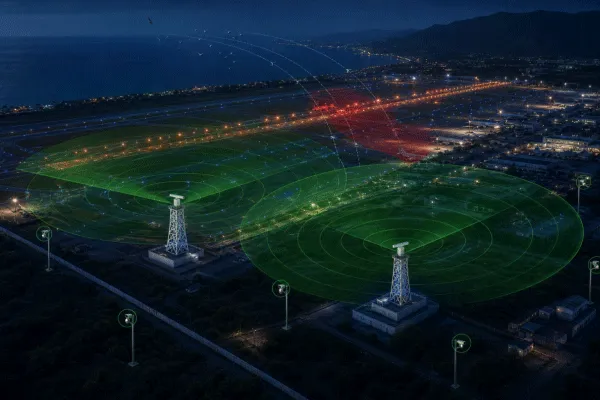
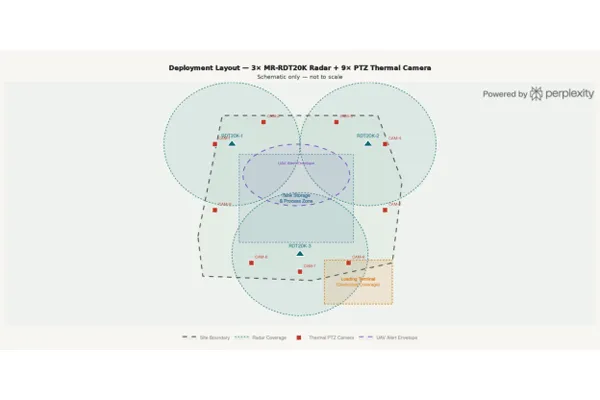
Thiết kế vùng phủ radar ba khu vực: Vành đai 8+ km được chia thành ba khu vực phủ radar bố trí theo các vị trí cột MR-RDT20K. Mô hình hóa vùng phủ xác nhận độ chồng lấp đầy đủ tại ranh giới mỗi khu vực để bàn giao bám bắt mục tiêu liên tục trên cả lớp mặt đất và vùng không phận tầm thấp, loại bỏ các khoảng trống phát hiện ở cả hai chiều.
Vùng phủ chuyên biệt cho khu vực xuất hàng: Trạm xuất hàng và cổng xe chính được xác định là các khu vực có hậu quả nghiêm trọng, cần được phủ độc lập với sơ đồ radar vành đai tiêu chuẩn. Hai thiết bị MR-HTVC12035-2132 tại các vị trí này vừa cung cấp khả năng theo dõi nhiệt được radar dẫn hướng, vừa giám sát phương tiện bằng ánh sáng khả kiến được kích hoạt độc lập.
Giải pháp radar và quang điện tích hợp cho an ninh chu vi, giám sát công nghiệp và bảo vệ hạ tầng trọng yếu.
Kết quả triển khai
Giải pháp an ninh tích hợp chuyên dụng, hỗ trợ giám sát liên tục, đánh giá rủi ro và phản ứng vận hành hiệu quả.
Giải pháp giám sát radar-quang điện tích hợp, hỗ trợ phát hiện, theo dõi, xác minh và phản ứng an ninh theo thời gian thực.
Giải pháp C-UAS tích hợp để phát hiện, theo dõi, nhận dạng, đánh giá mối đe dọa và ứng phó với UAV theo quy trình được cấp quyền.
Giải pháp an ninh tích hợp chuyên dụng, hỗ trợ giám sát liên tục, đánh giá rủi ro và phản ứng vận hành hiệu quả.
Giải pháp an ninh tích hợp chuyên dụng, hỗ trợ giám sát liên tục, đánh giá rủi ro và phản ứng vận hành hiệu quả.
Giải pháp C-UAS tích hợp để phát hiện, theo dõi, nhận dạng, đánh giá mối đe dọa và ứng phó với UAV theo quy trình được cấp quyền.
Giải pháp an ninh tích hợp chuyên dụng, hỗ trợ giám sát liên tục, đánh giá rủi ro và phản ứng vận hành hiệu quả.
Câu hỏi thường gặp
Giải pháp giám sát ảnh nhiệt công nghiệp, hỗ trợ theo dõi nhiệt độ, xác minh trực quan, cảnh báo sớm và xử lý sự kiện.
Một camera nhiệt chỉ bao phủ một trường quan sát xác định. Chỉ dùng camera để phủ 8 km sẽ cần số lượng rất lớn thiết bị cố định hoặc vận hành PTZ thủ công liên tục - cả hai phương án đều không cung cấp cảnh báo sớm tự động đáng tin cậy. MR-RDT20K đồng thời quét toàn bộ phương vị 360° và độ cao tới 3,000 m, phát hiện và theo dõi nhiều mục tiêu mặt đất và trên không trên toàn bộ vành đai bằng một cảm biến duy nhất. Camera nhiệt cung cấp xác minh trực quan cho các mục tiêu mà radar đã định vị, thay vì đóng vai trò là lớp phát hiện chính.
Giải pháp C-UAS tích hợp để phát hiện, theo dõi, nhận dạng, đánh giá mối đe dọa và ứng phó với UAV theo quy trình được cấp quyền.
MR-RDT20K sử dụng quét phương vị cơ khí kết hợp với tạo búp sóng số theo góc tà (DBF) để thu thập dữ liệu mục tiêu ba chiều - cự ly, tốc độ, phương vị và độ cao. Kết hợp với phân tích tiết diện phản xạ radar và lập hồ sơ vận tốc, hệ thống phân loại từng vệt bám ở cấp xử lý tín hiệu. Nền tảng hiển thị các nhãn này theo từng vệt bám trong thời gian thực. Đối với các sự kiện cần xác nhận, MR-HTVC12035-2132 cung cấp xác minh trực quan bằng ảnh nhiệt và ánh sáng khả kiến.
Giải pháp radar và quang điện tích hợp cho an ninh chu vi, giám sát công nghiệp và bảo vệ hạ tầng trọng yếu.
Giải pháp radar và quang điện tích hợp cho an ninh chu vi, giám sát công nghiệp và bảo vệ hạ tầng trọng yếu.
Giải pháp radar và quang điện tích hợp cho an ninh chu vi, giám sát công nghiệp và bảo vệ hạ tầng trọng yếu.
Triển khai hệ thống
Giải pháp an ninh tích hợp chuyên dụng, hỗ trợ giám sát liên tục, đánh giá rủi ro và phản ứng vận hành hiệu quả.
Giải pháp C-UAS tích hợp để phát hiện, theo dõi, nhận dạng, đánh giá mối đe dọa và ứng phó với UAV theo quy trình được cấp quyền.
Giải pháp an ninh tích hợp chuyên dụng, hỗ trợ giám sát liên tục, đánh giá rủi ro và phản ứng vận hành hiệu quả.
Giải pháp giám sát radar-quang điện tích hợp, hỗ trợ phát hiện, theo dõi, xác minh và phản ứng an ninh theo thời gian thực.
Giải pháp radar và quang điện tích hợp cho an ninh chu vi, giám sát công nghiệp và bảo vệ hạ tầng trọng yếu.
Giải pháp radar và quang điện tích hợp cho an ninh chu vi, giám sát công nghiệp và bảo vệ hạ tầng trọng yếu.
Giải pháp an ninh tích hợp chuyên dụng, hỗ trợ giám sát liên tục, đánh giá rủi ro và phản ứng vận hành hiệu quả.
Giải pháp giám sát radar-quang điện tích hợp, hỗ trợ phát hiện, theo dõi, xác minh và phản ứng an ninh theo thời gian thực.
Giải pháp an ninh tích hợp chuyên dụng, hỗ trợ giám sát liên tục, đánh giá rủi ro và phản ứng vận hành hiệu quả.
Có. Có thể bổ sung các nút radar MR-RDT20K và thiết bị camera dưới dạng các phân đoạn phủ sóng riêng trong cùng một nền tảng, với quản lý cảnh báo thống nhất cho mọi khu vực. Có thể thêm và kiểm tra độc lập các cấu hình vùng hàng rào ảo mới mà không ảnh hưởng đến trạng thái vận hành của các vùng hiện có.
Giải pháp an ninh tích hợp chuyên dụng, hỗ trợ giám sát liên tục, đánh giá rủi ro và phản ứng vận hành hiệu quả.
· Radar Giám sát Tầm thấp MR-RDT20K
· Camera Nhiệt PTZ Lắp trên Xe MR-HTVC12035-2132
· Bảo vệ chu vi
· Giải pháp C-UAS tích hợp để phát hiện, theo dõi, nhận dạng, đánh giá mối đe dọa và ứng phó với UAV theo quy trình được cấp quyền.
· Giải pháp giám sát ảnh nhiệt công nghiệp, hỗ trợ theo dõi nhiệt độ, xác minh trực quan, cảnh báo sớm và xử lý sự kiện.
· Giải pháp giám sát radar và an ninh hàng không, hỗ trợ phát hiện, theo dõi, xác minh và quản lý rủi ro tại sân bay.