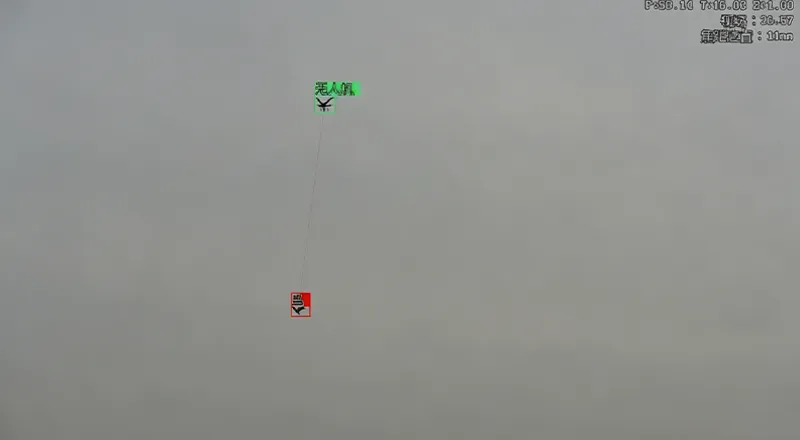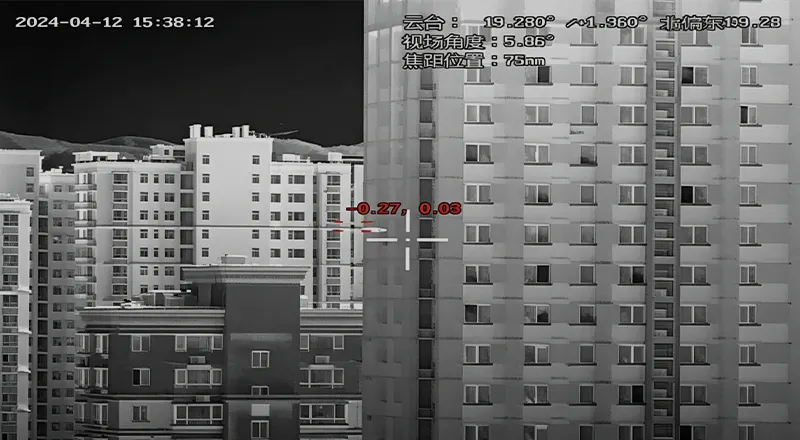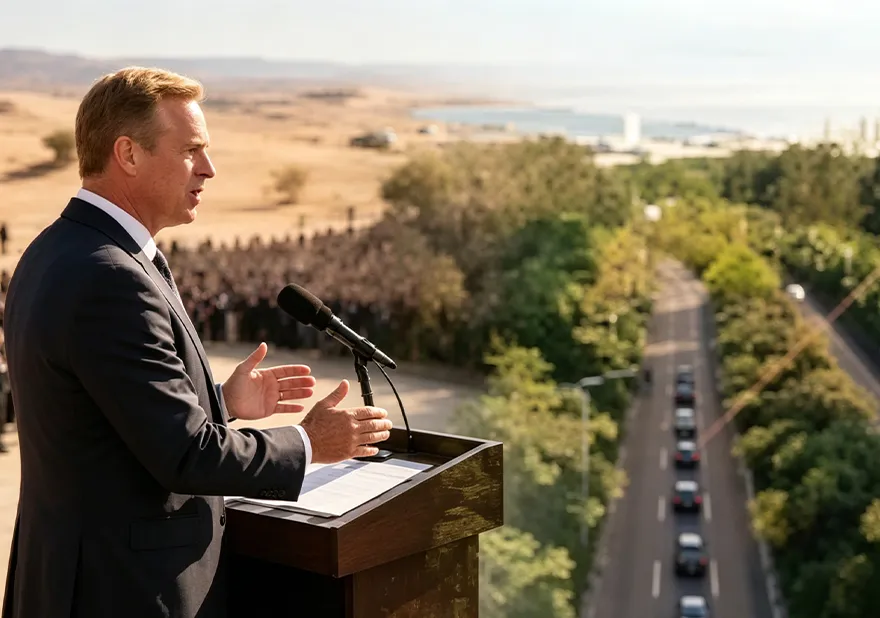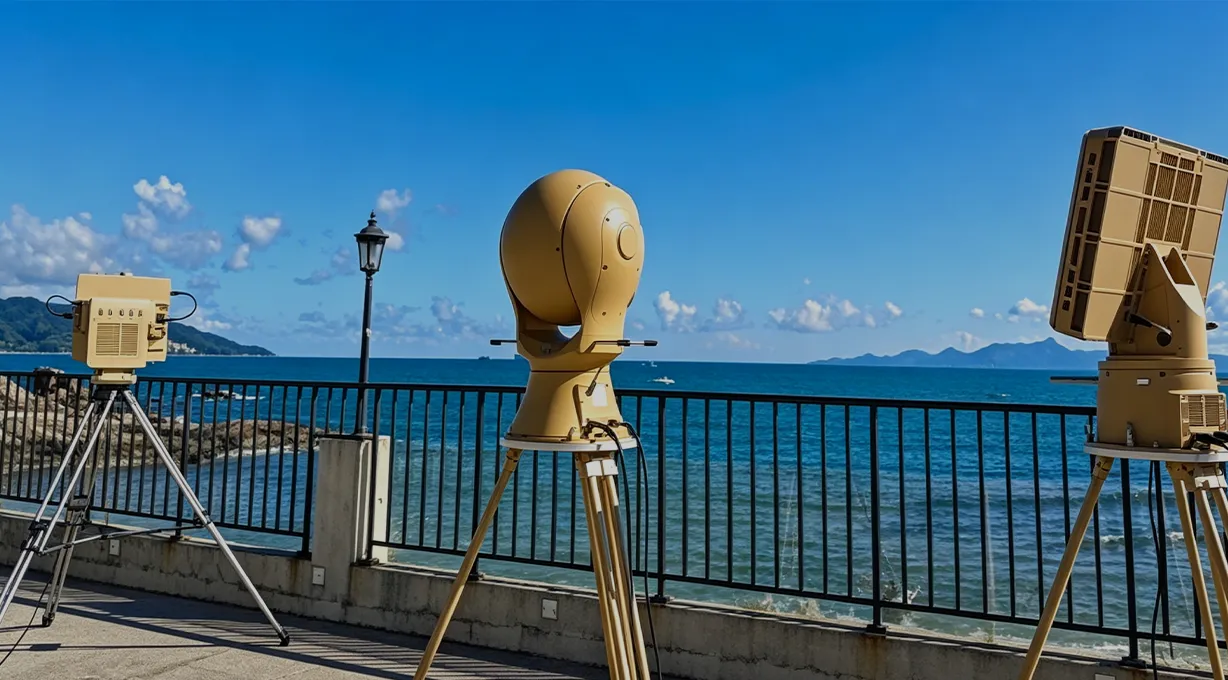
Public Security & Counter-terrorism

Public Safety & Counter-Terrorism Integrated Security Solution

Proactive Surveillance for Urban Environments and High-Profile Events

Midradar provides rapidly deployable, integrated surveillance systems that empower law enforcement and security agencies to proactively monitor public spaces, secure major events, and counter terrorist threats.

Public Safety Operations Require More Than Visibility

Public safety operations require more than visibility. They require early discovery, accurate assessment, and coordinated response.

  • Open Environments and Complex Sources

    Major events, transportation hubs, government campuses, border checkpoints, and critical infrastructure sites often feature open boundaries, heavy pedestrian flow, frequent vehicle movement, and complex surroundings.

  • Delayed Long-Range Detection

    Long-range observation risks may originate from outer high points, long-range positions, suspicious optical equipment, or covert observation behavior.

  • Low-Altitude UAV Pressure

    Drones can create new low-altitude security pressure for major events, restricted facilities, correctional sites, energy facilities, and transportation hubs.

  • Video-Only Discovery Limits

    Conventional cameras may delay discovery in large areas, night environments, low-altitude target scenarios, and complex backgrounds.

Closed-Loop Workflow

Six Steps from Risk Discovery to After-Action Review

  • 01
    Solution

    Step 1 — Discovery

    Low-altitude radar, visible imaging, thermal imaging, laser night vision, perimeter sensing, counter-UAV detection, and anti-reconnaissance optical detection continuously monitor key areas.

  • 02
    Solution

    Step 2 — Verification

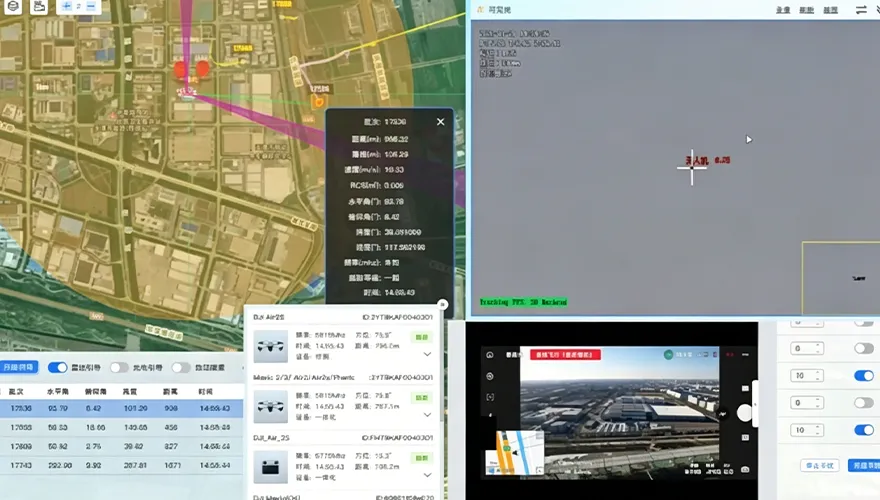
    Radar outputs target position, speed, and trajectory. Electro-optical devices slew to the target direction for imaging, while AI video analytics assist identification.

  • 03
    Solution

    Step 3 — Assessment

    The platform combines target location, type, speed, trajectory, zone rules, and historical alerts to generate a threat-level reference.

  • 04
    Solution

    Step 4 — Dispatch

    The command platform links video retrieval, alerts, public address, personnel assignment, authorized counter-UAV response interfaces, and emergency resources.

  • 05
    Solution

    Step 5 — Control

    The response process is monitored in real time, supporting task adjustment, human confirmation, instruction rollback, and multi-department coordination.

  • 06
    Solution

    Step 6 —Review

    The system archives video, images, tracks, alerts, operation logs, and response results to generate an event report.

Public Security & Counter-terrorism

Key Differentiators

The Core Is Not Only Monitoring, But Multi-Source Sensing, Unified Command, and Controlled Response

Mobile Patrol Unit
Alarm Evidence Recording
Threat-Level Assessment

Unified Access Reduces Information Silos

Integrates long-range cameras, thermal imagers, laser night vision devices, EO units, AI analytics, radar, counter-UAV detection, anti-reconnaissance detection, perimeter alarms, warning devices, and command terminals into one platform.

Multi-Source Fusion Improves Assessment Accuracy

Cross-verifies visible imaging, thermal imaging, laser night vision, radar detection, AI analysis, low-altitude sensing, and anti-reconnaissance optical detection.

Radar-Video Fusion Enables Active Discovery

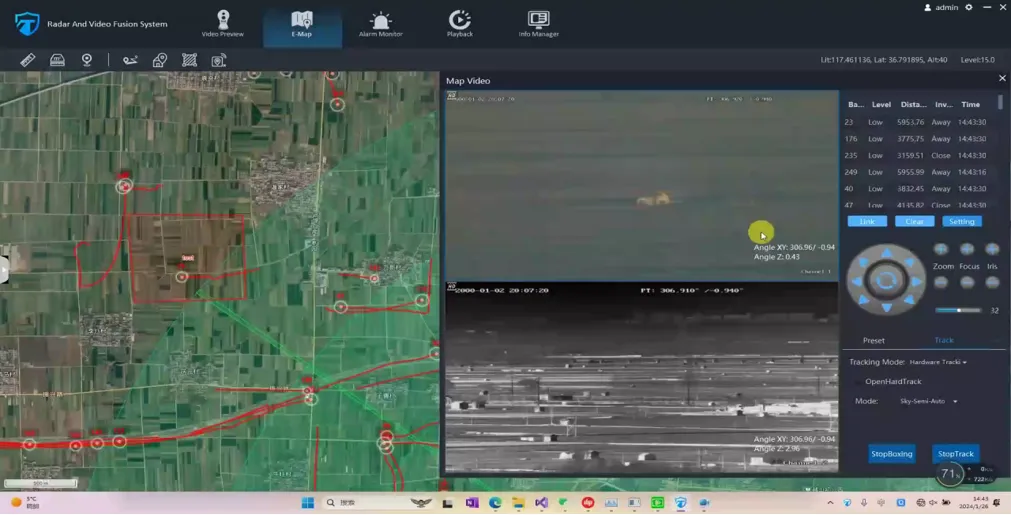
Radar provides active search and continuous tracking, while electro-optical devices provide visual imagery, target details, and evidence capture.

Human Confirmation Keeps Response Controlled

The system can recommend response actions, but key actions remain subject to human confirmation, with operator, time, target information, instructions, and results recorded.

Mobile Patrol Unit
Alarm Evidence Recording
Threat-Level Assessment

System Architecture

A six-layer architecture supporting the full public safety protection chain

Sensing Layer

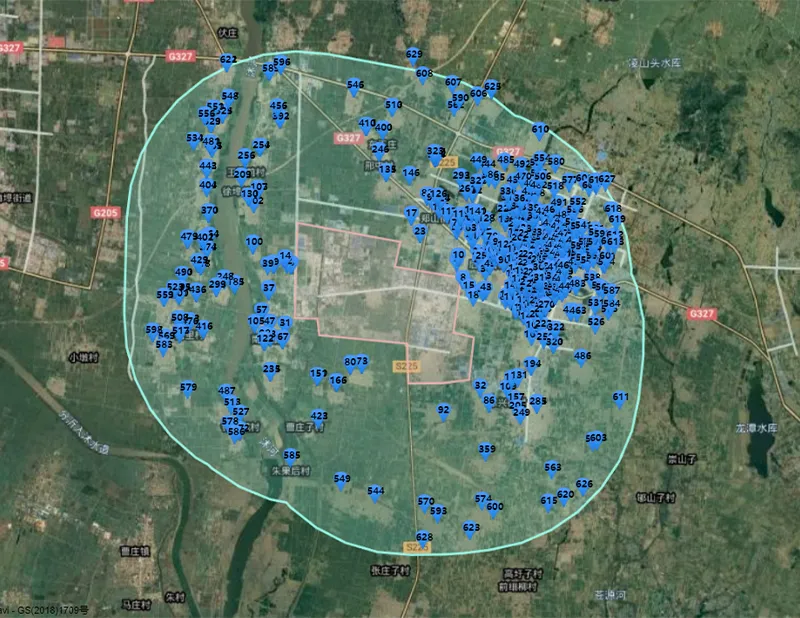
Deploy low-altitude surveillance radar, visible-light cameras, thermal imagers, laser night vision devices, perimeter sensing devices, counter-UAV detection devices, and anti-reconnaissance optical detection devices to monitor high points, roads, entrances, airspace, and boundary zones around key areas.

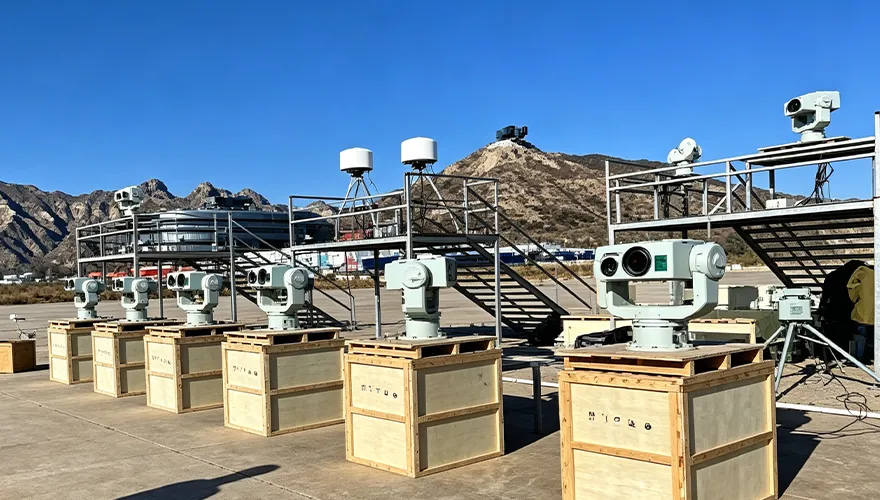
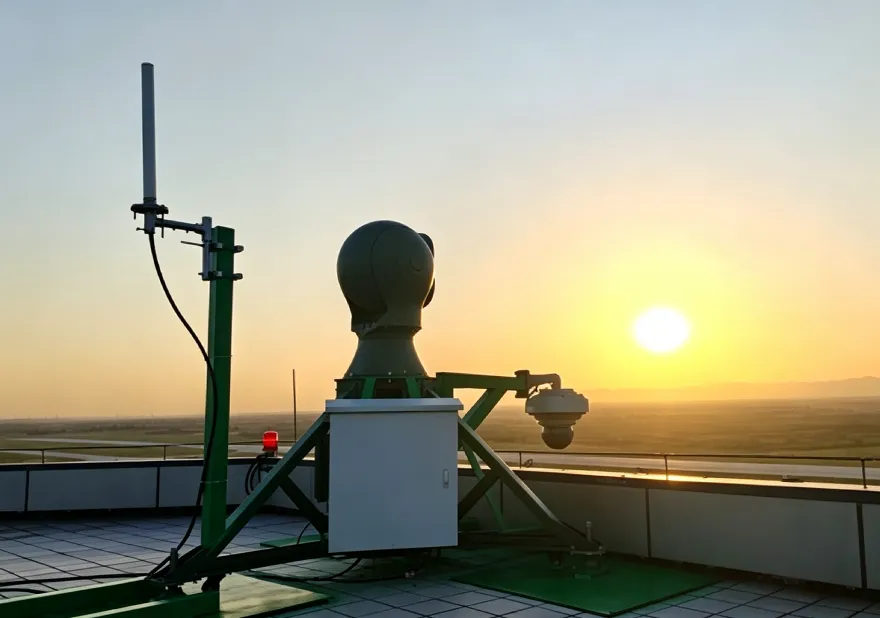
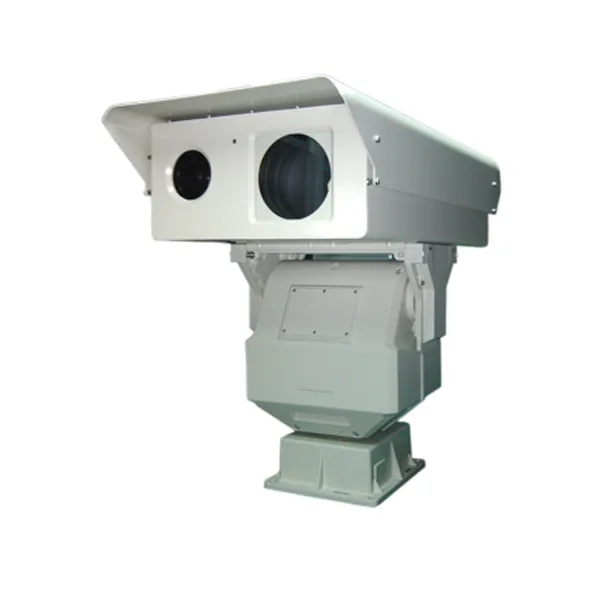
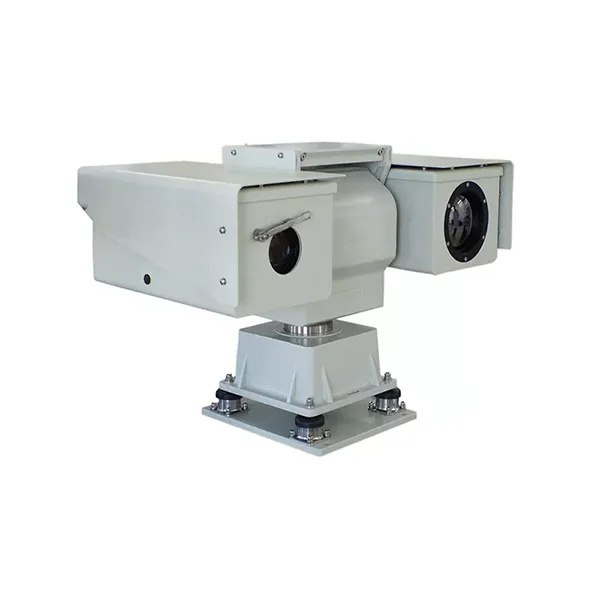
Electro-Optical Tracking System

Identification Layer

Use AI video analytics to assist in identifying crowd gathering, area intrusion, line crossing, abnormal loitering, vehicle anomalies, low-altitude targets, and suspicious optical targets, providing rapid assessment references for operators

Event Logging & After-Action Review Layer

Specialized Detection Layer

Integrate low-altitude surveillance radar, anti-reconnaissance optical detection, counter-UAV detection, and long-range electro-optical tracking. Radar supports active discovery and continuous tracking; electro-optical devices support image verification and evidence capture; anti-reconnaissance detection helps discover suspicious optical observation devices; counter-UAV capability supports drone discovery, tracking, recognition, and alerting.

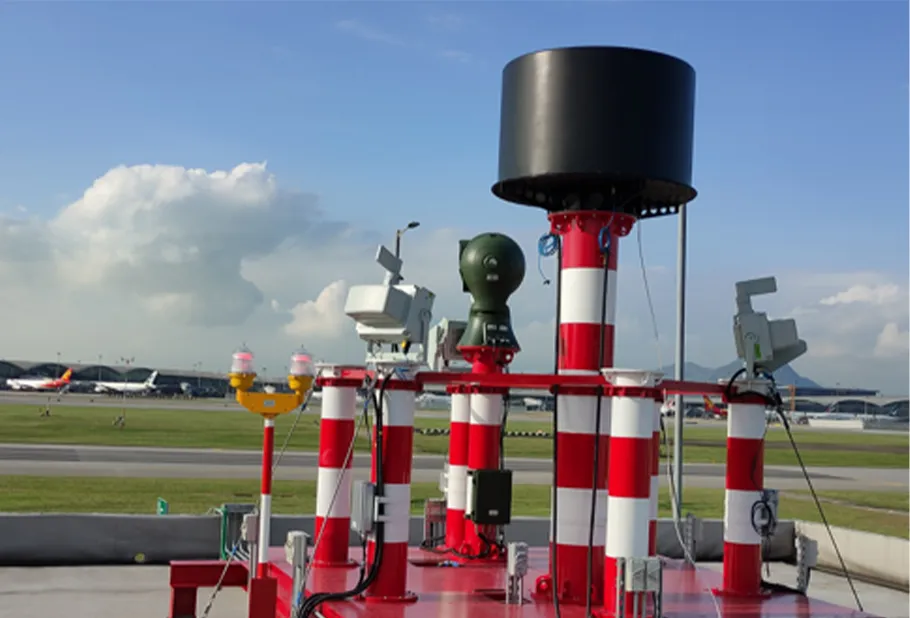
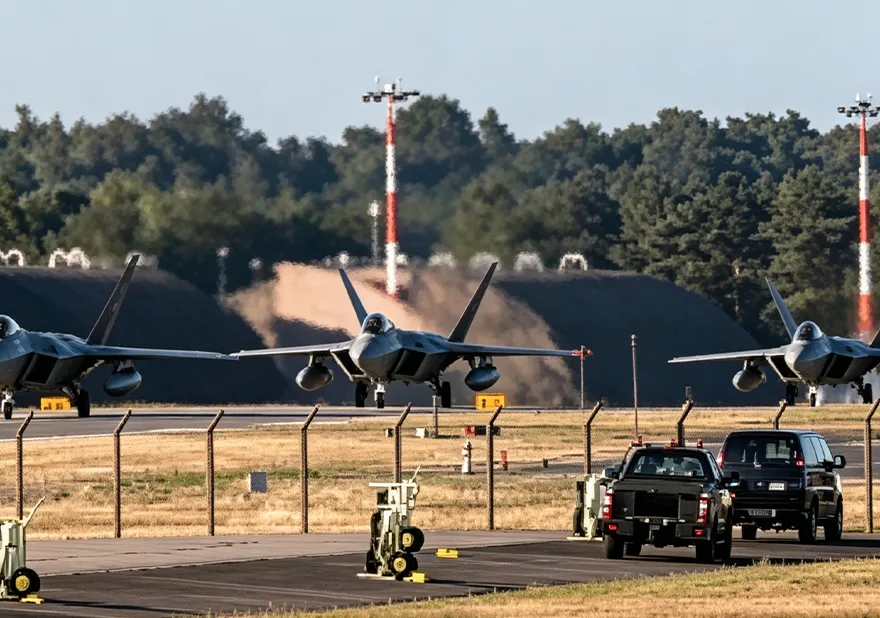
A Complete Airport Security System

Assessment Layer

The platform combines target type, location, track, zone rules, historical alerts, and mission level to output a threat-level reference. General, important, and emergency alerts are displayed by priority to support rapid judgment.

Digital Airport Perimeter Fence

Dispatch Layer

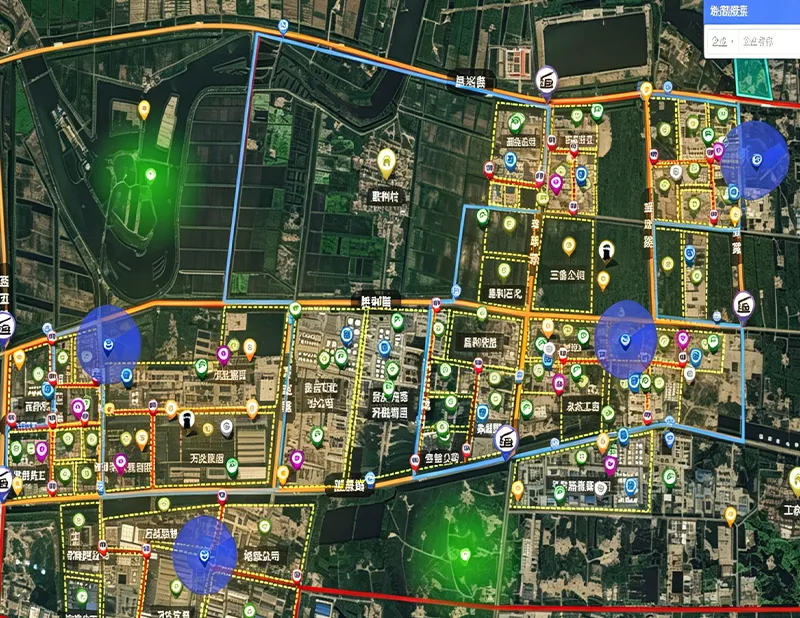
The unified command platform manages device access, situation display, alert linkage, video retrieval, task assignment, personnel coordination, response records, and event search across systems, roles, and protection zones.

Radar-Optical Electronic Sentinel

Review Layer

After an event, the system archives alert snapshots, video clips, target tracks, response processes, operation logs, and result feedback. Events can be searched by time, location, target type, event level, and operator to support security review and accountability.

builds a continuously operating

Sensing Layer

Identification Layer

Specialized Detection Layer

Assessment Layer

Dispatch Layer

Review Layer

Radar-Optical Linkage Capability

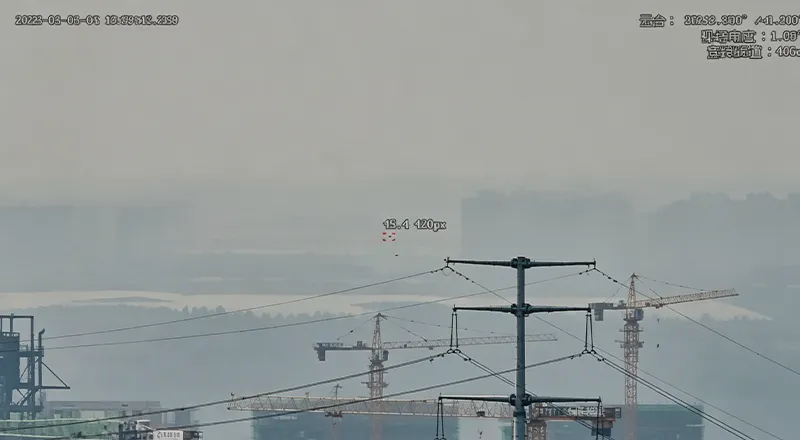
In public safety and counter-terrorism scenarios, video-only monitoring may not discover long-range, small, low-altitude, or complex-background moving targets in time. Radar-optical linkage combines radar active search and continuous tracking with automatic electro-optical verification, creating a fast loop from target discovery to image confirmation.

Active Search

Radar does not depend on visible-light images and can continuously scan key areas, improving long-range and low-altitude target discovery.

Mobile Patrol Unit

Continuous Tracking

Radar generates target tracks, helping the platform assess movement direction, speed changes, and the risk of entering sensitive zones.

Compared with Pure Video Surveillance, It Adds Distance Awareness and Track Judgment

Automatic Guidance

When radar detects a target, it can guide electro-optical equipment to the target direction, reducing manual search time.

Compared with a Single Radar System, It Adds Image Confirmation Capability

Image Verification

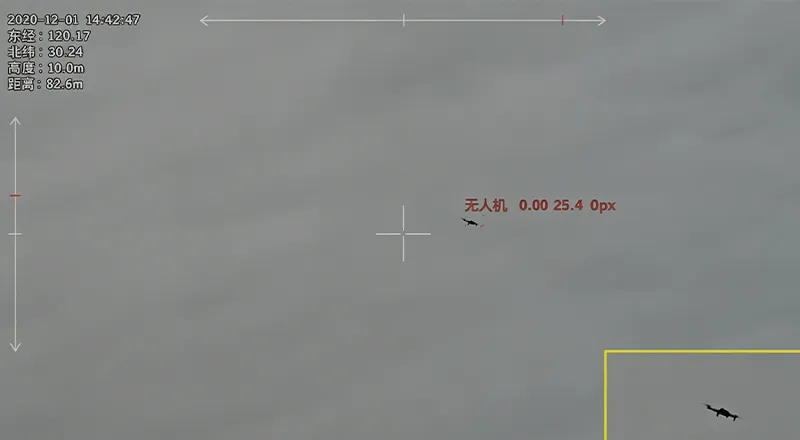
After the electro-optical device captures target imagery, AI video analytics and human confirmation can be used to assess target attributes.

Situation Fusion

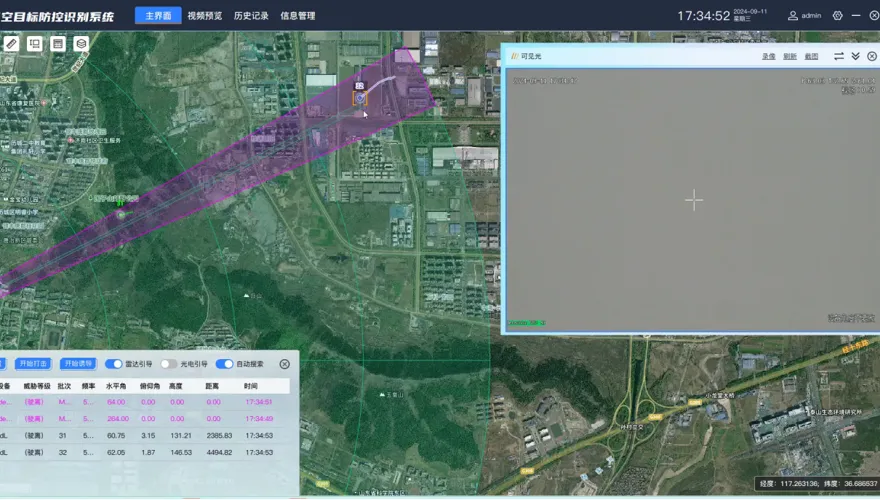
The platform can overlay radar target information with video imagery, presenting target type, distance, azimuth, speed, and track data in an integrated view.

  • Active Search
  • Continuous Tracking
  • Automatic Guidance
  • Image Verification
  • Situation Fusion

Anti-Reconnaissance Capability

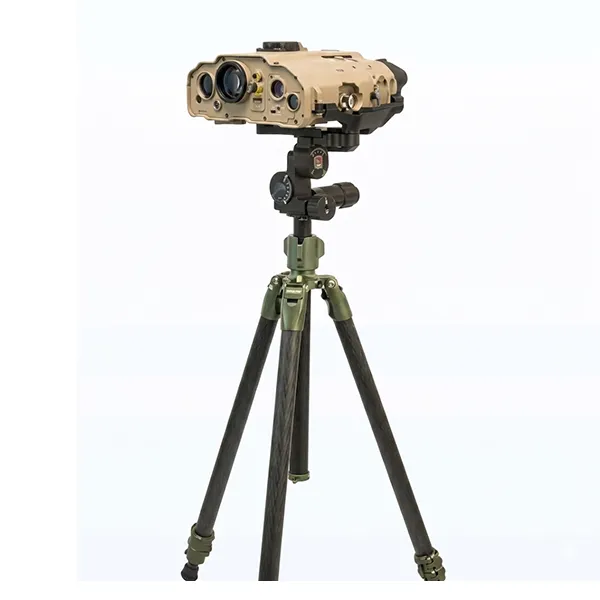
Anti-reconnaissance optical detection can be deployed as a specialized module within the public safety solution. By combining active optical detection with visible-light and thermal imaging verification, it helps security teams discover suspicious optical observation devices around protected areas and alert on potential long-range observation, covert filming, or abnormal monitoring behavior. It can then link to the command platform for verification, alerting, task assignment, and event traceability.

  • Active Discovery

    The system does not rely solely on manual observation. It uses active optical detection to identify suspicious optical targets and improve outer-perimeter risk discovery.

  • Rapid Verification

    Visible-light and thermal imaging can verify target location and help operators assess target attributes.

  • Linked Alerting

    After a suspicious target is detected, the platform can trigger audible and visual alerts, video pop-ups, map positioning, and security personnel dispatch.

  • Event Traceability

    Target images, alert time, response process, and verification results are stored for after-action review.

Typical Application Scenarios

For high-risk environments that require early discovery, rapid verification, and unified dispatch

Major Event Security

Sports events, conferences, exhibitions, concerts, and ceremonies involve dense crowds, open zones, and concentrated security pressure. The solution can establish multi-layer sensing across core areas, buffer zones, high points, and low-altitude airspace to discover abnormal personnel, suspicious vehicles, drones, and long-range observation risks earlier.

Major Event Perimeter Deployment

Transportation Hub Security

Airports, railway stations, ports, and passenger terminals feature heavy traffic and complex access paths. Multi-point video sensing, thermal imaging, radar linkage, and AI analytics help operators continuously monitor key areas and dispatch quickly.

Ports, Terminals, and Logistics Warehouses

Government and High-Security Facilities

Government offices, restricted facilities, research campuses, and key office zones need to prevent unauthorized entry, long-range observation, drone reconnaissance, and abnormal gathering. The solution supports perimeter protection, long-range observation alerts, low-altitude defense integration, and event traceability.

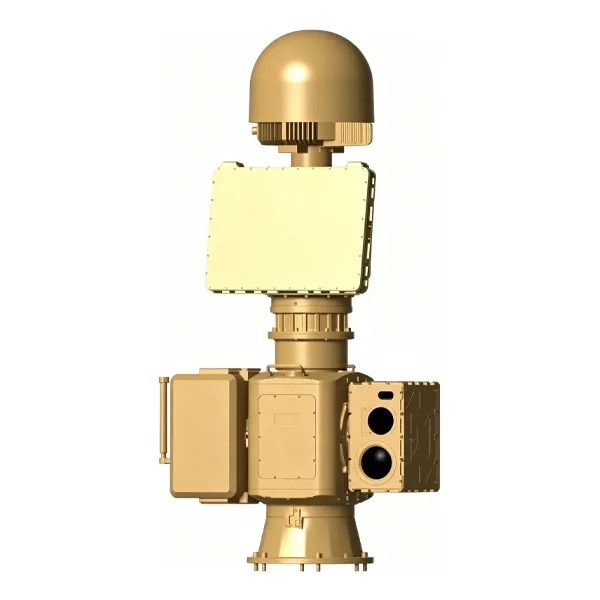
MR-G03 Surface Surveillance Radar

Border Checkpoints and Ports of Entry

Border checkpoints, inspection sites, and temporary control points require day-night monitoring, long-range identification, and operation under complex weather. Long-range visible imaging, thermal imaging, laser night vision, radar, and AI recognition can continuously monitor corridors, boundaries, buffer zones, and surrounding areas.

Border and Coastline Patrol

Energy and Critical Infrastructure

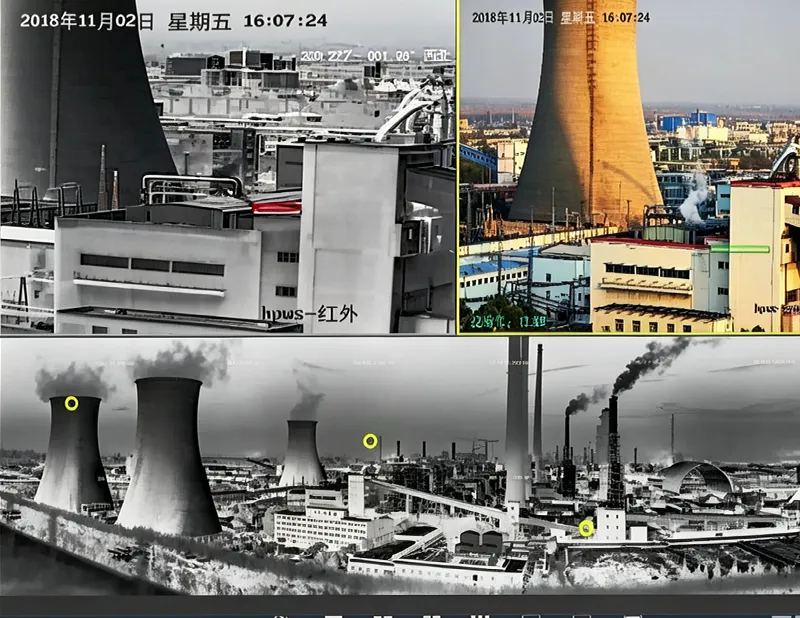
Power, petrochemical, oil and gas, water, and communication facilities need protection against intrusion, sabotage, drone reconnaissance, and abnormal outer-perimeter activities. The solution can continuously monitor equipment zones, perimeter boundaries, entrances, and low-altitude airspace.

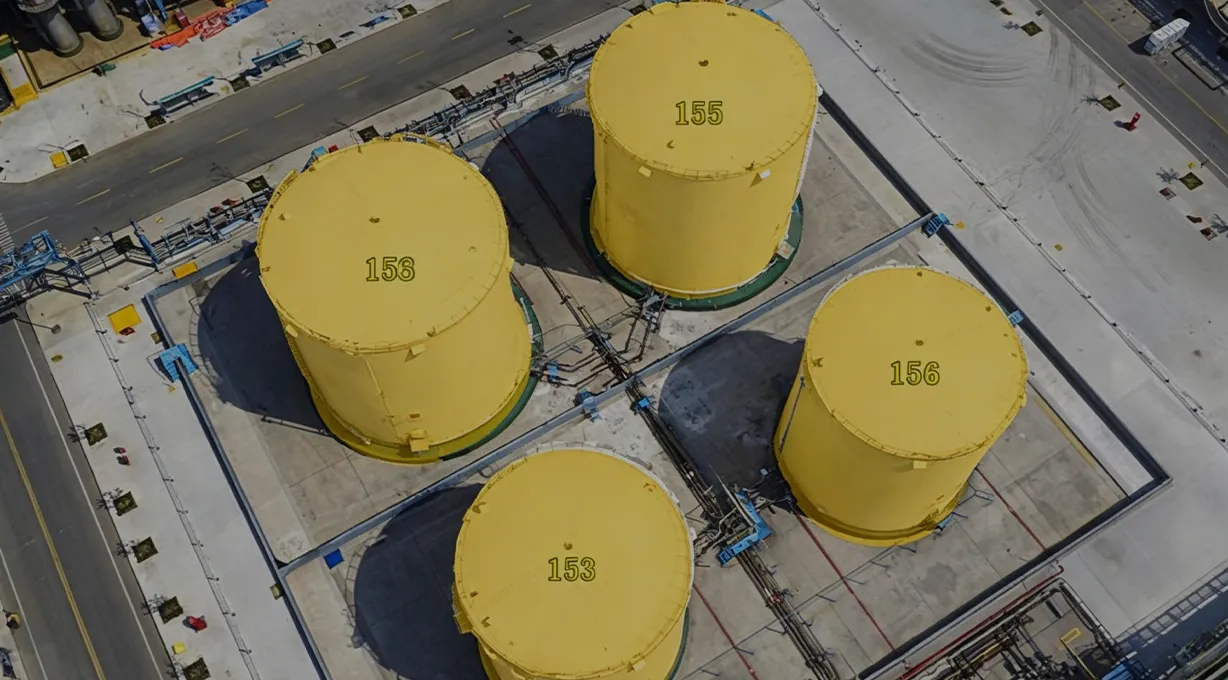
Petrochemical plants and chemical industrial parks

Convoy and Temporary Security

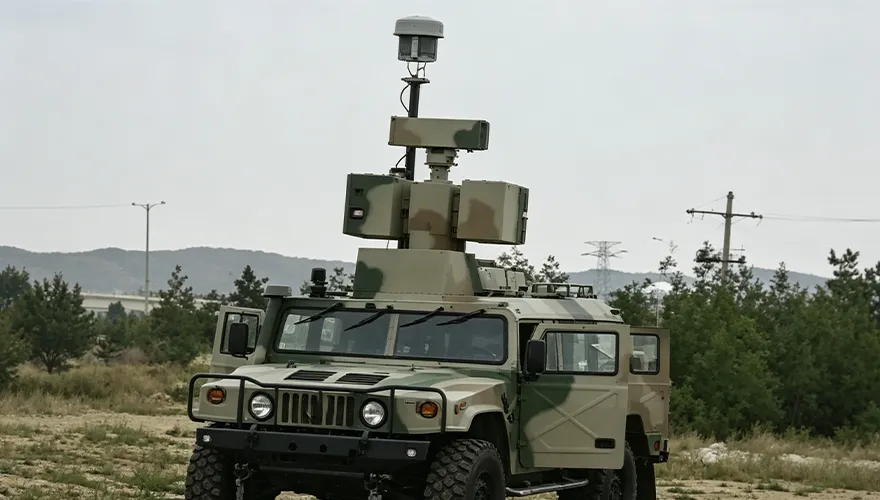
For VIP protection, temporary events, emergency response, and convoy protection, vehicle-mounted or portable deployment can provide rapid site setup, active sensing, anti-reconnaissance detection, low-altitude awareness, and command linkage around mobile missions.

A Complete Airport Security System

Major Event Security

Transportation Hub Security

Government and High-Security Facilities

Border Checkpoints and Ports of Entry

Energy and Critical Infrastructure

Convoy and Temporary Security

Collaborative Deployment Models

Fixed, vehicle-mounted, portable, and networked deployment under one platform

  • Fixed Deployment

    Suitable for government facilities, transportation hubs, energy facilities, correctional sites, ports of entry, and long-term protected zones. Devices can be installed on rooftops, towers, walls, checkpoints, or high points for continuous operation.

  • Vehicle-Mounted Deployment

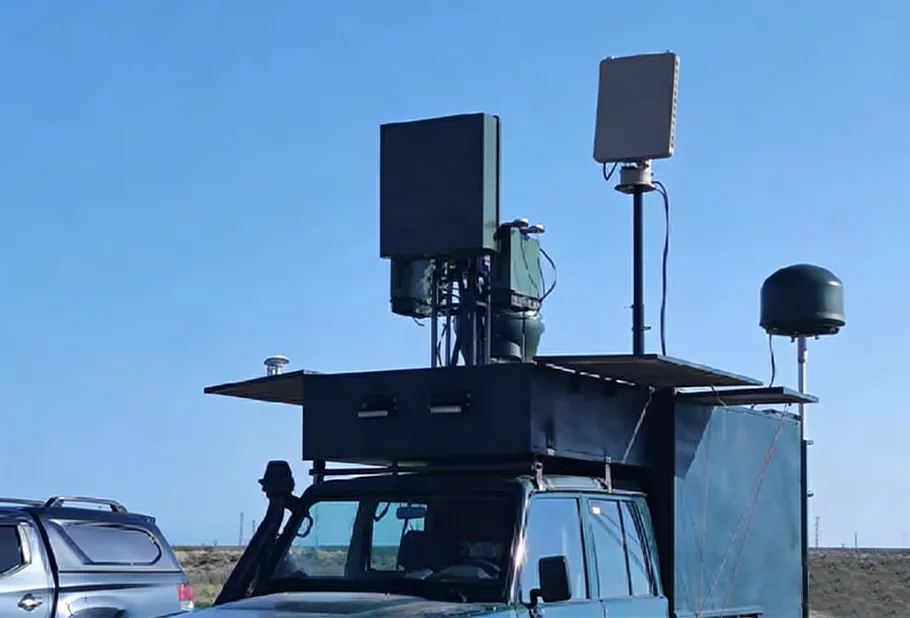
    Suitable for major events, temporary security tasks, emergency response, convoy protection, and cross-regional support. Vehicle-mounted systems can arrive quickly and provide temporary monitoring, anti-reconnaissance detection, low-altitude sensing, and command linkage.

  • Portable Deployment

    Suitable for temporary checkpoints, emergency missions, forward observation points, and coverage gap filling. Portable equipment can supplement fixed systems and improve flexibility in complex sites.

  • Multi-Site Networking

    Multiple zones, sites, and monitoring centers can be integrated into one command platform for cross-region situation display, alert sharing, task assignment, and data archiving.

FAQ

  • How is this solution different from a standard video surveillance system?

    A standard video surveillance system mainly solves live viewing and playback. This solution integrates low-altitude surveillance radar, video, thermal imaging, laser night vision, AI analytics, anti-reconnaissance optical detection, counter-UAV integration, and a unified command platform. It forms a closed loop from risk discovery to response review and emphasizes active discovery, rapid verification, unified dispatch, and event traceability.

  • Is anti-reconnaissance detection suitable for public safety and counter-terrorism scenarios?

    Yes. Anti-reconnaissance detection is best positioned as a specialized capability within the overall solution. It helps detect suspicious optical observation devices or long-range reconnaissance risks around major events, key areas, VIP protection missions, and critical facilities.

  • Does the system support counter-UAV capability?

    Yes. The solution can integrate low-altitude drone detection, identification, tracking, and authorized response interfaces according to project requirements. For airports, major events, correctional facilities, energy sites, and government campuses, counter-UAV integration can be an important part of the overall security architecture.

  • Will AI automatically make response decisions?

    AI should not be used as the sole basis for final response decisions. AI recognition results should serve as assessment references. Final response recommendations should be completed through platform rules, site conditions, and human confirmation, which is more suitable for compliance and accountability in public safety scenarios.

  • Can the system connect with existing security platforms?

    Yes. The system can be integrated with existing video platforms, perimeter alarms, access control, public address systems, drone detection systems, and emergency command platforms according to the customer’s existing protocols and deployment environment.

  • Is the solution better for fixed deployment or temporary deployment?

    Both are supported. Fixed deployment is suitable for long-term key areas such as government facilities, transportation hubs, energy facilities, and correctional sites. Vehicle-mounted or portable deployment is suitable for major events, temporary security, emergency response, and convoy protection.

  • Do active response or mitigation-related devices require compliance approval?

    Yes. If radio-frequency suppression, jamming, spoofing, or other active response capabilities are involved, the deployment and operation should comply with local laws and regulations, radio management requirements, and user authorization requirements.

  • Why is radar needed in a public safety and counter-terrorism solution?

    Radar provides active detection, long-range discovery, and continuous tracking, making it suitable for low-altitude targets, long-range moving targets, and abnormal outer-perimeter targets. When linked with electro-optical devices, radar supports discovery and tracking, while electro-optical devices provide image verification and evidence capture. This improves discovery efficiency and assessment accuracy in complex environments.

Build a closed-loop public safety protection system for complex environments

Get the Public Safety Solution Brief


    Get a Quote

      We will reply you within 24 hours. If for urgent case, please add WhatsApp/WeChat: +86 15954290051,. Or call +86 15964215221 directly.

      *We respect your confidentiality and all information are protected.

      We will only use your information to respond to your inquiry and will never send unsolicited emails or promotional messages.