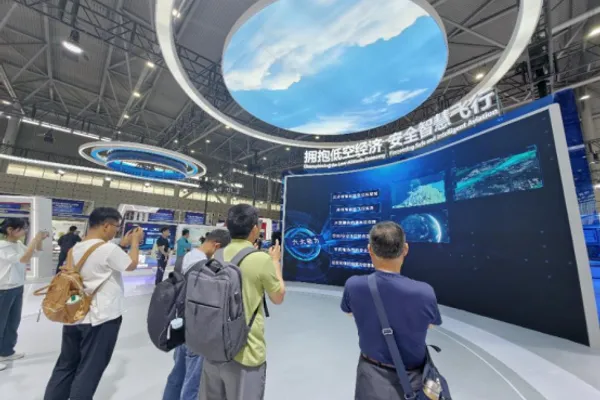
QINGDAO, April 2026 — The 6th Radar Future Conference officially opened in Qingdao, bringing together more than 1,000 experts, research institutes, and industry leaders to discuss the next generation of radar technologies and their expanding role in a more intelligent and connected future.
Centered around the theme of radar-driven industrial empowerment and digital-intelligent development, the event featured more than 20 specialized forums and a large-scale exhibition covering radar systems, core components, algorithms, and cross-domain applications.
A Clear Shift Toward Intelligent Radar Systems
One of the strongest themes throughout the conference was the rapid integration of artificial intelligence into radar systems.
Rather than focusing only on detection range and hardware performance, next-generation radar platforms are increasingly being designed to:
- interpret targets in real time
- integrate data from multiple sources
- support faster and more accurate operational decision-making
This shift reflects a broader evolution in the radar sector. Radar is no longer viewed only as a sensing device. It is increasingly being developed as an intelligent perception system capable of combining detection, analysis, and coordinated response support.
La sorveglianza a bassa quota è al centro della scena
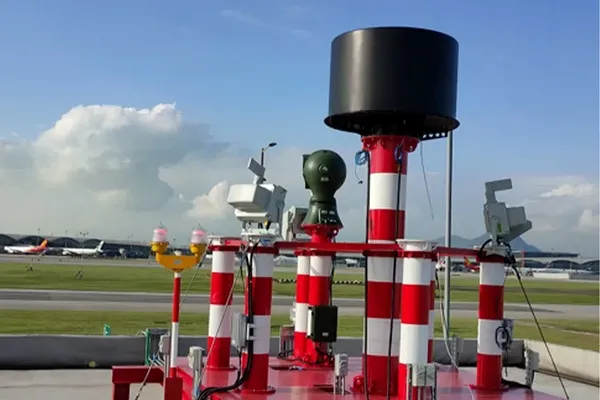
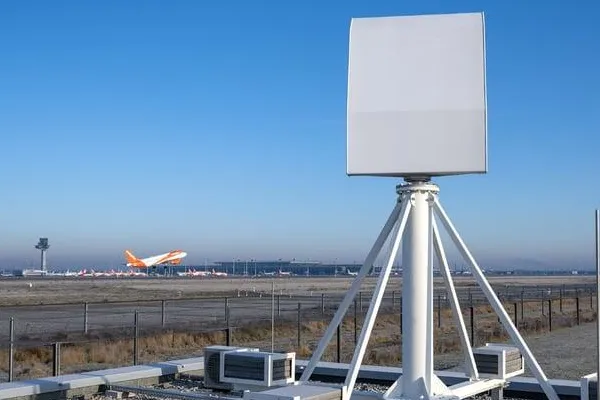
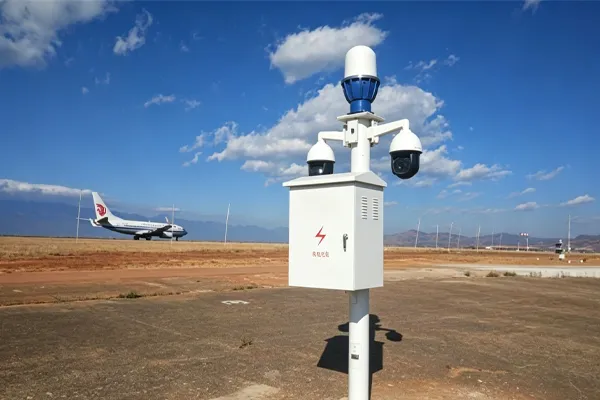
Another major focus of the conference was the growing importance of low-altitude surveillance, especially as drone activity continues to expand across airports, cities, industrial areas, and other sensitive environments.
Detecting low, slow, and small targets remains a major challenge because of factors such as:
- limited radar cross-section
- complex urban clutter
- interference from birds, terrain, and surrounding structures
To address these challenges, many exhibitors presented integrated systems that combine:
These solutions are designed to improve detection accuracy, enhance target verification, and reduce false alarms in complex real-world conditions.
A More Complete Radar Industry Chain on Display
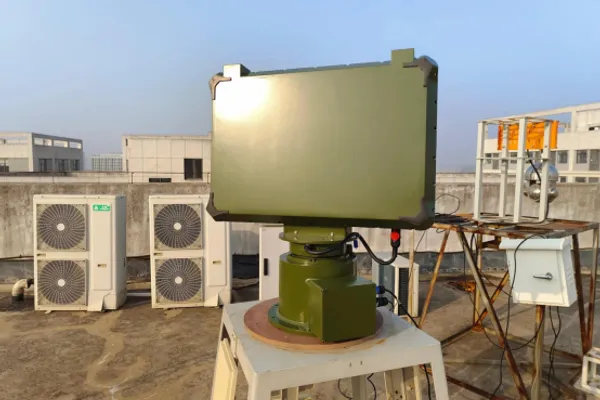
The conference also demonstrated the growing maturity of the radar industry ecosystem. More than 300 organizations across the value chain participated in the event, reflecting stronger collaboration across core technologies, subsystems, complete platforms, and application-level solutions.
Key innovations on display included:
- space-based synthetic aperture sistemi radar
- space debris detection technologies
- multi-band weather radar
- high-power transmitters and advanced test instruments
The exhibition structure highlighted the industry’s progress from fragmented development toward a more complete and increasingly coordinated radar ecosystem.
From Technical Innovation to Practical Deployment
Beyond technical innovation, the conference placed strong emphasis on practical deployment across a wide range of civilian and security-related applications.
Highlighted application areas included:
This reflects a broader market trend: radar technologies are moving more quickly from research and demonstration into operational use. In this process, companies such as Midradar are contributing to the development of radar-based sensing solutions focused on system integration, intelligent detection algorithms, and adaptability in real deployment environments.
Looking Ahead
As low-altitude activity continues to expand globally, demand for reliable, intelligent, and all-weather sensing systems is expected to grow steadily.
The 2026 Radar Future Conference pointed to a clear industry direction: from standalone radar hardware to integrated, AI-driven sensing systems.
In the years ahead, market competitiveness will increasingly depend on system-level capabilities such as:
- multi-sensor fusion
- scalability
- deployment flexibility
- operational reliability
For the radar industry, the path forward is becoming clearer. Future value will come not only from stronger hardware, but from smarter systems that can deliver accurate perception, efficient coordination, and dependable real-world performance.



 09:58
09:58