

Top-Down Co-Design
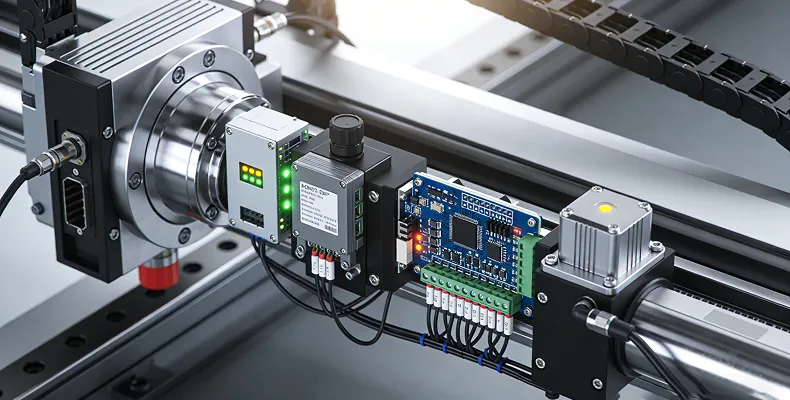
We employ a system-level co-design methodology, ensuring hardware resources are maximally utilized to extract the ultimate performance from the radar system from its very foundation.
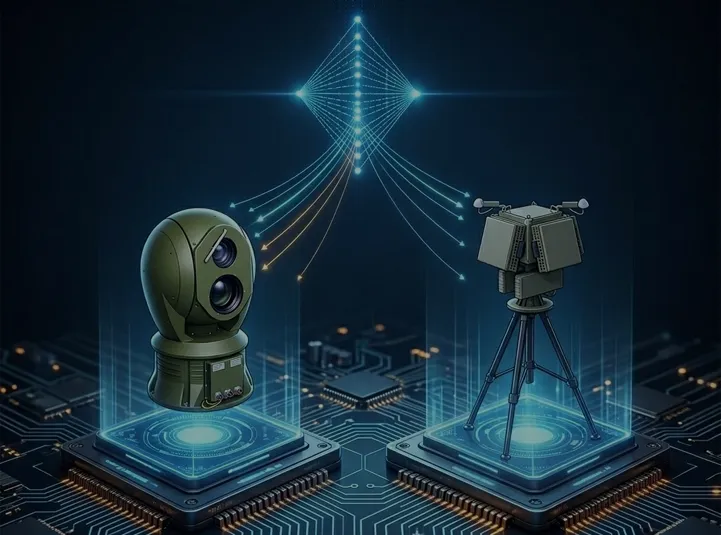
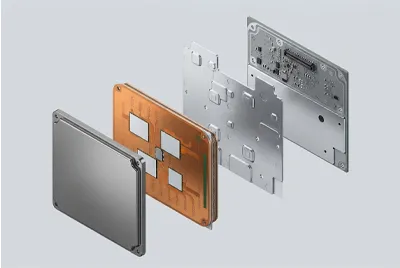
Our radar systems are built on a unified, four-layer architecture. This top-down, co-design methodology ensures that our hardware and software work in perfect synergy, maximizing resource utilization and unlocking the full potential of the radar from the ground up.
The Unity of Extreme Performance and Practicality
We employ a system-level co-design methodology, ensuring hardware resources are maximally utilized to extract the ultimate performance from the radar system from its very foundation.
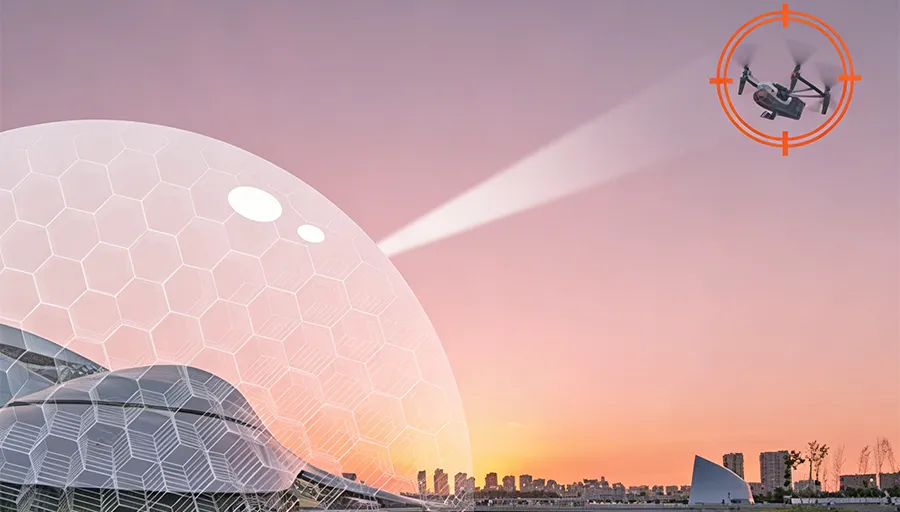
We go beyond laboratory specifications. Our designs are deeply rooted in solving the real-world pain points of complex environments like airports and critical infrastructure, ensuring robustness and reliability where it matters most.
Conquering the Challenge of Low-Slow-Small (LSS) Targets
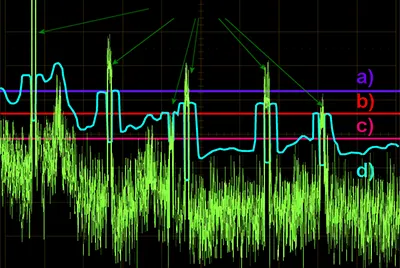
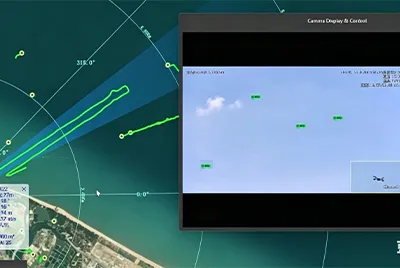
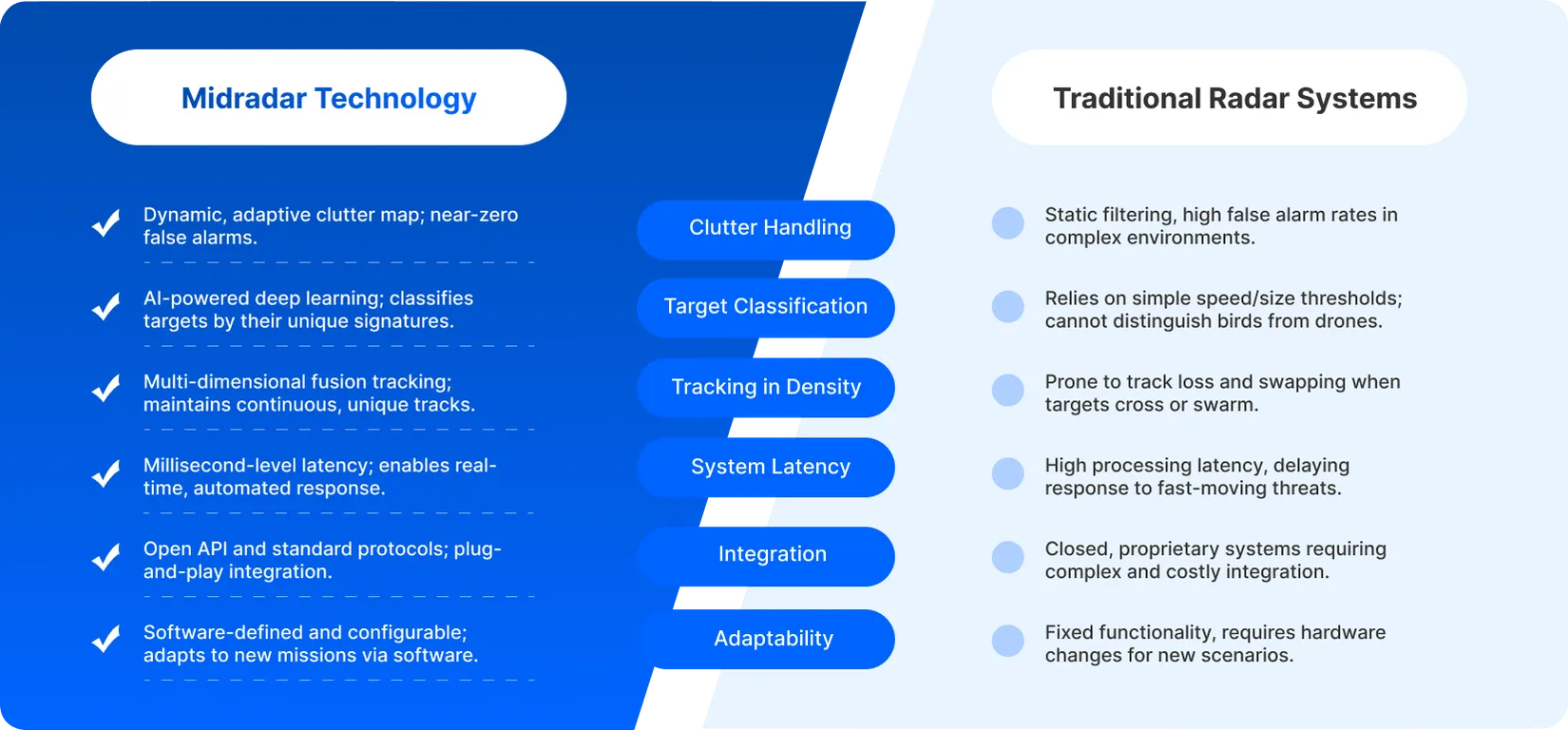
Our radar builds a dynamic clutter map in real-time, allowing it to adaptively suppress interference from the environment and reliably detect faint target signals even in extremely low signal-to-clutter conditions.
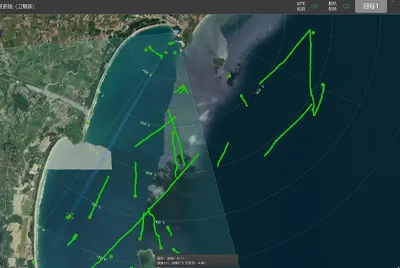
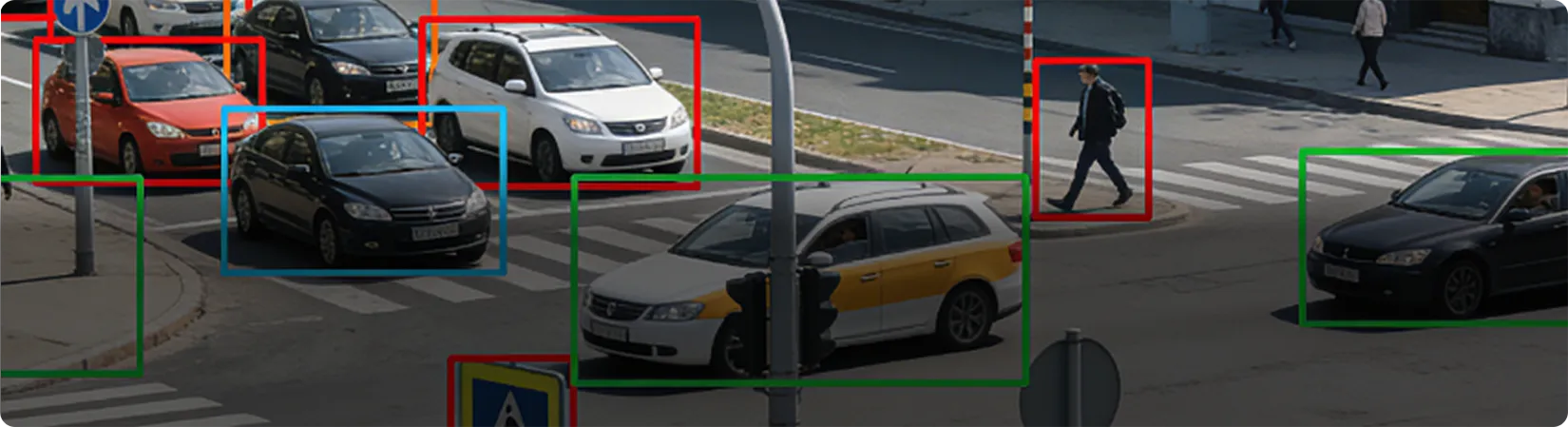
By deeply fusing multi-dimensional information like RCS fluctuations and micro-Doppler signatures, our system prevents track loss and misidentification in dense scenarios, such as bird flocks or drone swarms.
We transform radar echoes into recognizable feature maps, leveraging deep learning to accurately classify targets such as birds versus multi-rotor drones, providing actionable intelligence, not just data.
Using long-time coherent integration and advanced non-linear processing techniques, we break through traditional sensitivity limits to detect targets with exceptionally small radar cross-sections.
The Engine for Real-Time Intelligent Processing
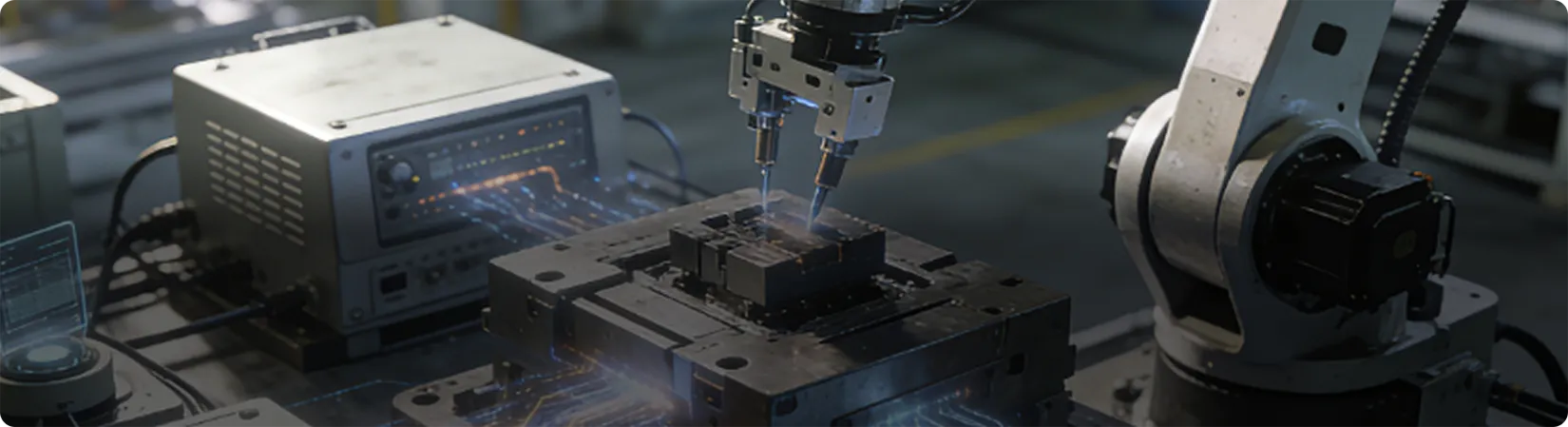
A pipelined, parallel processing architecture ensures millisecond-level latency from signal sampling to track output, enabling instantaneous capture and response to high-speed targets crossing no-fly zones.
Our platform possesses the immense computational power required for complex association calculations in high-density scenarios, maintaining unsaturated performance and uninterrupted tracking even during mass bird migrations or drone swarm attacks.
We design our platforms with significant computational redundancy and an open architecture, providing ample room for future evolution and the integration of next-generation algorithms.
One System for Multiple Scenarios, Deployed with Ease
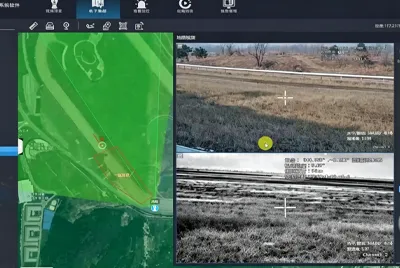
Deploying the radar for different application scenarios is as simple as adjusting parameters through a graphical user interface, drastically lowering the barrier to entry and deployment time.
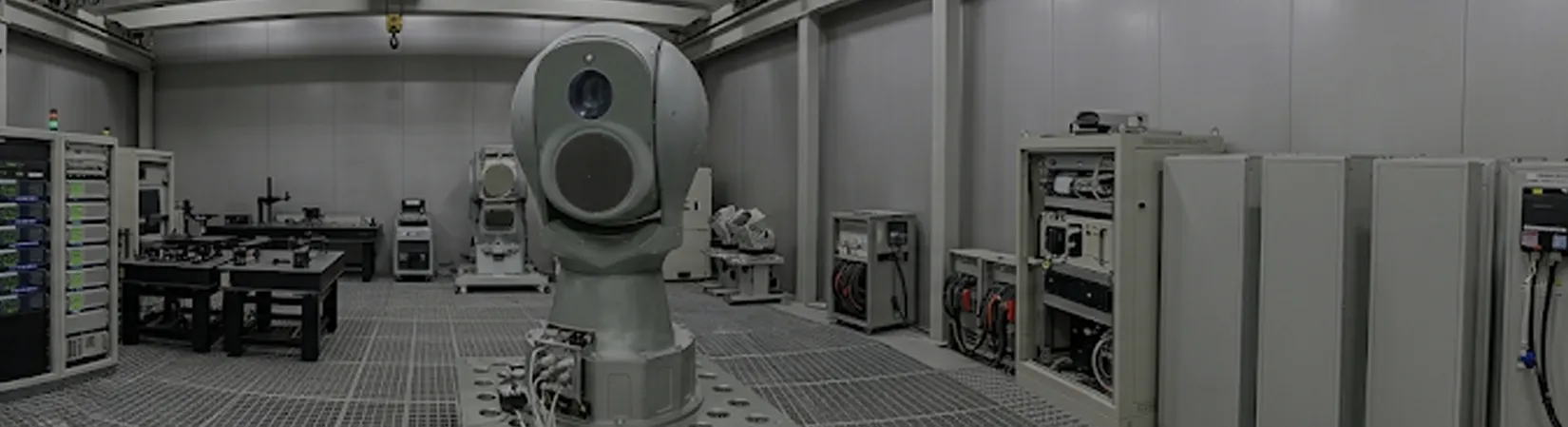
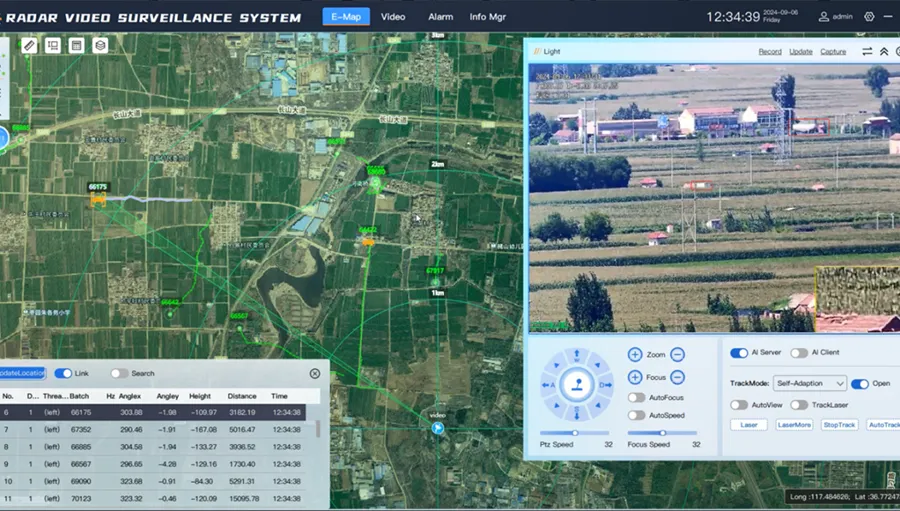
Our systems provide high-precision target location data and feature an open API, allowing them to serve as the core perception unit in a larger security ecosystem. They seamlessly integrate with PTZ cameras, effector systems, and third-party C2 platforms with plug-and-play simplicity.
From Advanced Code to Real-World Advantage
•Technology Applied: Adaptive Clutter Processing & AI Target Classification
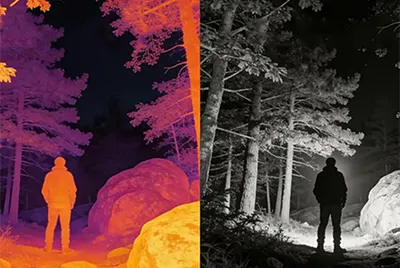
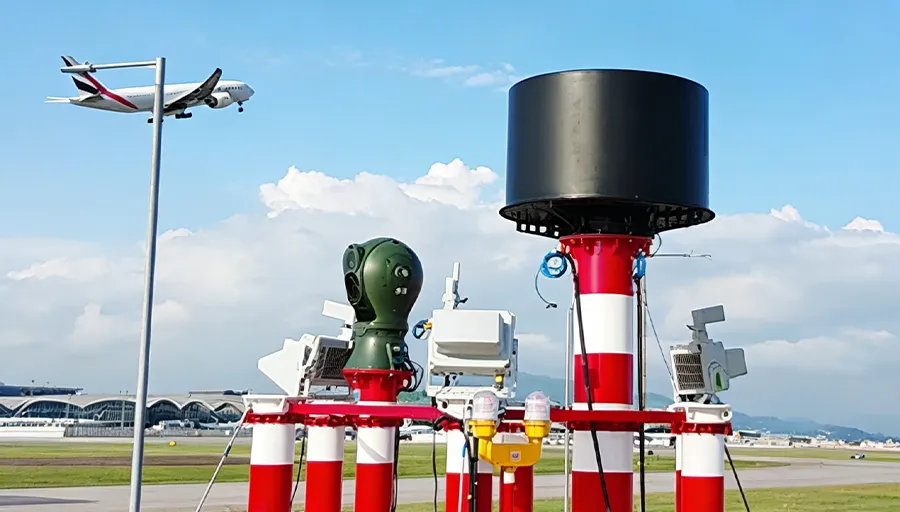
•How it Works: Our system intelligently filters out ground clutter from airport infrastructure and accurately classifies bird flocks, providing air traffic control with early warnings to prevent bird strikes, even in dense fog or at night. This capability is directly drawn from our core algorithm engine, as detailed in our technology whitepaper.
•Technology Applied: Multi-Dimensional Fusion Tracking & High-Performance Computing
•How it Works: When a drone swarm approaches a border, our radar’s high-power computing platform and advanced tracking algorithms maintain individual tracks on every single drone, providing precise data to cue countermeasures and neutralize the threat effectively, a scenario validated in multiple field tests.
•Technology Applied: Weak Signal Detection & Open Integration
•How it Works: For critical infrastructure, a stealthy, low-RCS drone attempting a low-altitude approach is detected by our sensitive weak-signal algorithms. The system instantly sends the target’s coordinates via its open API to an integrated PTZ camera for visual confirmation and to an acoustic deterrent for an automated response.
•Technology Applied: Radar-Video Fusion & Open Architecture
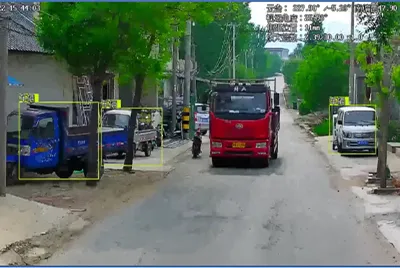
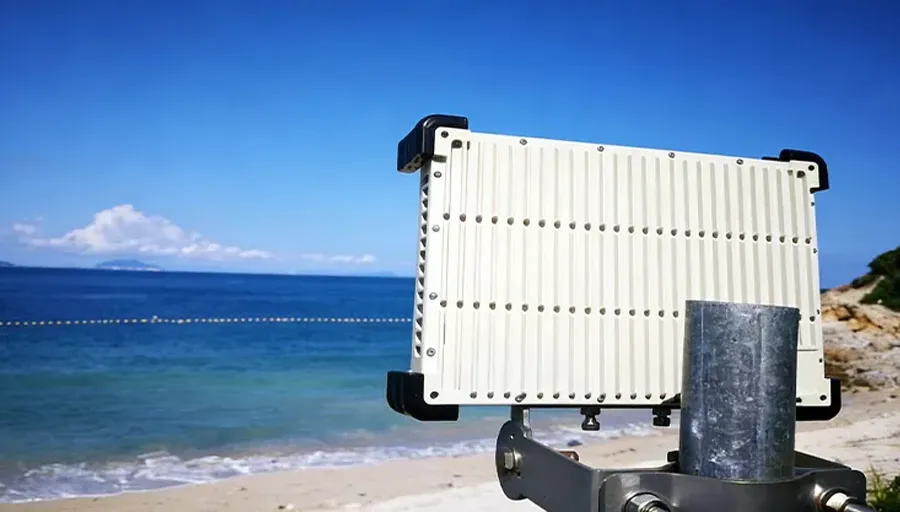
•How it Works: In urban environments, our radar acts as the primary wide-area sensor to detect anomalous activities. Its open architecture allows seamless integration with acoustic/optical deterrents and command-and-control platforms, creating a vehicle-mounted, rapid-response system for public security missions.
Our engineers are ready to dive deep into your technical requirements and demonstrate how our technology can provide a decisive advantage for your mission.
We will reply you within 24 hours. If for urgent case, please add WhatsApp/WeChat: +86 15964215221,. Or call +86 15964215221 directly.
*We respect your confidentiality and all information are protected.
We will only use your information to respond to your inquiry and will never send unsolicited emails or promotional messages.