Hệ thống hợp nhất radar-thị giác: Đạt phản hồi nhanh "tức thời" từ camera PTZ

14:41
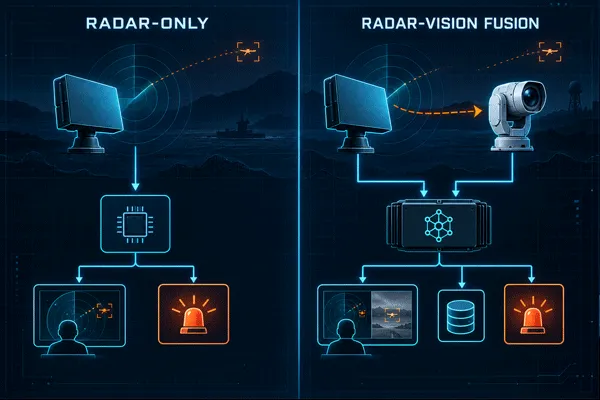
Trong các hệ thống hợp nhất radar-thị giác, radar chịu trách nhiệm "phát hiện" mục tiêu (cung cấp thông tin tọa độ), còn camera PTZ (quay-nghiêng-thu phóng) chịu trách nhiệm "nhận dạng" mục tiêu (xác nhận trực quan). Độ trễ từ lúc radar phát hiện tọa độ mục tiêu đến khi camera PTZ căn chỉnh vào mục tiêu càng thấp thì giá trị ứng dụng thực tế của hệ thống càng cao.
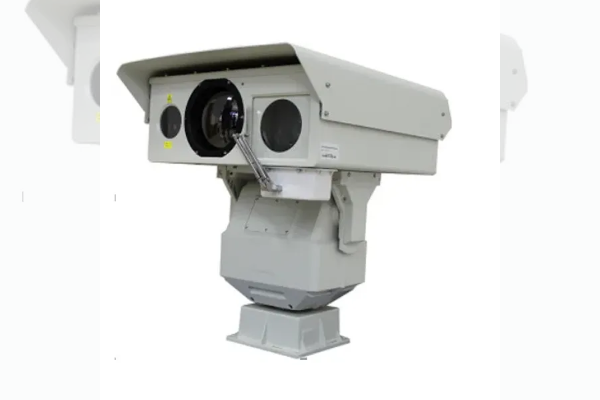
Ngoài việc lựa chọn liên kết phần cứng cơ bản, cốt lõi để đạt phản hồi nhanh nằm ở bốn công nghệ then chốt sau:
1. Tối ưu hóa liên kết truyền thông "siêu tốc"
Kết nối vật lý cơ bản quyết định giới hạn trên của tốc độ truyền dữ liệu.
- Lựa chọn giao thức giao diện: So với RS232, RS422 hoặc RS485 có khả năng truyền xa và chống nhiễu tốt hơn. Trong thiết bị tích hợp radar-thị giác, nên dùng RS422 song công toàn phần để đồng thời gửi lệnh và phản hồi trạng thái mà không tranh chấp băng thông.
- Tối ưu tốc độ baud: Mức 9600bps thông dụng có thể gây độ trễ rõ rệt với các lệnh phức tạp. Giải pháp chuyên nghiệp thường nâng tốc độ baud lên 115200bps hoặc cao hơn, bảo đảm xử lý hàng trăm lượt cập nhật tọa độ mỗi giây.
- Điều khiển qua mạng: Với hệ thống cao cấp, dùng giao thức UDP (thay cho TCP) để truyền lệnh điều khiển qua Ethernet có thể giảm thêm độ trễ do quá trình bắt tay truyền thông.
2. "Giao thức riêng" tinh gọn và hiệu quả
Các giao thức tiêu chuẩn phổ biến như Pelco-D có tính tương thích tốt nhưng thường chứa nhiều dữ liệu lệnh dư thừa.
- Tối ưu lệnh có độ dài biến đổi: Sử dụng giao thức nhị phân riêng cô đọng hơn để giảm số byte của từng lệnh.
- Điều khiển định vị tuyệt đối: Cách điều khiển truyền thống gửi lệnh tốc độ như "quay trái", có thể tạo chuyển động "chạy-dừng". Hệ thống phản hồi nhanh phải hỗ trợ truyền trực tiếp tọa độ PTZ tuyệt đối. Sau khi radar tính toán kinh độ/vĩ độ hoặc vị trí tương đối, hệ thống ánh xạ trực tiếp sang góc Pan và Tilt của PTZ, đạt định vị chính xác trong một bước.
3. Thuật toán "điều khiển servo" nội bộ PTZ
Xoay phần cứng nhanh không đảm bảo độ chính xác. Nếu không có các thuật toán mạnh mẽ, các thiết bị Pan-Tilt có thể gặp phải dao động hoặc vượt quá vị trí mong muốn.
- Điều khiển bù trước: Bộ điều khiển PTZ dự đoán vị trí của mục tiêu trong giây tiếp theo dựa trên vận tốc do radar cung cấp, cho động cơ chuyển động sớm để loại bỏ quán tính khởi động.
- Hiệu chỉnh PID động: Thuật toán PID (tỷ lệ-tích phân-vi phân) được tối ưu giúp tăng tốc êm đến tốc độ tối đa và giảm tốc đến khi dừng, tránh rung giật khi tới vị trí mục tiêu.
- Bộ mã hóa độ chính xác cao: Khi kết hợp với bộ mã hóa có số xung cao, chúng bảo đảm cụm PTZ cung cấp phản hồi vị trí chính xác theo thời gian thực (khuyến nghị tần số phản hồi từ 50Hz trở lên).
4. Hợp nhất "tại biên" trong kiến trúc hệ thống
Kẻ thù lớn nhất của tốc độ phản hồi là một "vòng xử lý quá dài".
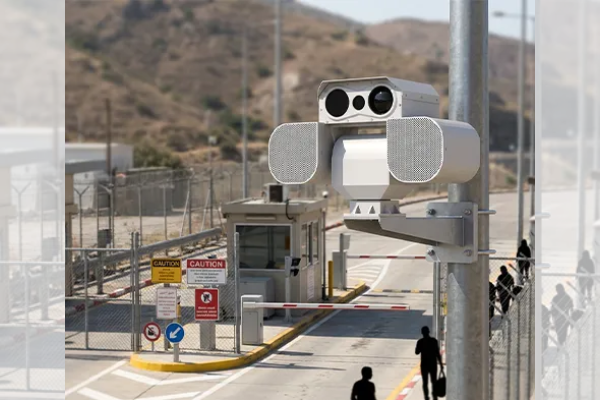
- Ra quyết định cục bộ: Tránh truyền dữ liệu radar về máy chủ backend để xử lý rồi mới phát lệnh cho PTZ. Thay vào đó, thực hiện chuyển đổi tọa độ (GCS sang hệ tọa độ PTZ) và phát lệnh ngay tại biên của thiết bị tích hợp radar-thị giác.
- Đồng bộ tần số: Tốc độ làm tươi của radar (thường 10Hz-20Hz) và tần số điều khiển PTZ cần được bù nội suy. Làm mượt tín hiệu radar bằng thuật toán giúp PTZ không bị giật do dữ liệu radar dao động.
Kết luận: Danh mục kiểm tra khi lựa chọn PTZ hợp nhất radar-thị giác
Nếu đang phát triển hoặc lựa chọn hệ thống hợp nhất radar-thị giác, bạn nên tập trung vào các thông số sau:
| Hạng mục |
Yêu cầu chuyên môn |
Giá trị cốt lõi |
| Giao diện vật lý |
RS422 song công hoặc Ethernet Gigabit Gigabit Ethernet |
Bảo đảm truyền dữ liệu hai chiều không xung đột |
| Tần số truyền thông |
Tần số cập nhật lệnh? 25Hz |
Bảo đảm bám hình ảnh mượt mà |
| Phương thức điều khiển |
Hỗ trợ định vị góc tuyệt đối (P/T tuyệt đối) |
Loại bỏ quay vô hướng, ngắm mục tiêu chính xác |
| Cơ chế phản hồi |
Phản hồi vị trí thời gian thực tốc độ cao |
Cung cấp dữ liệu cho điều khiển vòng kín |
Nhận định cuối:
Phản ứng nhanh không chỉ đơn giản là "tốc độ quay động cơ nhanh"; nó là sự phối hợp chính xác giữa băng thông truyền thông, hiệu quả giao thức và các thuật toán điều khiển chuyển động. Bằng cách tối ưu hóa các liên kết vật lý và tích hợp thuật toán chuyển đổi tọa độ tại biên, các hệ thống hợp nhất radar và tầm nhìn có thể thực sự đạt được khả năng 'chỉ và bắn', cho phép khóa mục tiêu trong chưa đầy một giây.
Sẵn sàng nâng cao năng lực giám sát của bạn?
Liên hệ MidRadar để nhận giải pháp hợp nhất tầm nhìn radar tùy chỉnh.