Introdução
Quando um planejador de segurança encontra pela primeira vez a tecnologia de contra-reconhecimento, o instinto é perguntar: “Qual sistema detecta mais?” Mas o alcance de deteção raramente é o fator decisivo entre as variantes fixas e montadas em veículos. A verdadeira questão é: “Onde está a ameaça e onde você estará quando precisar responder a ela?”
Sistemas de contra-reconhecimento fixos e montados em veículos compartilham a mesma tecnologia subjacente - sondagem ativa a laser, deteção de efeito olho de gato, cobertura de varrimento de 360°, supressão de ofuscamento de 530 nm. O que difere é tudo em torno dessa capacidade central: como o sistema é instalado, com que rapidez ele pode ser reposicionado e quais contextos operacionais ele lida bem ou mal.
O que os sistemas fixos fazem melhor
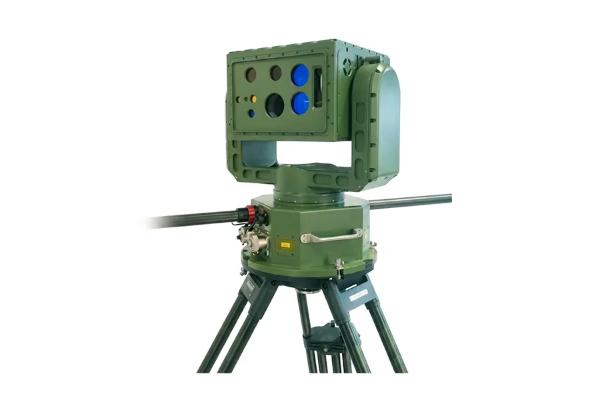
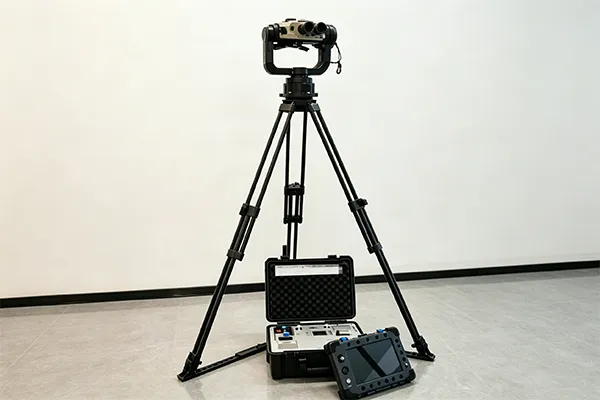
Um sistema fixo de contra-reconhecimento como o FinderPro-X foi projetado com um propósito: fornecer cobertura contínua, autônoma e de longo alcance de uma zona de proteção definida a partir de um ponto de instalação estável.
A vantagem da plataforma é a estabilidade. Uma montagem fixa elimina a vibração induzida pelo veículo e a incerteza de posição que afetam os sistemas móveis, permitindo que o conjunto de sensores opere com sensibilidade e precisão de geolocalização máximas (melhor que 20 m em 1 km). Combinados com a capacidade de conectar várias unidades em rede em uma imagem de comando compartilhada, os sistemas fixos são a escolha padrão para proteção permanente de instalações.
Os sistemas fixos são mais adequados quando:
- O ativo protegido é estacionário — uma base militar, um complexo governamental, um local de evento
- A ameaça vem de fora de um perímetro definido que pode ser pré-pesquisado
- 24/7 operação autônoma é necessária sem operadores dedicados por turno
- é possível ligar várias unidades em rede para proporcionar cobertura sobreposta de um perímetro complexo
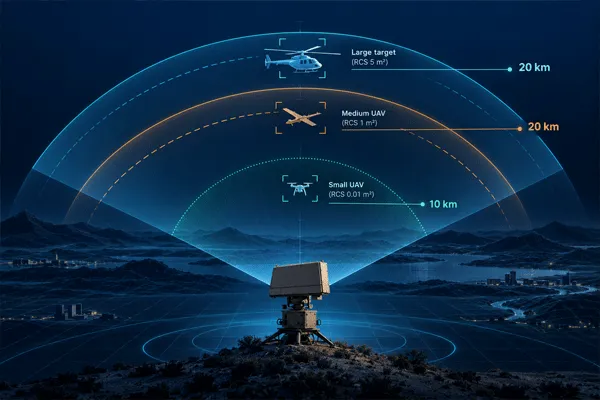
- O alcance de deteção é uma prioridade (até 2.000 m vs. 1.000 m para montagem em veículo)
A limitação de um sistema fixo é óbvia: ele não pode acompanhar o ativo quando ele se move. Um alto funcionário protegido por um sistema fixo em seu complexo fica desprotegido no momento em que seu comboio parte.
O que os sistemas fixos fazem melhor
O que os sistemas montados em veículos fazem melhor
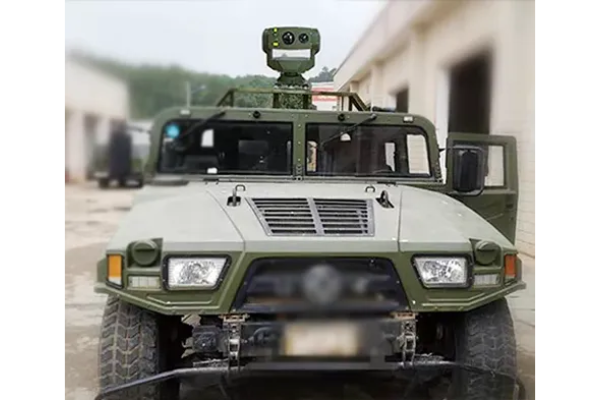
O FinderPro-M foi projetado em torno de um requisito operacional fundamentalmente diferente: manter a capacidade de contra-reconhecimento enquanto o ativo protegido está em movimento.
Operando em velocidades acima de 80 km/h, o FinderPro-M verifica continuamente o arco completo de 360° ao redor da plataforma móvel do veículo - detectando, geolocalizando e suprimindo ameaças ópticas ao longo da rota em tempo real. Não há pausa na cobertura durante o trânsito, nenhum ponto cego ao virar e nenhuma lacuna entre zonas de proteção de locais fixos.
Os sistemas montados em veículos são mais adequados quando:
- O ativo protegido está em movimento - cortejos VIP, operações de comboio, plataformas de comando móveis
- As rotas de trânsito urbano expõem o diretor a múltiplas posições de observação potenciais que não podem ser fisicamente protegidas com antecedência
- É necessária uma implementação rápida — o sistema se move com o veículo e não precisa de preparação do local
- A ameaça é dinâmica — os observadores adversários podem se reposicionar ao longo da rota em vez de ocupar um local fixo
A desvantagem é o alcance de deteção: o FinderPro-M cobre observadores até 1.000 m (vs. 2.000 m para FinderPro-X), e a plataforma móvel introduz variabilidade no ciclo de varrimento que instalações fixas evitam.
O que os sistemas montados em veículos fazem melhor
A abordagem integrada: cenários de proteção mais exigentes
Os cenários de proteção mais exigentes não são “fixos ou móveis” – são “fixos e móveis”. Uma visita de estado, por exemplo, requer cobertura de sistema fixo no local de chegada e no complexo de alojamento, além de cobertura montada em veículo para cada segmento de trânsito entre eles. Um comandante militar requer cobertura fixa em seu quartel-general e cobertura montada em veículos ao se deslocar entre bases
Nestes cenários, os dois tipos de plataforma se complementam diretamente:
- Sistemas fixos estabelecem o envelope de proteção em locais estáticos e conhecidos
- Os sistemas montados em veículos mantêm esse envelope durante o trânsito entre pontos fixos
- Sistemas portáteis (FinderPro-P) fornecer equipa avançada e cobertura de proteção aproximada em paradas não planejadas ou locais secundários
Para obter um exemplo prático de como essa abordagem integrada funcionou em uma implementação real, consulte o estudo de caso de proteção de cúpula governamental.
Estrutura de decisão
| Critérios |
Corrigido (FinderPro-X) |
Montado em veículo (FinderPro-M) |
| Mobilidade de ativos |
Estacionário |
Mudança |
| Alcance máximo de deteção |
2.000 m |
1.000 m |
| Velocidade operacional |
- (estático) |
≥80 km/h |
| Tempo de implementação |
Horas (é necessária preparação do local) |
Minutos (instalado no veículo) |
| Operação autônoma |
Sim, 24/7 |
Requer tripulação do veículo |
| Instalação em rede |
Sim (unidades múltiplas) |
Não aplicável |
| Caso de uso principal |
Perímetro da instalação, local do evento |
Carreata, comboio, patrulha |
Se sua principal preocupação for um ativo fixo – um edifício, um perímetro, um local – comece com o sistema fixo. Se a sua principal preocupação for uma pessoa ou um ativo em trânsito, o sistema montado no veículo é a base certa. Se ambos se aplicarem, você precisará de ambos.
Explore toda a gama de sistemas
O Catálogo de Sistemas Anti-Reconhecimento compara as cinco variantes FinderPro - fixa, montada em veículo, portátil, multiespectral, e interior - por alcance de deteção, tempo de implantação e perfil de missão.
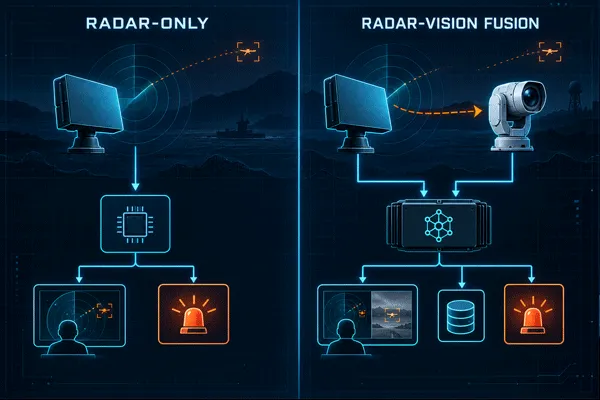
Explore a Página da solução de Segurança Pública e Antiterrorismo sobre como a capacidade de contra-reconhecimento se integra com o radar, câmera EO/IR, e com sistemas acústicos de dissuasão numa arquitetura completa de segurança pública.



 09:31
09:31