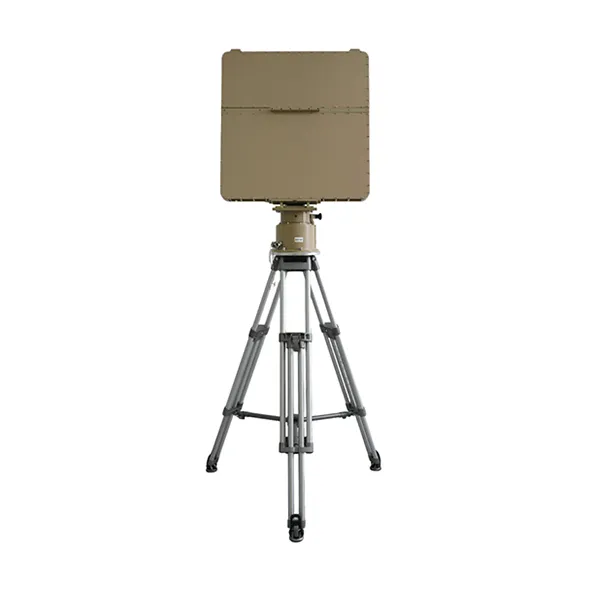
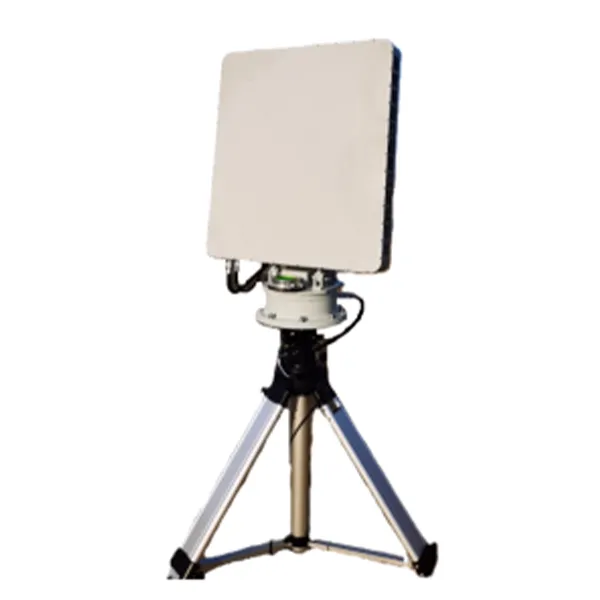
Wide Detection Range
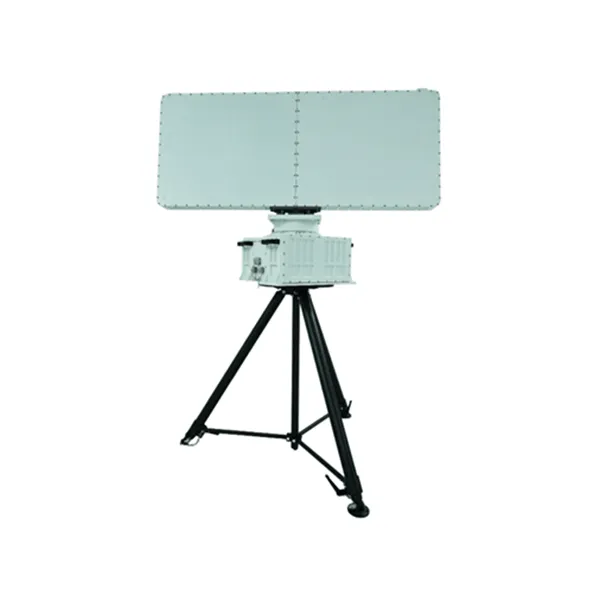
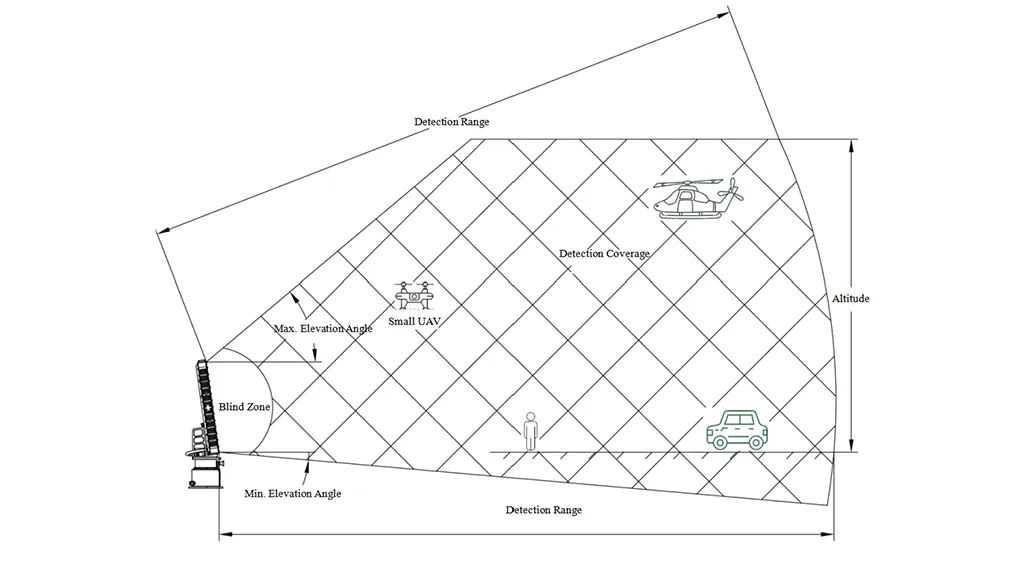
The radar employs DBF technology and leverages a high-performance signal processor to simultaneously detect up to 500 targets within a 360°azimuth and 65°elevation range, effectively handling complex wide-area, multi-target scenarios.
Forte Tracking Capability
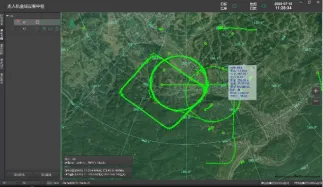
By employing advanced tracking and filtering algorithms, the system significantly enhances target tracking capabilities. In scenarios such as multi-target motion intersections, target trajectories remain stable and continuous without being affected.
Excellent Small-Target Detection Performance
Using the Frequency Modulated Continuous Wave (FMCW) system, it avoids the abrupt signal-to-noise ratio(SNR) changes caused by waveform handover in pulse radar, ensuring continuous detection of extremely small targets (such as the DJI Mini 3, weight <250g) at all elevation angles.
Haut Level of Intelligence
Utilizing fine clutter suppression technology combined with machine learning-based AI algorithms, it learns environmental features in real time. While effectively filtering out environmental clutter, it precisely extracts weak target signals and performs feature extraction, maintaining a very low false alarm rate in complex backgrounds, and enabling effective identification of drone and bird targets.
Strong Ground / Sea Clutter Rejection
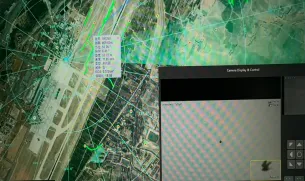
Featuring excellent target visibility in high-clutter environments, the radar enables stable, continuous tracking of ultra-low-altitude moving targets against complex urban backgrounds, including long-range tracking of drones flying at altitudes as low as 20 m above densely built-up areas. When deployed in coastal environments, the radar maintains reliable performance under Sea State 3, enabling the simultaneous detection and independent tracking of both vessels and drones flying close to the sea surface. (g., Drones flying at 30–50 m above the sea surface can be reliably tracked under normal operating conditions.)
Excellente UNnti-Electromagnetic Interception Performance
As an ultra-low probability of intercept radar, it operates in a CWmode with low transmit power. Compared to pulsed radars, the risk of electromagnetic interception is significantly reduced, with the interception range by anti-radar equipment being only 1/5 of that of pulsed radars of equivalent power. It demonstrates outstanding anti-interference and concealment performance.
Faible Operational Difficulty
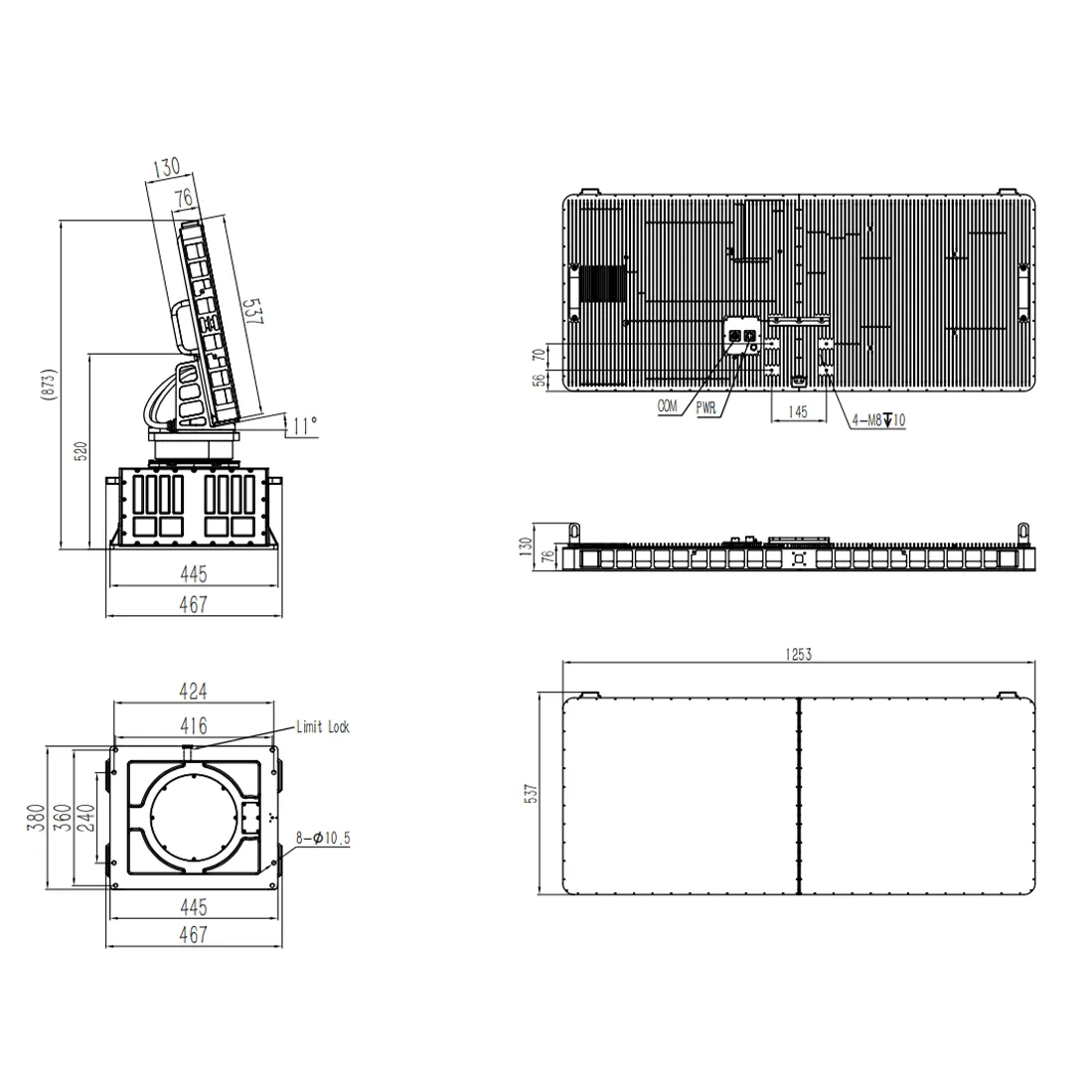
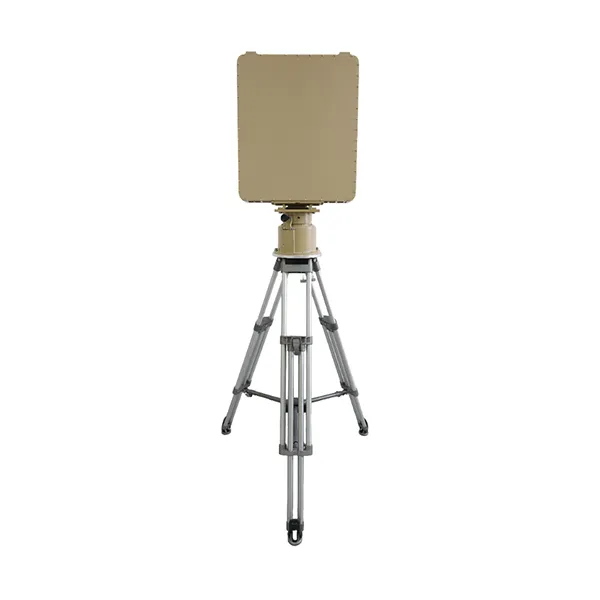
Featuring lightweight and compact structural design, it enables rapid deployment and retraction, as well as highly mobile positioning. The user interface is friendly and operation is simple and intuitive. Adaptive processing is employed at the algorithm level, eliminating the need for excessive parameter settings, allowing for quick mastery.