Integrated Counter-UAV Solution

Integrated Counter-UAV Solution

A Complete Detect, Track, Identify, and Neutralize Airspace Security System

An integrated C-UAS system combining drone detection, threat assessment, mitigation dispatch, and full-event traceability — delivering a controllable, auditable counter-drone defense loop.

Drone Detected — What Happens Next?

For most Counter-UAV events, the real challenge is not only detection, but what happens after detection.

  • No Unified Response Workflow, Causing Chaotic Response

    Detection devices may belong to one department, mitigation devices to another, and command notifications to a separate system. When a UAV intrusion actually occurs, information between teams may not be synchronized, the response rhythm becomes chaotic, and the critical response window is lost during communication.

  • Concern About Misoperation, Leading to Delayed Response

    The coverage range of electronic interference, the boundary of operational authorization, and the potential impact on nearby facilities may cause command personnel to hesitate at critical moments. Without a clear confirmation mechanism and operational protection, mitigation devices may not be effectively used.

  • No Evidence After the Event, Making Review Difficult

    Without track records, operation logs, or timeline reports, it becomes difficult to reconstruct the intrusion process, evaluate the response result, report to higher-level management, or provide evidence for external review.

  • Fragmented Device Management Makes Multi-Zone Coordination Difficult

    In many protected sites, radar, RF detection, electro-optical tracking, mitigation devices, and security platforms may come from different systems or suppliers. Without unified access and centralized management, operators may need to switch between multiple interfaces during an event, making it difficult to coordinate devices across different zones and reducing overall response efficiency.

Closed-Loop Workflow

A Six-Stage Defense Loop from Detection to After-Action Review

  • 01
    Solution

    Step 1 — Detection

    Radar, RF Detection, and radio monitoring operate in parallel. Once any detection source is triggered, the follow-up process starts.

  • 02
    Solution

    Step 2 — Identification

    Electro-optical devices link and track the target. AI-assisted analysis evaluates target appearance and behavior, outputting target attribute reference information.

  • 03
    Solution

    Step 3 — Assessment

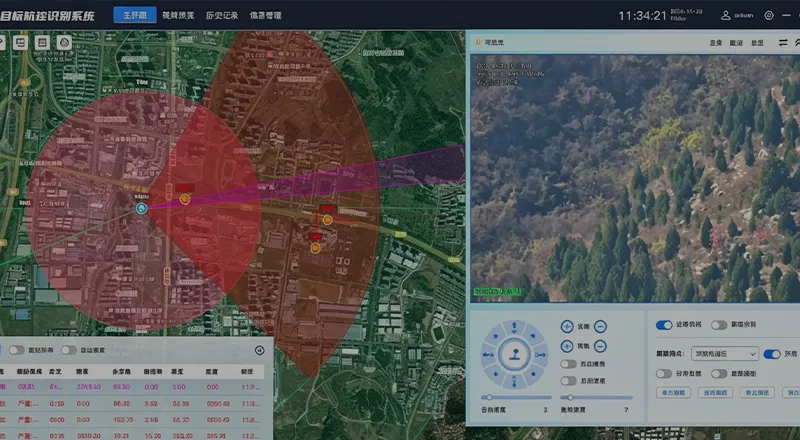
    The C2 platform integrates target position, type, and track, matches whitelist / blacklist and no-fly zone rules, and outputs a reference threat level.

  • 04
    Solution

    Step 4 — Response

    The platform pushes response recommendations. After confirmation and authorization by the command operator, suitable Drone Mitigation equipment is dispatched to execute the operation.

  • 05
    Solution

    Step 5 — Control

    The response process is monitored in real time. Commands can be stopped or adjusted at any time to keep the operation within a controllable range.

  • 06
    Solution

    Step 6 — Review

    The full event process is automatically archived, generating a complete event report including track replay, operation logs, and response results.

Integrated Counter-UAV

The Core of Integrated Counter-UAV: Not Just Equipment, but Unified Command and Dispatch

Many organizations have already purchased detection devices or mitigation devices, but still cannot respond effectively to UAV threats. The root cause is not the number of devices, but the lack of coordination between devices and the lack of control over the response process. Graded Response for Different Threat Scenarios:

  • Threat Level: Low Risk

    Assessment Basis: Flight track is compliant, with no abnormal behavior Recommended Response: Continue tracking and recording without active intervention

  • Threat Level: Medium Risk

    Assessment Basis: Enters alert zone, identity unconfirmed, or flight behavior is abnormal Recommended Response: Trigger alert, notify security teams to stand by, and push information to the command terminal for assessment

  • Threat Level: High Risk

    Assessment Basis: Enters no-fly zone or is confirmed as a known threat target Recommended Response: Platform pushes response recommendation; after command authorization, RF Jamming or directional suppression can be activated

  • Threat Level: Emergency Response

    Assessment Basis: Multiple targets or emergency plan threshold triggered Recommended Response: Activate preset emergency plan and link the command platform with on-site response teams

System Architecture

Six-Layer Architecture Supporting the Full C-UAS Defense Chain

Multi-Sensor Detection Layer

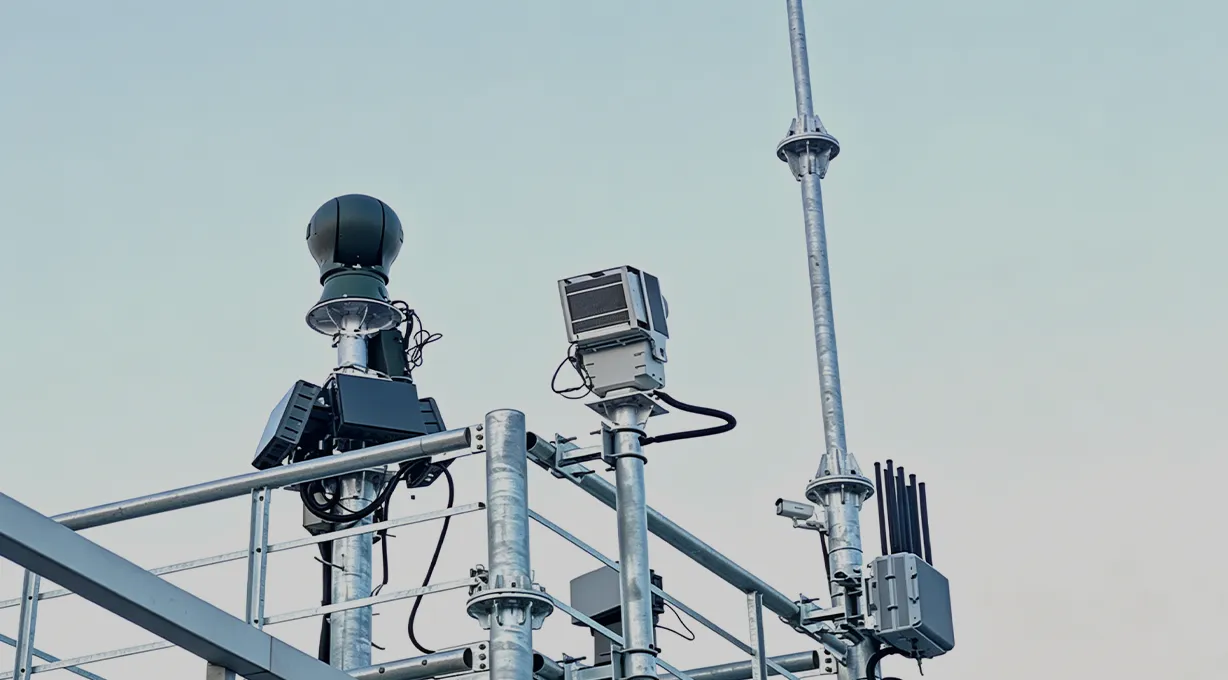
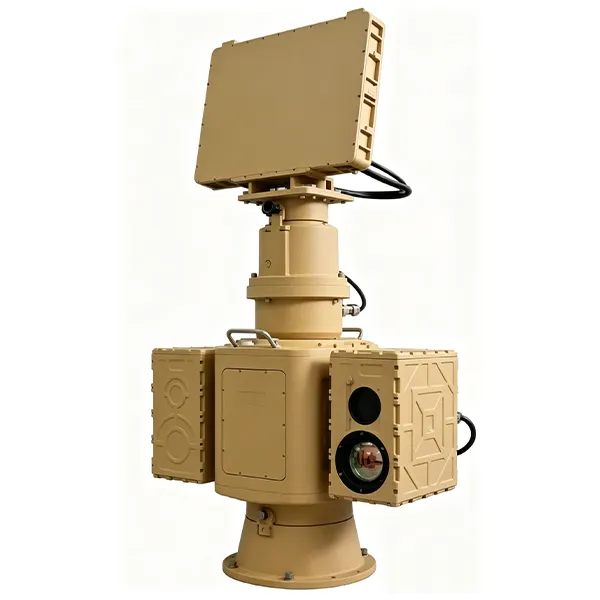
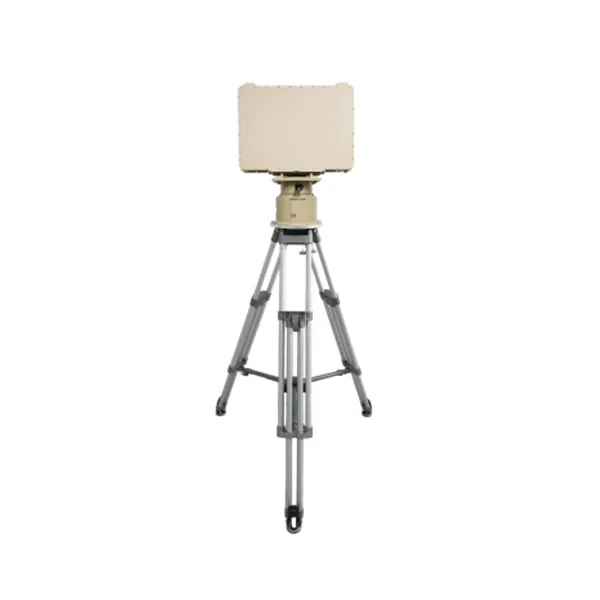
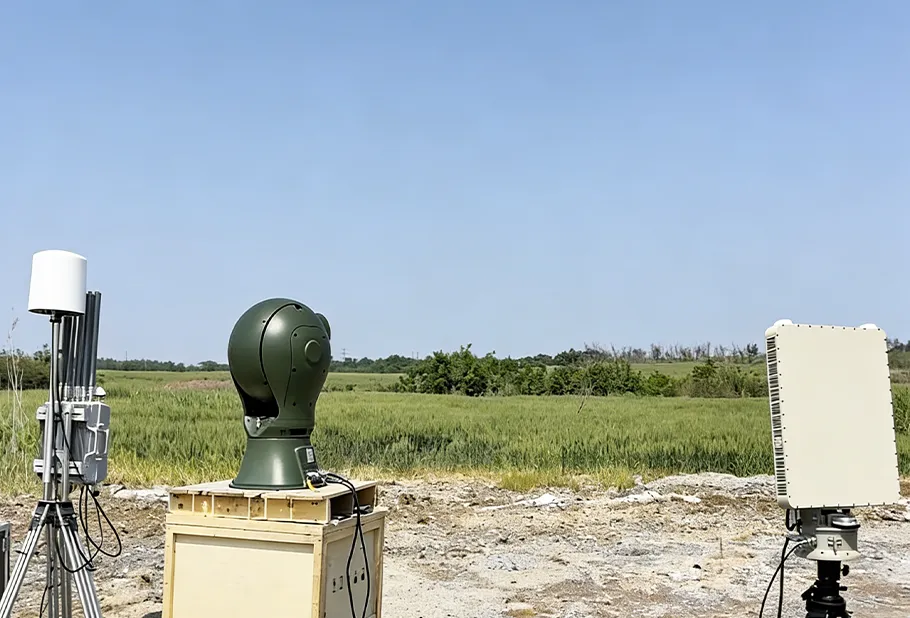
Low-altitude surveillance radar provides wide-area airspace coverage and target tracks. RF Detection captures communication signals between UAVs and remote controllers. Radio monitoring analyzes the frequency bands and communication protocols used by targets. These three detection methods complement each other and help reduce missed detection risk in complex environments.

Low-Altitude Surveillance Radar

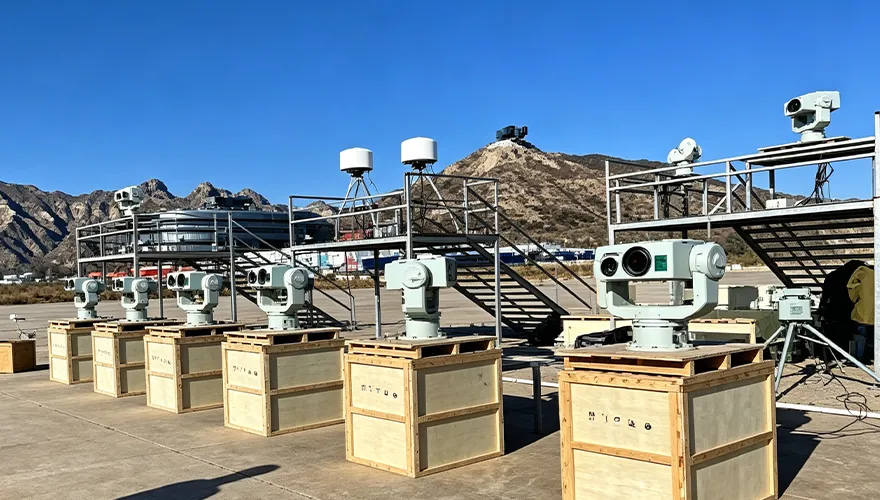
Electro-Optical Identification Layer

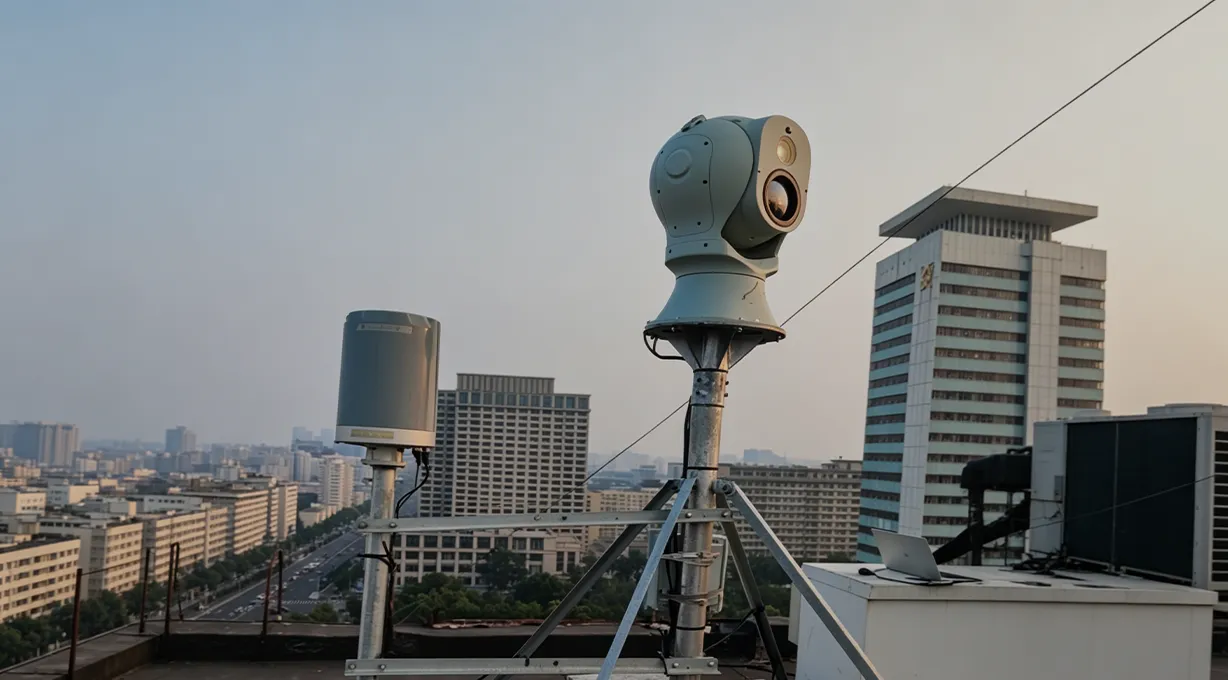
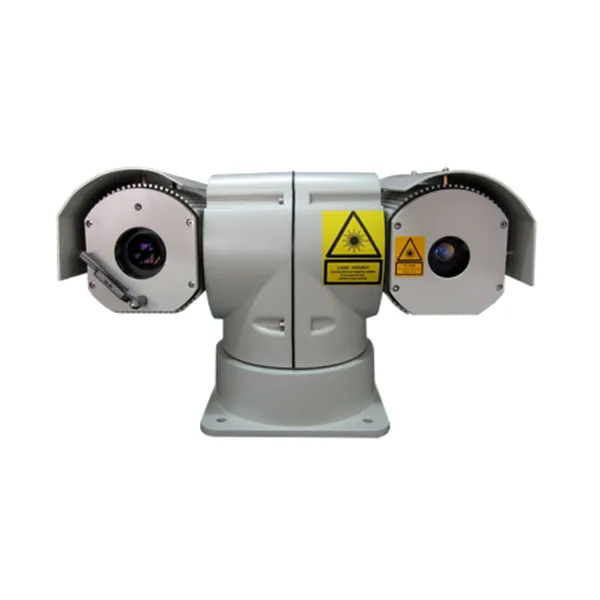
Electro-optical tracking devices receive detection guidance and automatically turn toward the target. Visible-light or infrared imaging is used to obtain target images. The AI-assisted recognition module analyzes appearance features and flight behavior, outputting target attribute reference information for the assessment layer.

Electro-Optical Tracking System

Threat Assessment Engine

The platform integrates target position, type, and flight behavior, matches whitelist / blacklist and no-fly zone rules, and outputs threat level references and corresponding response recommendations. Level rules can be flexibly configured according to different protection scenarios.

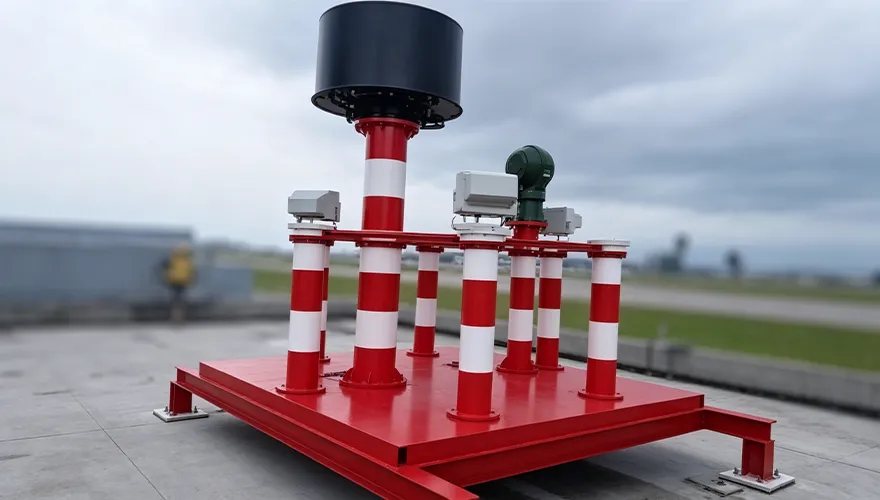
Acoustic-Optical Alarm and On-Site Linkage Devices

Unified C2 Platform

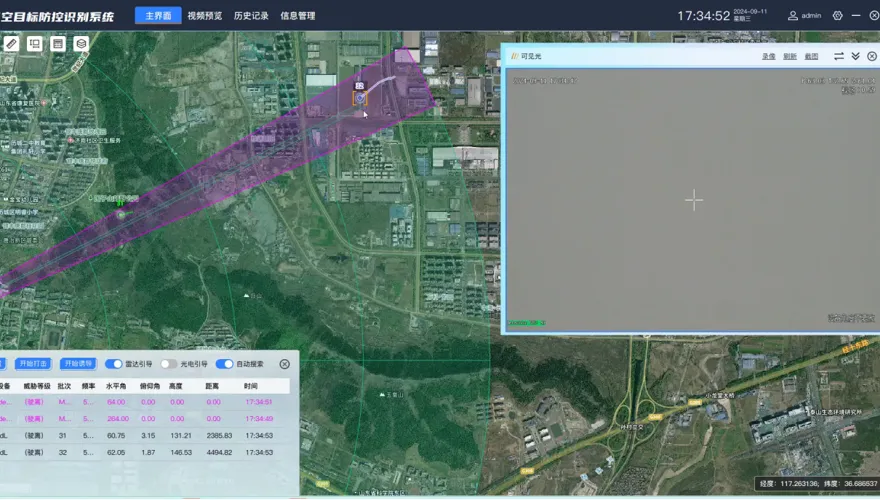
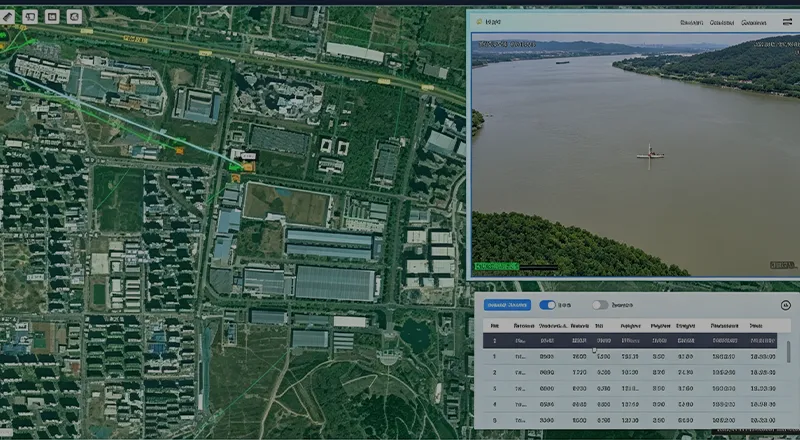
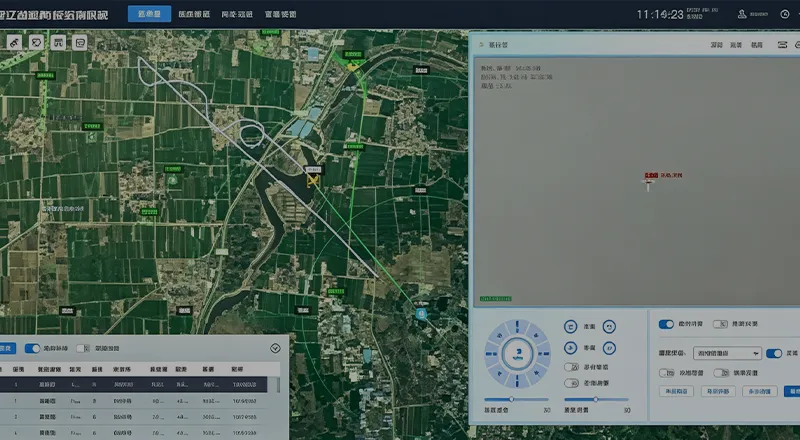
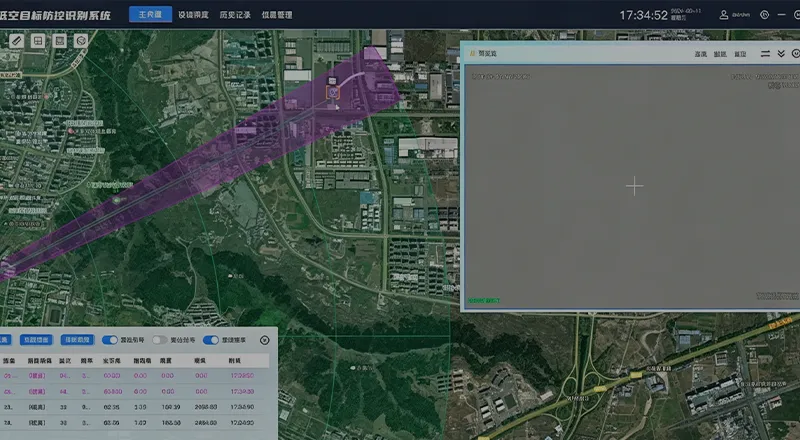
All detection devices and mitigation devices are connected to one unified platform. The platform displays the overall situation on an electronic map, supports multi-zone management and cross-site command, and reduces response delays caused by cross-system operations.

Low-Altitude Situational Awareness Platform

Mitigation Execution Layer

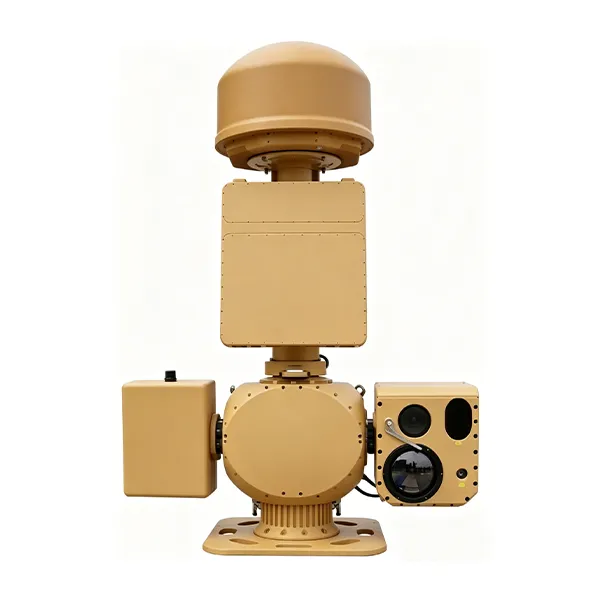
The system supports multiple Drone Mitigation methods, including RF Jamming, GNSS Spoofing, directional suppression, acoustic-optical warning, and security linkage. All operations must be authorized before execution. The response process is monitored in real time and can be stopped at any time.

Radar-Optical Electronic Sentinel

Event Logging & After-Action Review Layer

The system automatically saves the complete event chain, including first detection time, identification and assessment results, authorization records, and response evaluation. It supports track replay, log export, and report generation for internal review and external audit requirements.

Event Logging & After-Action Review Layer

Multi-Sensor Detection Layer

Electro-Optical Identification Layer

Threat Assessment Engine

Unified C2 Platform

Mitigation Execution Layer

Event Logging & After-Action Review Layer

Typical Application Scenarios

Designed for High-Risk Scenarios Requiring Rapid Threat Assessment and Active Response

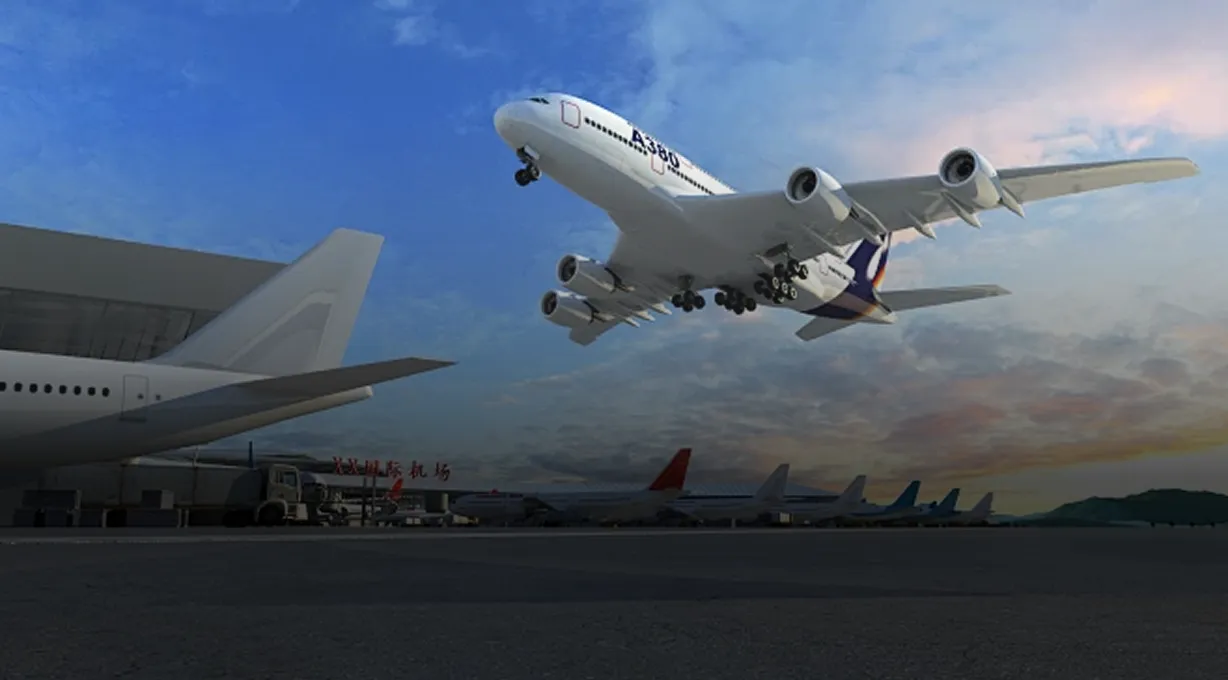
Airport Perimeter Security

Unauthorized UAV activity may directly affect flight safety, requiring a fast full-process response from detection to mitigation. The system provides a complete closed-loop capability from Drone Detection to Mitigation, with full operation logs to meet airport airspace management requirements for response speed and traceability.

Major Event Perimeter Deployment

Critical Event Security

Large events usually involve concentrated protection periods and diverse risk types, requiring multi-zone coordination and rapid response. The system supports temporary deployment, multi-zone joint command, full operation recording, and complete post-event review.

Perimeter Protection

Restricted Government Facilities

UAV reconnaissance may create information security risks for restricted sites. The system provides active low-altitude protection over the site airspace, supporting assessment and response before a target enters sensitive areas.

Power, Petrochemical, and Energy Bases

Correctional Facilities

UAV delivery of prohibited items is a major challenge for correctional facility management. The system provides real-time monitoring over the facility airspace, triggers graded response when abnormal targets are detected, and records the full response process to support security event traceability.

Parks and Industrial Facilities

Critical Power and Energy Infrastructure

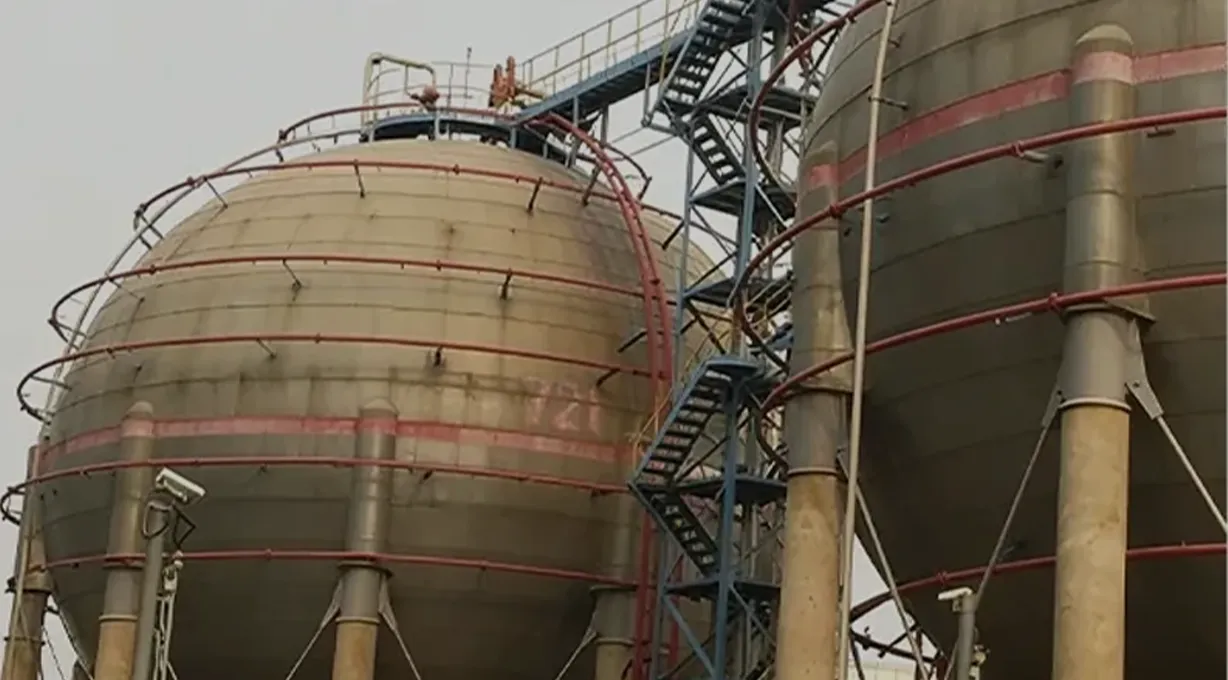
Substations, petrochemical storage tanks, and other critical facilities require active protection capability. The system can intervene before a target approaches sensitive areas, using C-UAS capability to reduce the risk of UAV interference or disruption.

Prisons, Detention Centers, and Confidential Facilities

Multi-Zone Integrated Defense

Joint protection across multiple zones requires unified command and dispatch. The system supports multi-site networking and centralized management, allowing one C2 platform to monitor multiple protected zones and coordinate detection and response resources across regions.

  • Airport Perimeter Security
  • Critical Event Security
  • Restricted Government Facilities
  • Correctional Facilities
  • Critical Power and Energy Infrastructure
  • Multi-Zone Integrated Defense

Coordinated Deployment Forms

Fixed, Vehicle-Mounted, and Man-Portable — All Under One C2 Platform

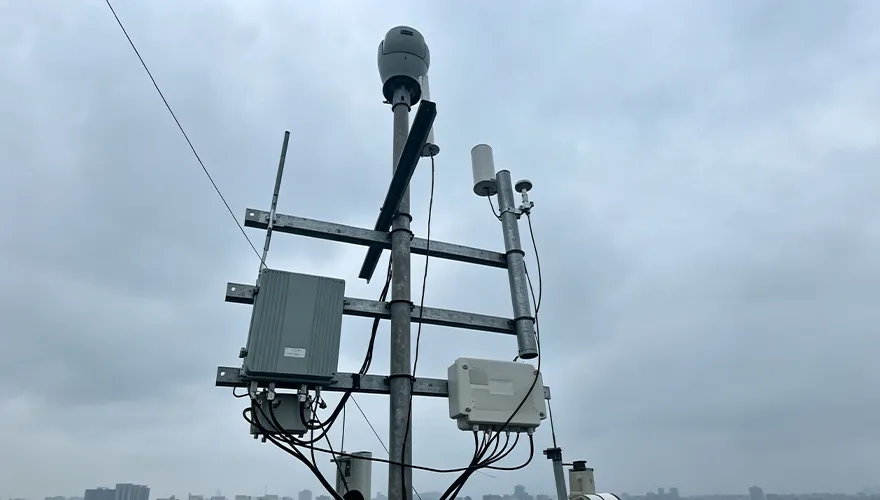
  • Fixed Installation

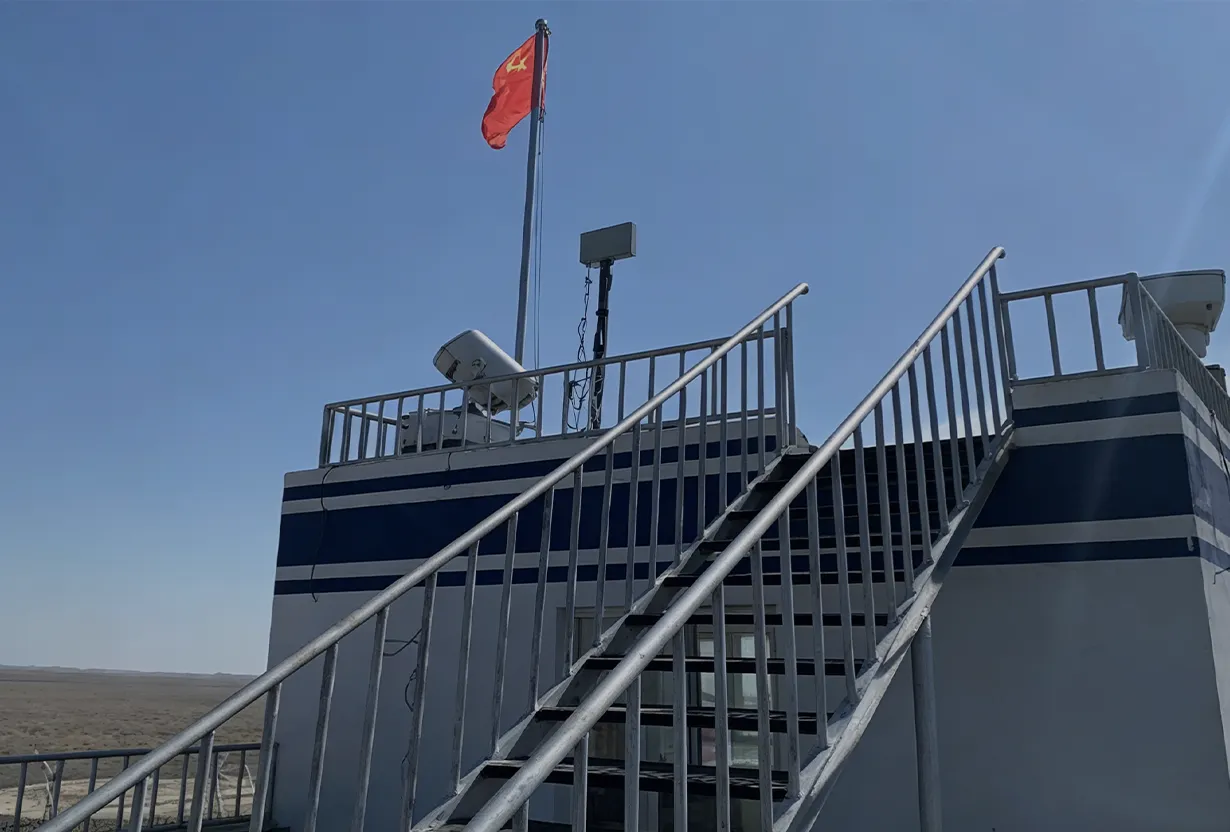
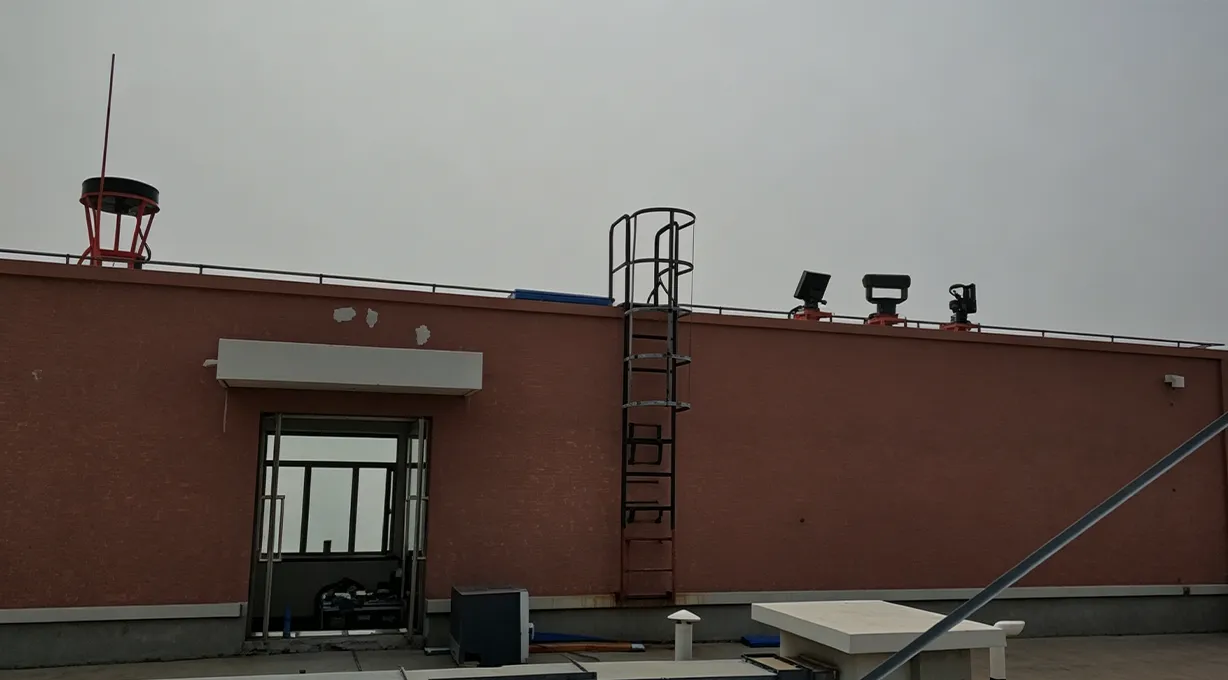
    Installed on rooftops or dedicated sites, the fixed system provides continuous sensing and response capability for core areas and serves as the main node of the overall defense system. It is suitable for airports, key facilities, energy bases, and other sites requiring long-term fixed protection.

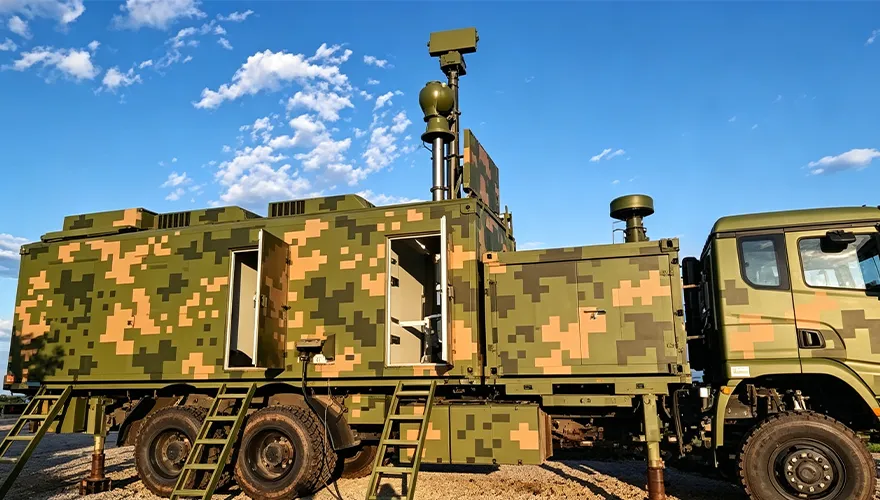
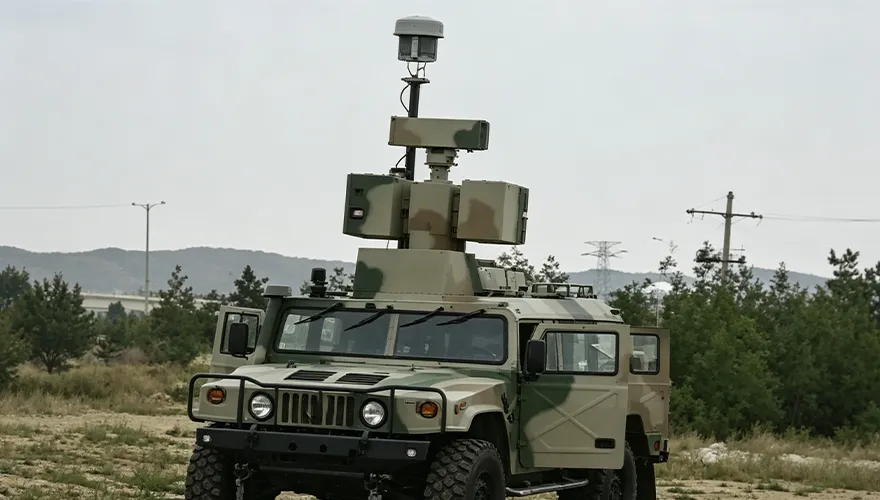
  • Vehicle-Mounted C-UAS

    Integrated into dedicated vehicles, the vehicle-mounted system can quickly move to areas requiring enhanced protection and act as a mobile response force. It is suitable for temporary major event security and emergency reinforcement, working together with fixed systems to expand coverage.

  • Man-Portable C-UAS

    Carried by field personnel, man-portable devices can conduct close-range confirmation or terminal response under the guidance of the C2 platform. Response results are returned in real time and included in the event record. This form is suitable for terminal response and rapid-response teams in crowded areas.

  • Unified Management of All Three Forms

    All deployment forms are connected to the same C2 platform. Command operators can view the position and status of all devices in real time and issue detection and response commands uniformly, avoiding coordination failure caused by scattered multi-system management.

Solution Advantages

Key Risks This Solution Is Designed to Reduce

Reduced Missed Detection Risk

Reduced Missed Detection Risk

Multi-source detection, including radar, RF Detection, and optical sensing, complements each other. If one sensing method is limited, the overall sensing capability remains available, helping improve UAV discovery probability in complex environments.

Reduced False Alarm Interference

Reduced False Alarm Interference

Electro-optical image confirmation combined with AI-assisted analysis provides secondary verification of sensor-detected targets, helping reduce false alarms and avoid unnecessary consumption of response resources.

Controlled Misoperation Risk

Controlled Misoperation Risk

All mitigation operations require human confirmation and authorization. The system records the operator and timestamp for every authorization, while the response process can be stopped at any time, ensuring that the command operator maintains control over the full operation.

Compliance Evidence Support

Compliance Evidence Support

The full event process is automatically recorded, including detection data, assessment basis, response authorization, and result evaluation. This helps support internal review and external compliance evidence requirements.

Reduced Device Isolation

Reduced Device Isolation

The unified C2 platform connects all detection and mitigation devices, reducing information synchronization problems caused by scattered multi-system management and lowering response delays caused by cross-system operations.

Frequently Asked Questions

  • What is the difference between an Integrated Counter-UAV System and a Low-Altitude Defense System?

    The Low-Altitude Defense System is the basic sensing layer for regional low-altitude security. It focuses on continuous monitoring, early warning, and unattended alerting, and does not include active mitigation capability. The Integrated Counter-UAV System adds a complete closed-loop capability from assessment to response, making it suitable for high-risk scenarios that require active intervention against UAV intrusion. The two systems can be deployed together: Low-Altitude Defense covers routine monitoring, while the Integrated Counter-UAV System handles emergency response.

  • Does the system support automatic mitigation? How is operational safety ensured?

    By default, the system uses a “human confirmation before execution” mode. After the platform completes assessment, it pushes response recommendations to the command operator, and mitigation operations can only be started after authorization. The system can also support rule-triggered response for specific threat levels within defined no-fly zones, but this is recommended only after sufficient testing and legal compliance assessment, with clearly limited trigger conditions.

  • Will RF Jamming affect nearby normal communication facilities?

    The coverage range and direction of directional interference devices are controllable, and with proper configuration, impact on non-target areas can be limited. Omnidirectional interference devices have wider coverage, so the surrounding communication environment should be evaluated before use. Our technical team can provide interference coverage assessment during project deployment to help define safe usage procedures.

  • Does the use of Drone Mitigation Equipment need to comply with local regulations?

    Yes. The use of UAV mitigation equipment is subject to different levels of legal restriction in different countries and regions, and some operation methods may require relevant qualifications or authorization. Customers are advised to consult local radio management authorities or legal advisors before deployment to clarify compliance boundaries. Our team can provide reference materials, but final legal compliance judgment is the responsibility of the customer.

  • How does the system reduce mutual interference when multiple devices operate at the same time?

    When dispatching response devices, the C2 platform considers the coverage area and operating frequency of each device to reduce the risk of same-frequency interference between multiple devices. Specific frequency coordination plans are developed by the technical team during project deployment based on the actual device configuration.

  • How are fixed, vehicle-mounted, and man-portable systems coordinated?

    All three deployment forms are connected to the same C2 platform. Command operators can view the position and status of all devices in real time and issue detection and response commands uniformly. Flexible dispatch is supported by protection zone, device type, and threat level.

  • Can event response logs support compliance review or legal evidence?

    The system event recording module automatically saves complete process data, including timestamps, operators, authorization records, and response results, and supports formatted export. Whether the exported records meet specific evidence requirements in a particular jurisdiction should be confirmed with legal advisors. We can provide targeted configuration support based on those requirements.

Ready to Build a Complete Counter-UAV Defense System?

Our technical team can provide complete C-UAS solution recommendations based on your protection scenario and threat type, covering device configuration and response workflow design.

Get Integrated Counter-UAV Solution Document


    Get a Quote

      We will reply you within 24 hours. If for urgent case, please add WhatsApp/WeChat: +86 15954290051,. Or call +86 15964215221 directly.

      *We respect your confidentiality and all information are protected.

      We will only use your information to respond to your inquiry and will never send unsolicited emails or promotional messages.