
Early Temperature Abnormality Detection
In petrochemical facilities, many early-stage equipment failures appear first as abnormal temperature changes. Thermal imaging helps identify thermal patterns before visible failure occurs.

Infrared thermal surveillance helps visualize temperature distribution, detect abnormal hot spots, and monitor equipment condition without physical contact in petrochemical, tank farm, utility, and critical infrastructure environments.
In petrochemical facilities, many early-stage equipment failures appear first as abnormal temperature changes. Thermal imaging helps identify thermal patterns before visible failure occurs.
Refineries, chemical plants, tank farms, and gas storage sites often operate with high temperature, high pressure, corrosive media, and continuous production. Manual inspection may be limited by safety restrictions, patrol frequency, and visibility conditions.
Portable thermal inspection is valuable, but it is intermittent and may not provide continuous trend data. Online infrared monitoring helps operators observe equipment temperature and compare historical trends.
Infrared monitoring supports night surveillance in yards, docks, pipe corridors, and unmanned hazardous areas, helping operators respond to abnormal thermal events earlier.
Our solution layers multiple imaging technologies to deliver a clear, detailed, and actionable picture of your environment, regardless of lighting or weather conditions.

Thermal cameras patrol preset monitoring points and continuously capture thermal image data from key equipment areas.
The system records temperature data and thermal images for monitored equipment, pipelines, tanks, valves, or outdoor hazardous areas.
When a hot spot, threshold violation, or regional temperature abnormality is detected, the platform automatically triggers an alarm rule.
Visible-light images are linked to the alarm event, helping operators verify the actual scene and confirm whether the abnormal condition is valid.
Operators check thermal images, visible-light video, and related temperature data to confirm whether maintenance or safety action is required.
If confirmed, alarm records, thermal images, and video are stored, and operators notify the maintenance or safety team.
If not confirmed, thresholds, emissivity settings, or patrol rules can be adjusted for better future accuracy.
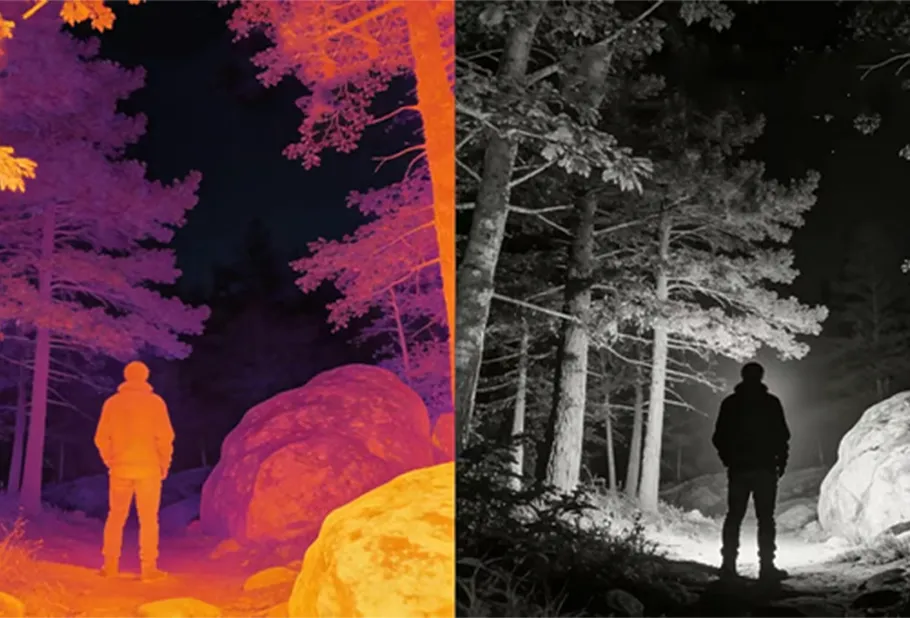

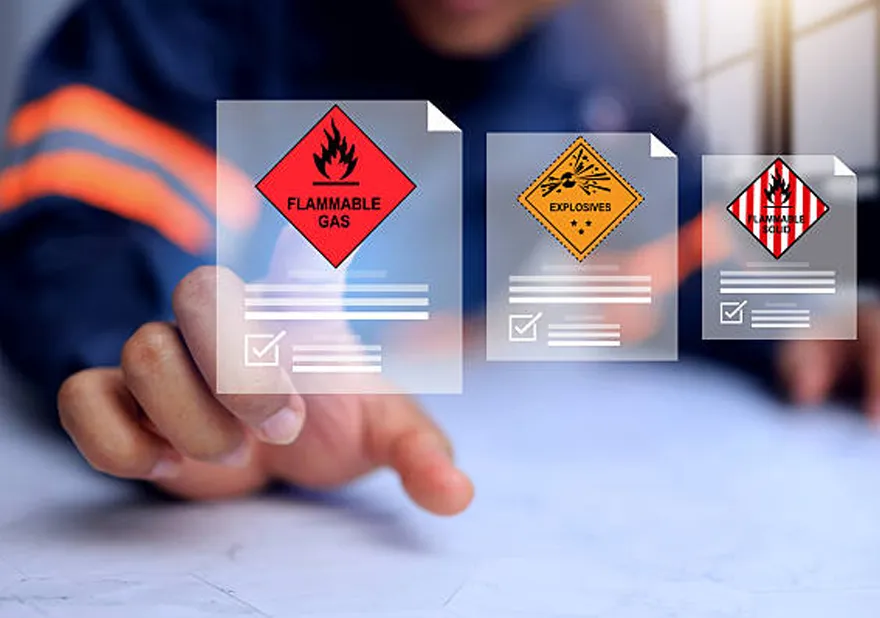
The solution helps operators identify abnormal temperature conditions earlier and convert thermal events into traceable maintenance or safety workflows.


Infrared thermal monitoring is suitable for equipment and areas where abnormal heat, leakage risk or night visibility limitations affect safety.
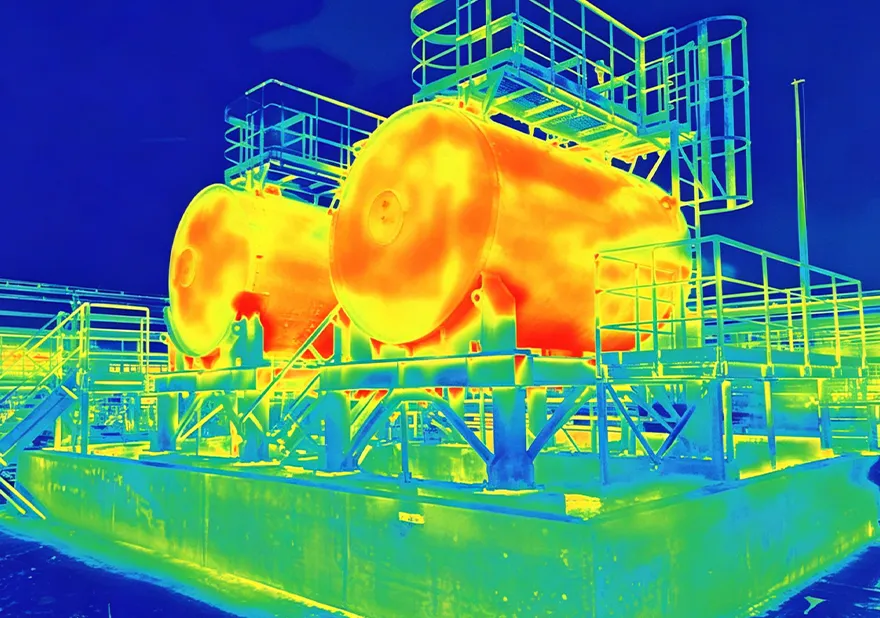
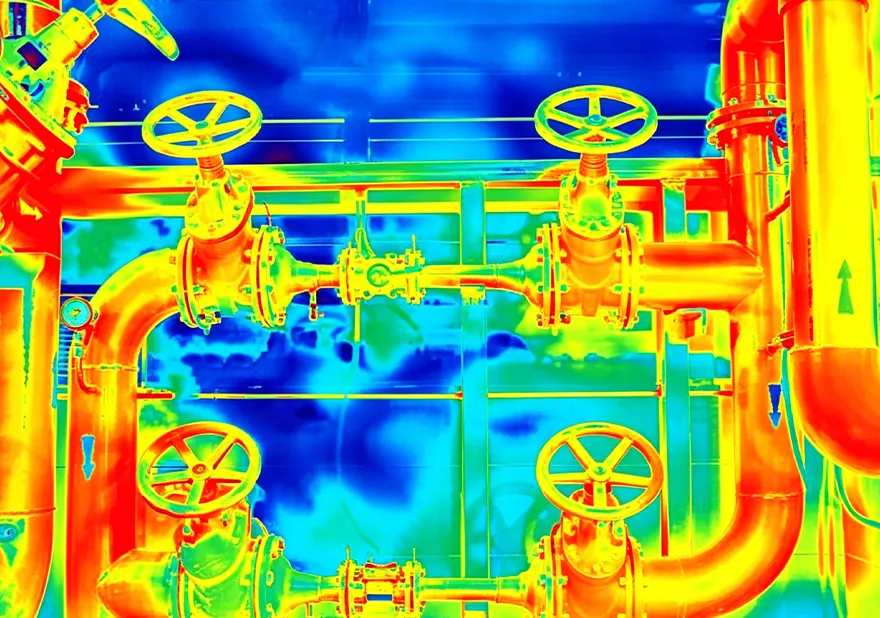
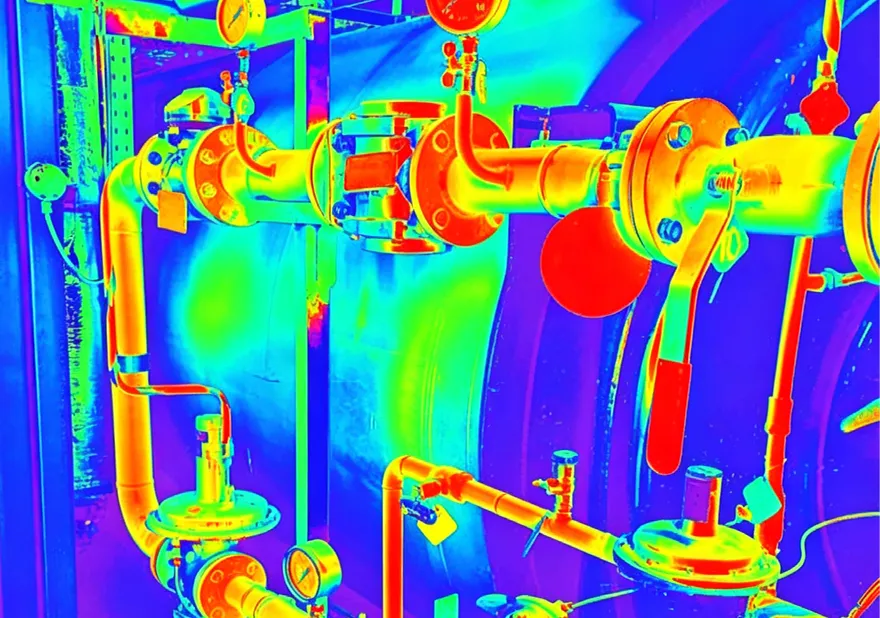
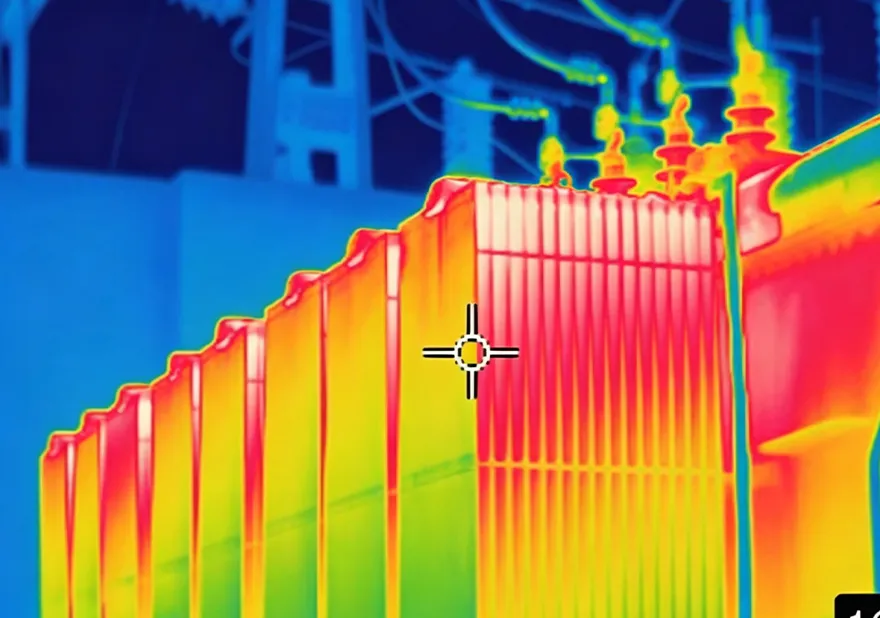
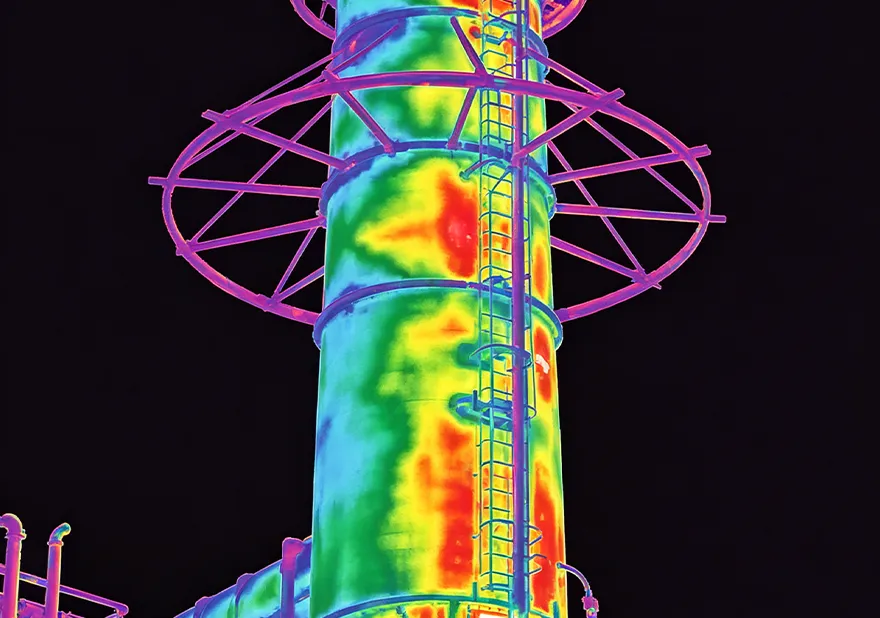
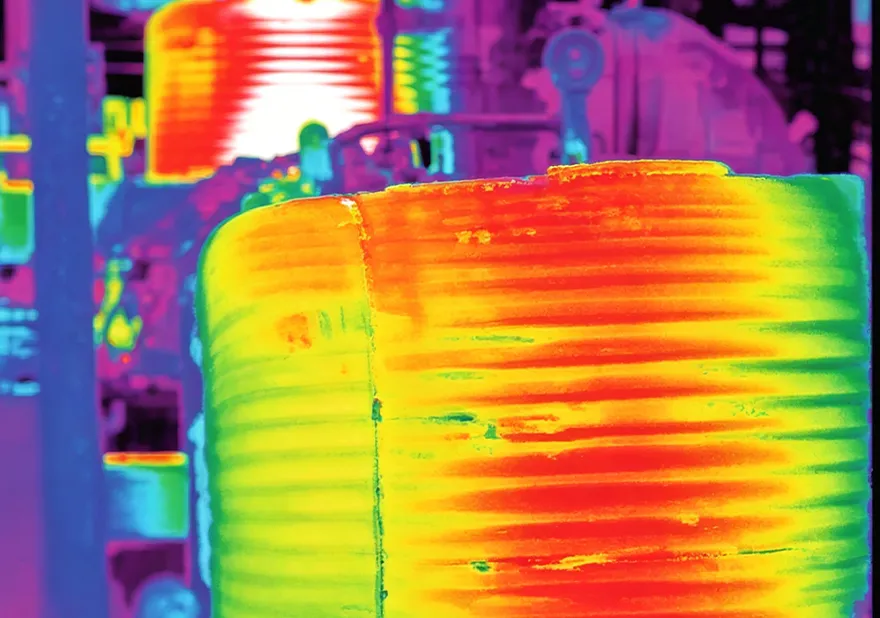
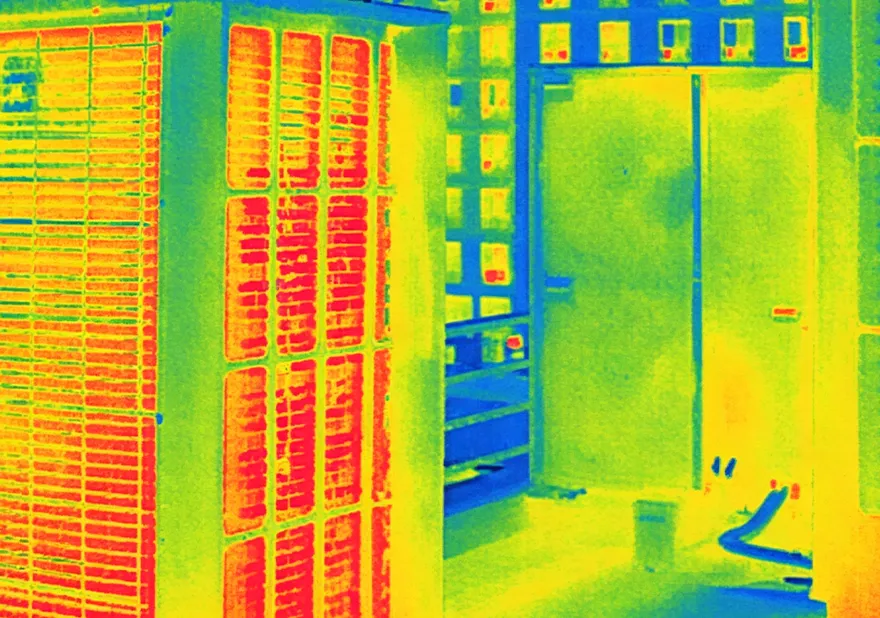
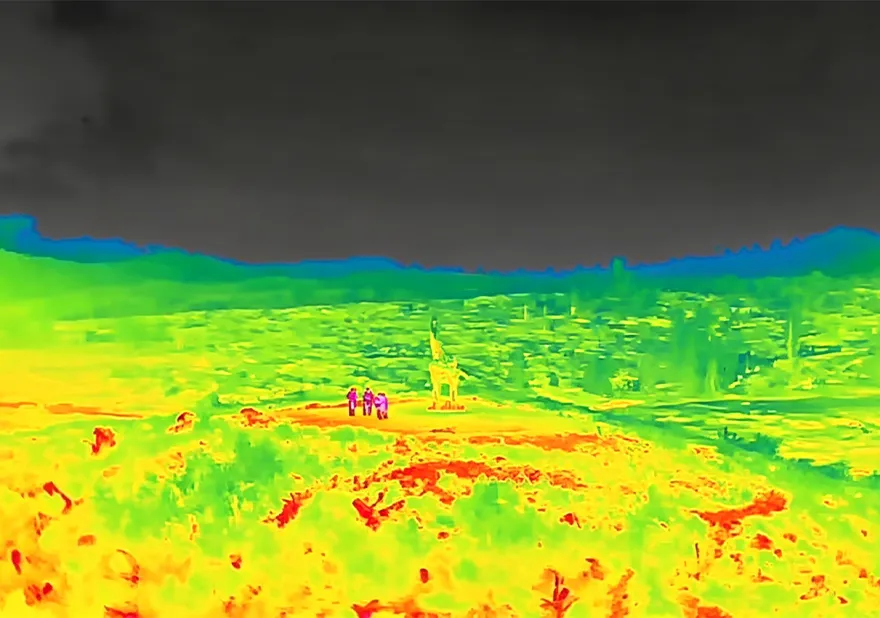
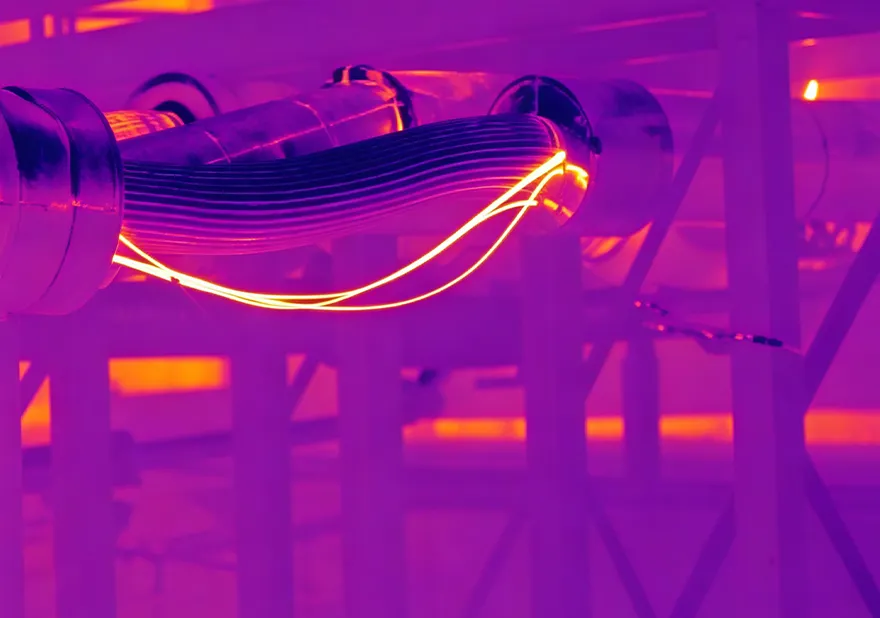


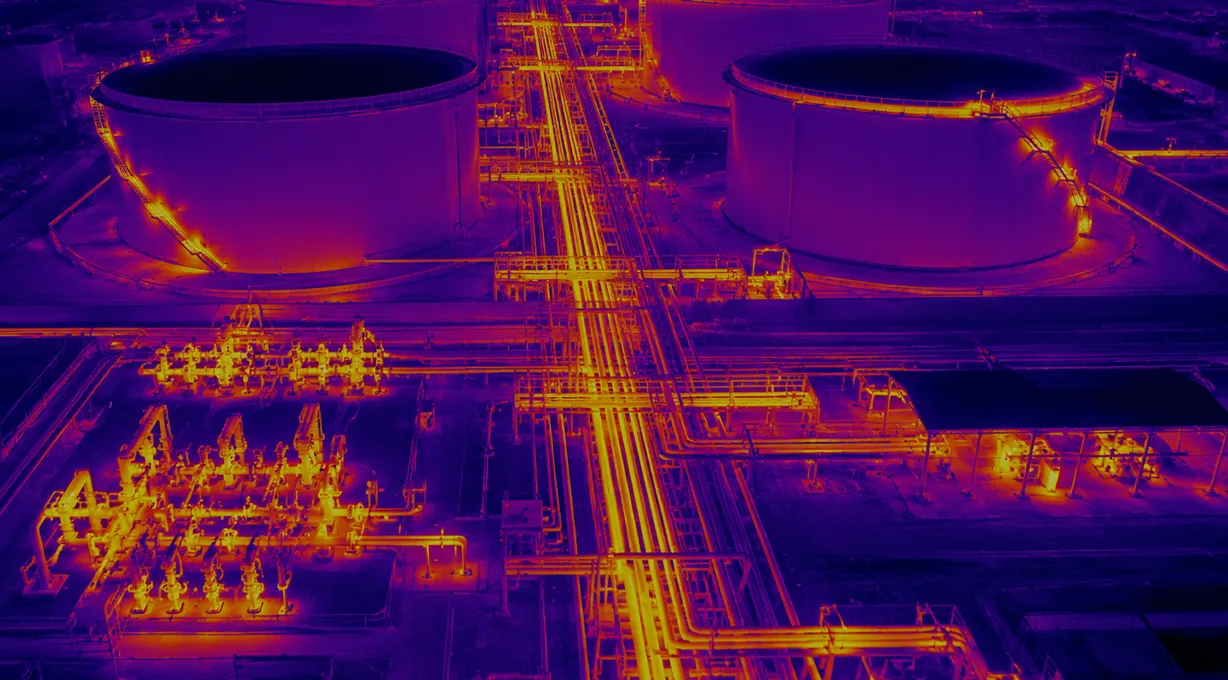
For large tank farms, place thermal cameras at elevated locations with clear views of tank accessories, valve groups and pipeline corridors.
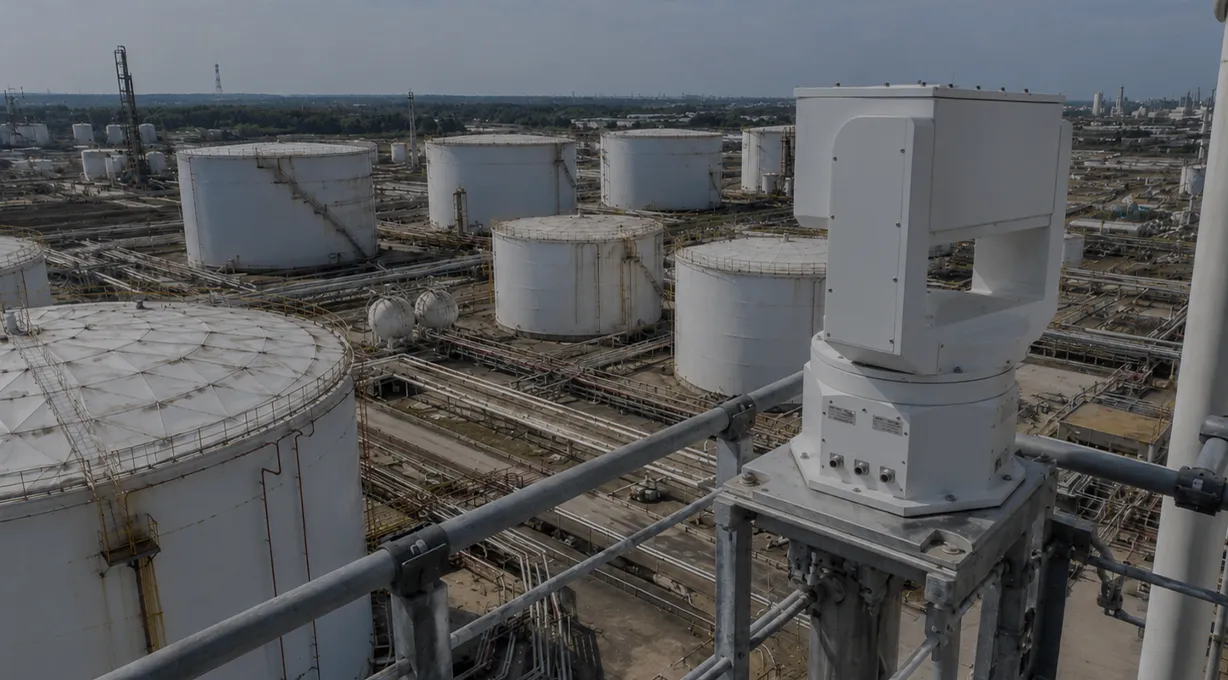
Use PTZ preset patrol for multi-point inspection when one camera must cover several tanks.
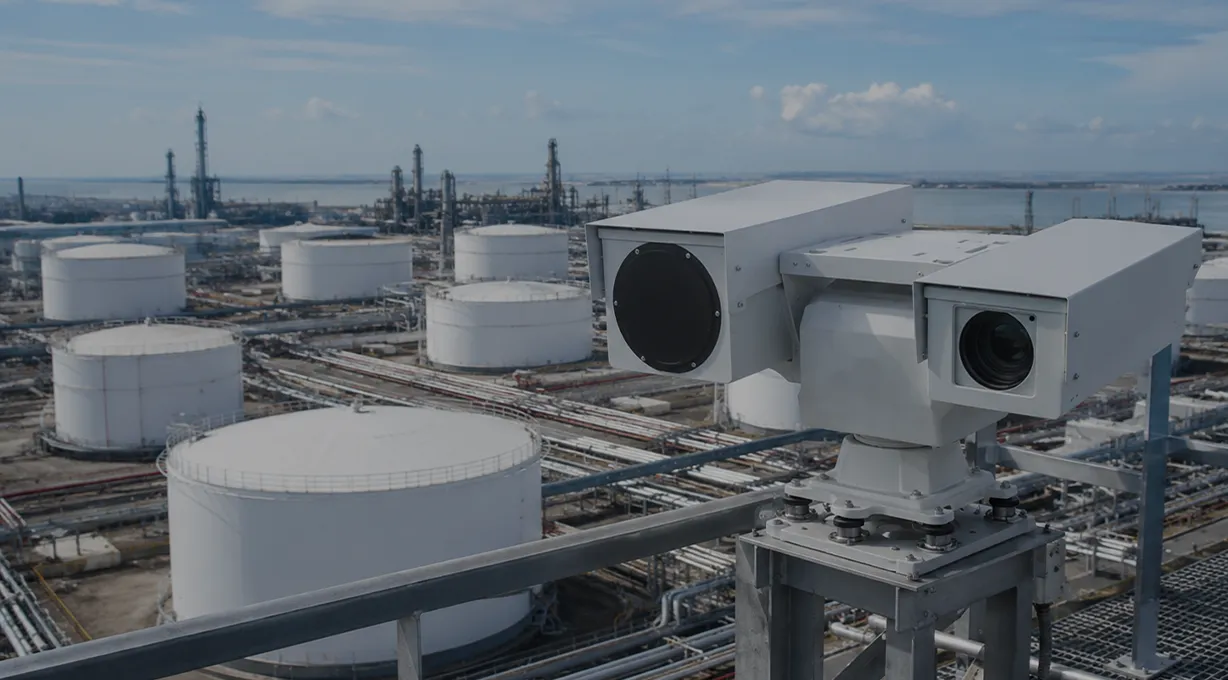
Use fixed thermal cameras for critical equipment that requires continuous monitoring.
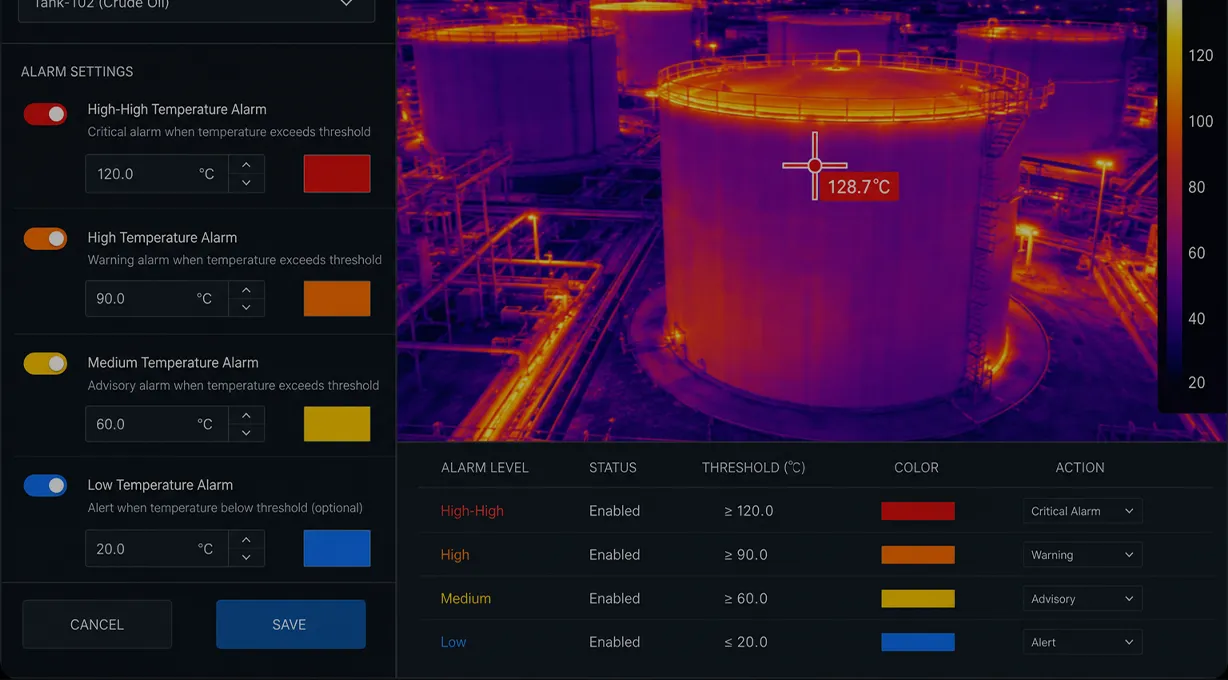
Alarm thresholds should be configured by equipment type and operating condition.
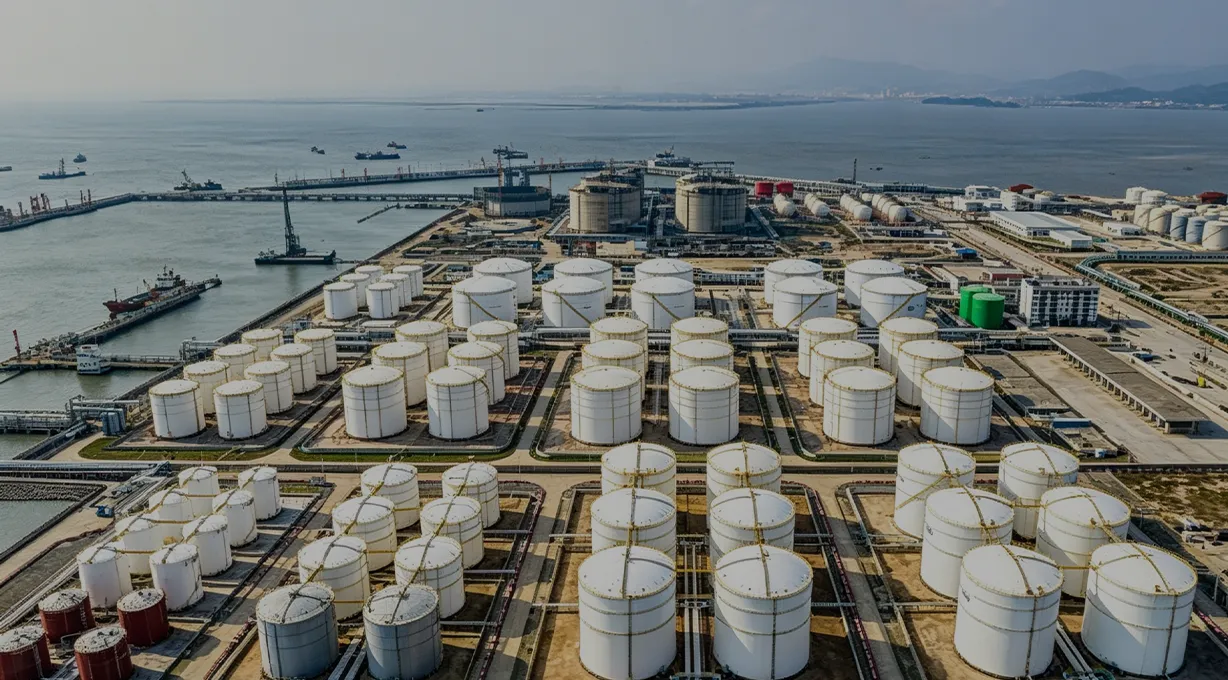
For hazardous zones, use certified explosion-proof devices only when certification matches the site’s classification requirements
For storage tanks, thermal cameras can monitor surface temperature changes, valve areas and high-risk accessories. For pipelines and insulation layers, infrared imaging can help identify heat loss, damaged insulation or abnormal thermal patterns. For pump areas and rotating equipment, thermal monitoring can support early identification of overheating components.
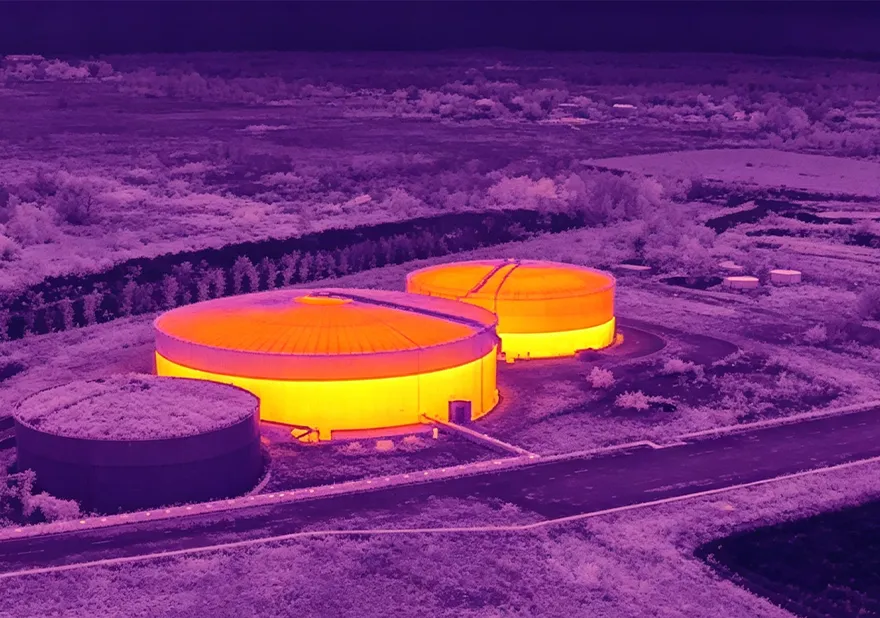
Thermal imaging is a powerful diagnostic tool, but it requires correct configuration and interpretation. Measurement results can be affected by emissivity, reflected temperature, target distance, viewing angle, atmospheric conditions, window materials, surface contamination and camera calibration. Thermal monitoring does not replace process instrumentation, fire detection, gas detection or maintenance inspection. It is a complementary visual and temperature-based monitoring layer. For critical alarms, operators should verify thermal events with operating data, field inspection or additional diagnostic methods.
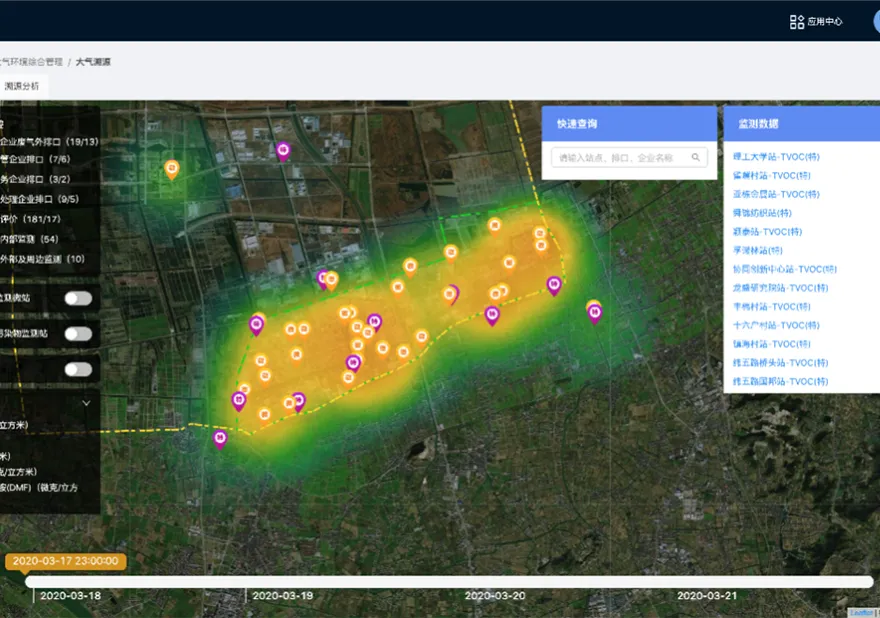
Local deployment should consider hazardous-area classification, explosion-proof certification, site calibration, maintenance response and regional safety regulations. Regional pages should focus on local operating conditions, climate challenges, applicable codes and service coverage, while linking back to this main technical page for the core solution explanation.
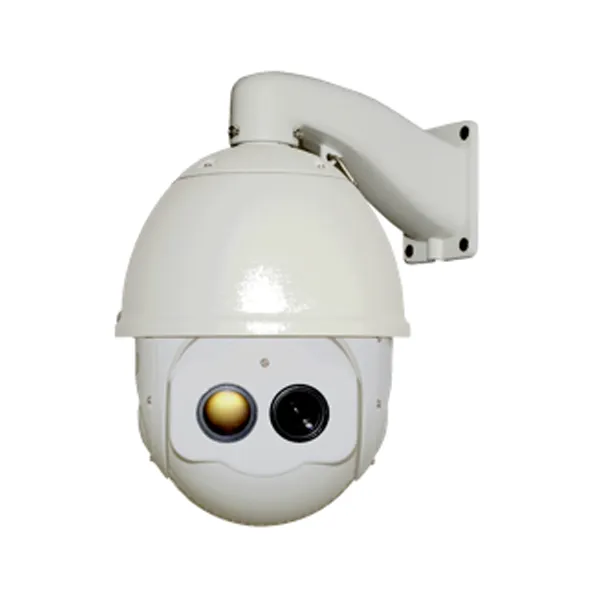
A laser high-speed dome camera designed for fast-response night monitoring, combining integrated zoom imaging, synchronized laser illumination, and high-speed PT movement for security and patrol applications.
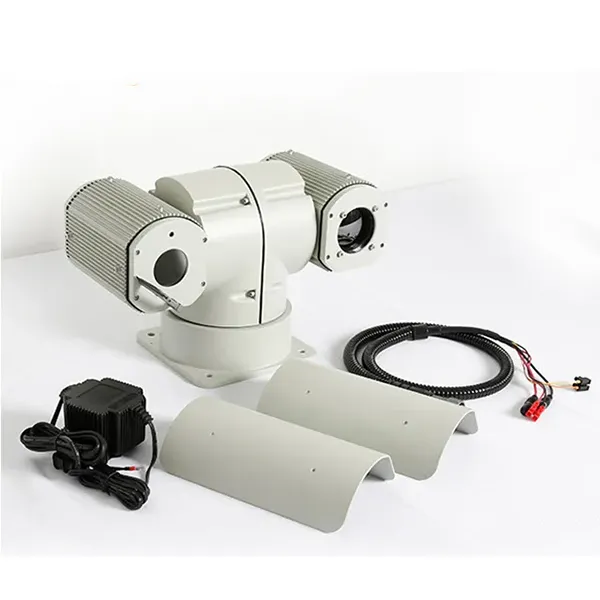
A compact multi-sensor PTZ surveillance platform combining HD visible imaging, thermal-assisted awareness, and precise pan-tilt control for border, city, railway, and critical-site monitoring.
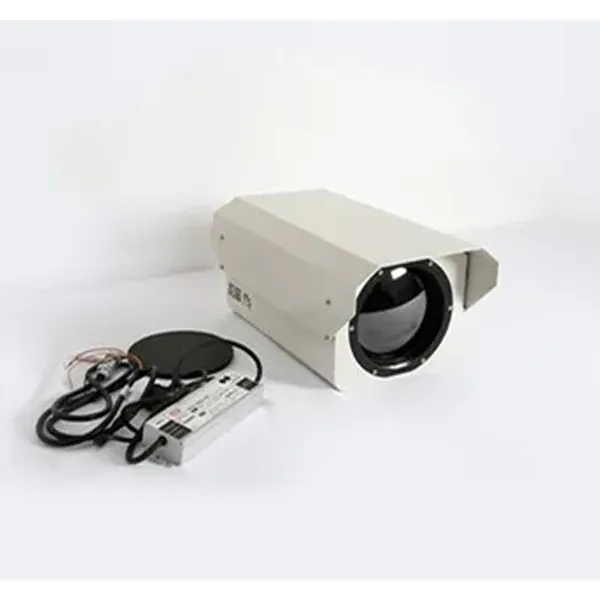
Built for long-range outdoor surveillance, this PTZ thermal imaging camera series combines uncooled infrared imaging, motorized zoom, and rugged IP66 protection for continuous monitoring in complex environments.
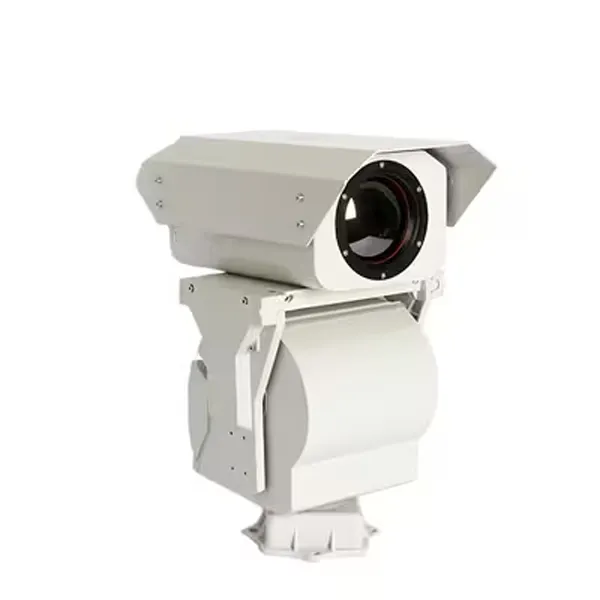
MR-TC6105-S is built for stable day-and-night monitoring, combining uncooled infrared imaging, rugged outdoor protection, and optional PTZ capability for security surveillance in demanding environments.
Infrared thermal surveillance visualizes temperature distribution using thermal radiation imaging.** It helps detect hot spots, abnormal temperature rise and equipment overheating without physical contact.
Thermal imaging detects equipment failure by identifying abnormal heat patterns.** Many mechanical, electrical and insulation-related problems create temperature changes before visible damage occurs.
Yes. Infrared thermal cameras can work in total darkness.** They detect infrared radiation rather than visible light, although image quality and measurement accuracy can still be affected by rain, fog, obstruction, reflective surfaces and calibration conditions.
Infrared thermography can monitor tanks, pipelines, valves, flanges, rotating equipment and electrical assets.** It is useful where abnormal temperature may indicate risk, degradation or inefficient operation.
Yes. Thermal imaging is suitable for petrochemical plants when hazardous-area classification and operating conditions are addressed.** Explosion-proof models should be used in classified hazardous zones when required.
Infrared monitoring supports predictive maintenance by tracking temperature trends over time.** Operators can compare current thermal patterns with historical data, identify abnormal changes and plan inspection or maintenance before failure escalates.
Yes. Thermal cameras can monitor oil tanks at night because they detect infrared radiation rather than visible light.** Measurement performance still depends on target conditions, calibration, weather and viewing angle.
Request an infrared surveillance design to receive camera placement recommendations, alarm strategy suggestions and model-specific configuration for tank farms, storage tanks, valve groups, pump areas, pipe corridors and outdoor hazardous zones.
We will reply you within 24 hours. If for urgent case, please add WhatsApp/WeChat: +86 15954290051,. Or call +86 15964215221 directly.
*We respect your confidentiality and all information are protected.
We will only use your information to respond to your inquiry and will never send unsolicited emails or promotional messages.