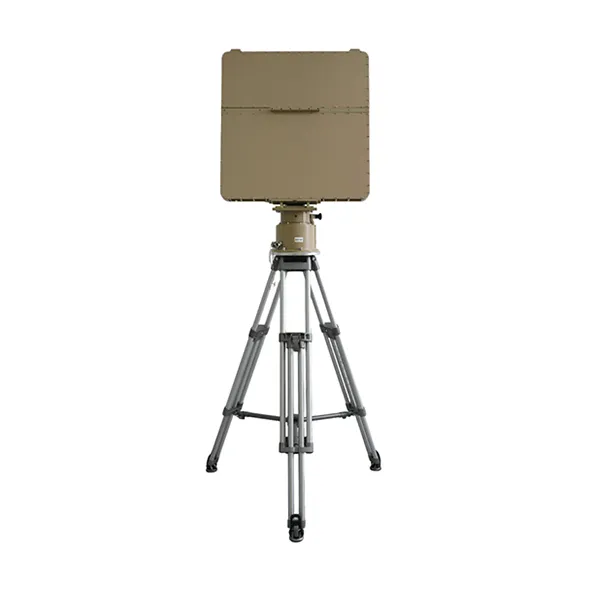

Hệ thống radar phòng không tầm thấp

Low-Altitude Defense Solution

24/7 low-altitude surveillance powered by radar-optical fusion and real-time alerts.

The Low-Altitude Defense Solution uses radar-optical fusion to continuously detect, identify, and track low-altitude targets, providing real-time awareness, automated alerts, and event records with minimal manual operation.

Why Do Blind Spots Still Exist in Low-Altitude Security for Key Areas?

Sự gia tăng nhanh chóng của các loại máy bay không người lái (UAV) thương mại và được cải tiến đã tạo ra một loại mối đe dọa an ninh mới mà các hệ thống giám sát truyền thống chưa bao giờ được thiết kế để đối phó.

  • Time and Space That Manpower Cannot Fully Cover

    Các máy bay không người lái (UAV) dân dụng và các UAV đã được cải tiến có diện tích phản xạ radar chỉ khoảng 0,001 m². Các hệ thống radar thông thường được thiết kế cho máy bay không thể phát hiện một cách đáng tin cậy các mục tiêu có kích thước nhỏ như vậy ở các khoảng cách có ý nghĩa thực tiễn.

  • Inherent Limitations of Video Surveillance

    Ở độ cao thấp, tín hiệu phản xạ từ radar do chim, khí cầu khí tượng và địa hình gây ra tỷ lệ báo động giả cao. Nếu không có hệ thống phân loại mục tiêu thông minh, các nhân viên vận hành sẽ phải đối mặt với tình trạng quá tải thông tin và phản ứng chậm trễ.

  • Events Cannot Be Reconstructed, and Hidden Risks Continue to Accumulate

    Các vụ xâm nhập bằng máy bay không người lái không tuân theo giờ làm việc. Chỉ cần một chiếc UAV không bị phát hiện cũng có thể tiến hành trinh sát, vận chuyển hàng hóa hoặc gây gián đoạn hoạt động — trong khi các camera giám sát biên giới truyền thống không thể đưa ra cảnh báo sớm.

  • Fragmented Security Systems Make Response Slower

    Many sites already have cameras, perimeter alarms, access control, and patrol teams, but these systems often work separately. When low-altitude activity occurs, information may not be shared quickly enough, causing delayed verification, unclear responsibility, and slower response.

Low-Altitude Security Workflow

  • 01
    Giải pháp

    Step 1 — Detection

    The low-altitude surveillance radar continuously scans the covered area and automatically detects low-slow-small targets and abnormal flying targets, without being affected by lighting or weather conditions.

  • 02
    Giải pháp

    Step 2 — Confirmation

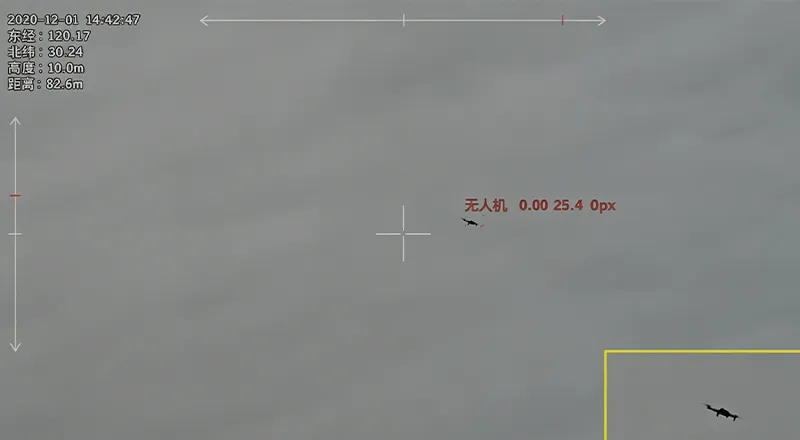
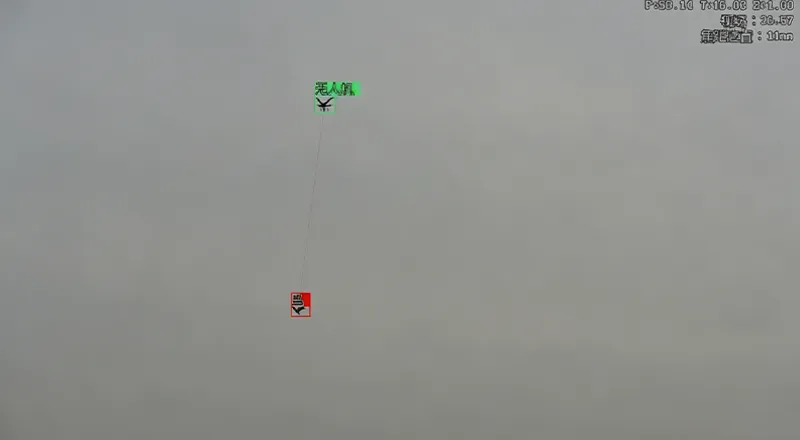
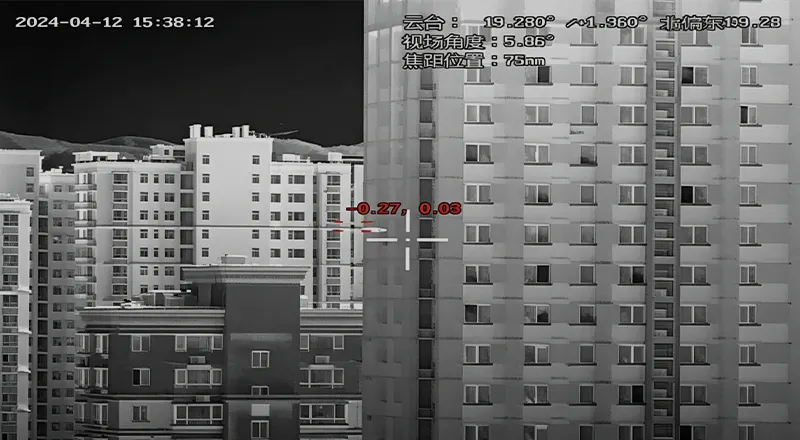
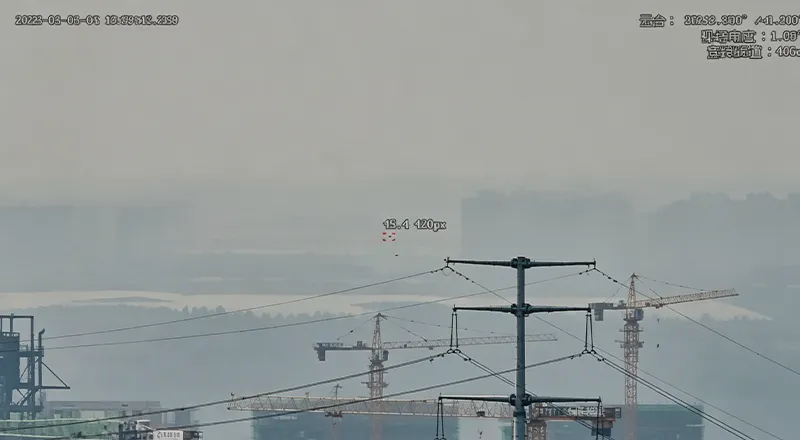
    After the radar locks onto the target, the electro-optical device automatically links and turns toward the target, using visible-light or infrared images for secondary confirmation to reduce false alarms.

  • 03
    Giải pháp

    Step 3 — Early Warning

    When the target enters the configured alert zone, the system automatically triggers an alarm and synchronously pushes it to the platform alarm center, acoustic-optical devices, and the security command terminal.

  • 04
    Giải pháp

    Step 4 — Linkage

    The system links with existing security platforms, access control systems, perimeter devices, or command centers, distributing alarm information in a unified way without manual relay.

  • 05
    Giải pháp

    Step 5 — Recording

    The discovery time, track, alarm trigger status, and linkage response of all targets are automatically stored, supporting post-event retrieval and playback.

Low-Altitude Security Workflow

A Continuously Operating Radar-Optical Low-Altitude Sensing Network

builds a continuously operating
performs all-weather scanning
platform fuses the two data sources
does not require dedicated personnel to continuously monitor
sensing, identification, early warning, and recording

The Low-Altitude Defense Solution builds a continuously operating low-altitude sensing system for key areas.

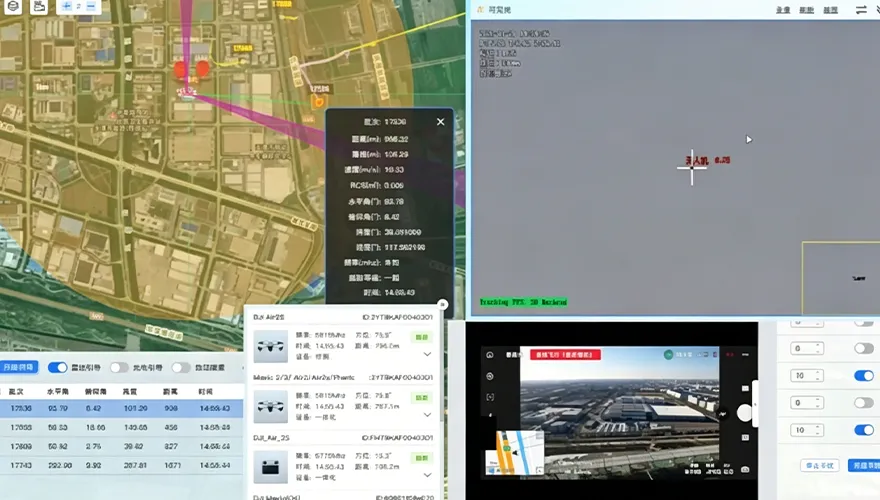
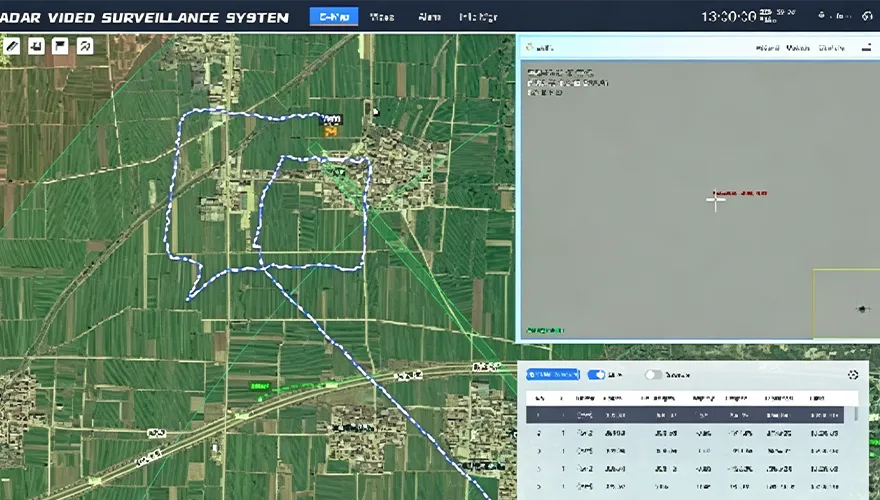
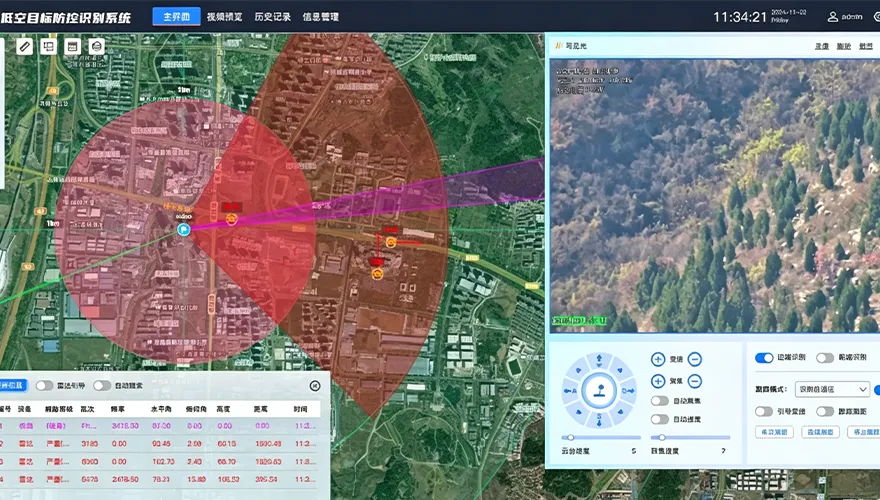
The low-altitude surveillance radar performs all-weather scanning over the covered area and provides target azimuth, distance, altitude, and movement trajectory. After receiving radar guidance, the electro-optical tracking and identification device automatically links to the target and confirms it through visible-light or infrared imaging, outputting target images and behavior information.

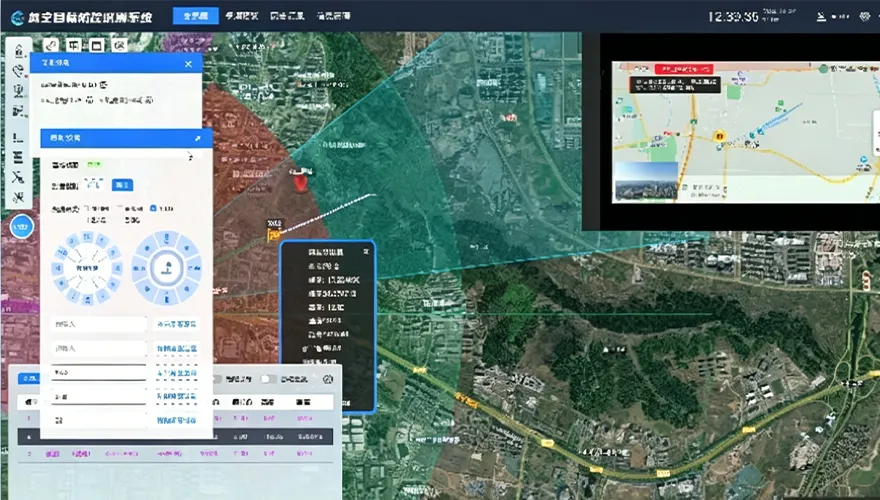
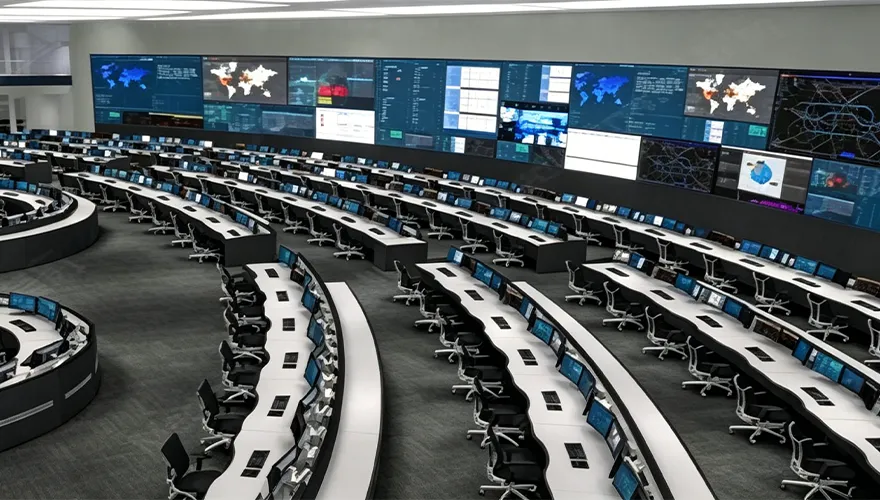
The low-altitude situational awareness platform fuses the two data sources, displays target positions and historical tracks on an electronic map in real time, and automatically triggers early-warning linkage when a target enters the alert zone.

The complete system supports 24/7 unattended automatic operation and does not require dedicated personnel to continuously monitor the system. It is suitable for fixed sites that require long-term stable low-altitude alerting.

This solution focuses on four core links: sensing, identification, early warning, and recording, with the goal of continuously understanding the low-altitude situation. For active countermeasures against UAV intrusion and multi-system dispatching and handling, please refer to the Integrated Counter-UAV Solution.

builds a continuously operating
performs all-weather scanning
platform fuses the two data sources
does not require dedicated personnel to continuously monitor
sensing, identification, early warning, and recording

Thành phần hệ thống

Each Module Performs Its Role to Form a Complete Sensing Chain

Radar giám sát tầm thấp

Optimized for low-altitude small target detection, it provides wide-area airspace coverage and is not affected by lighting conditions. It is the sensing foundation of the low-altitude defense system. It supports intelligent filtering of non-UAV targets such as birds and balloons, helping reduce the false alarm rate.

Radar giám sát tầm thấp

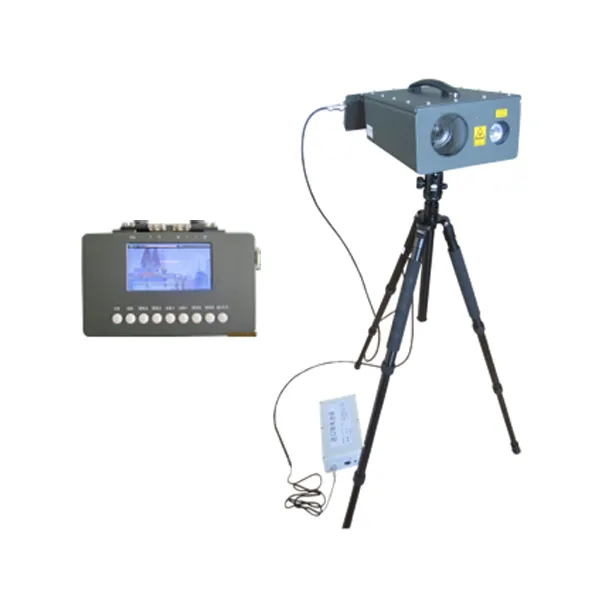
Electro-Optical Tracking System

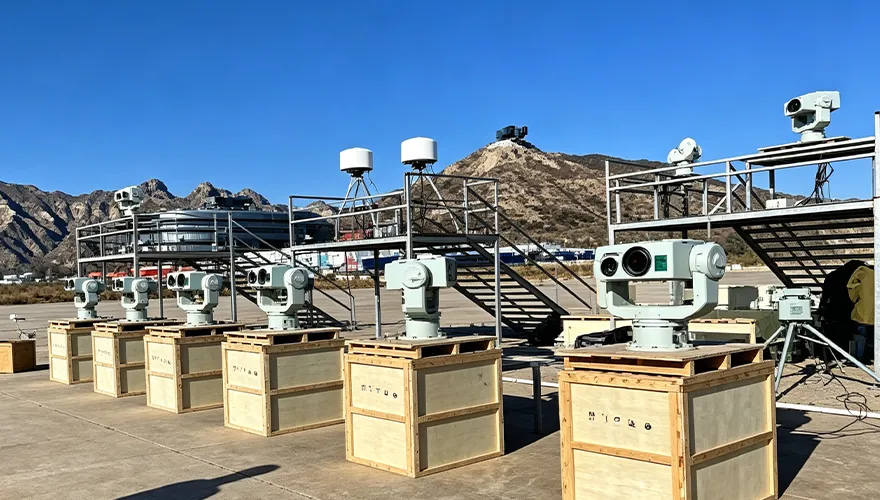
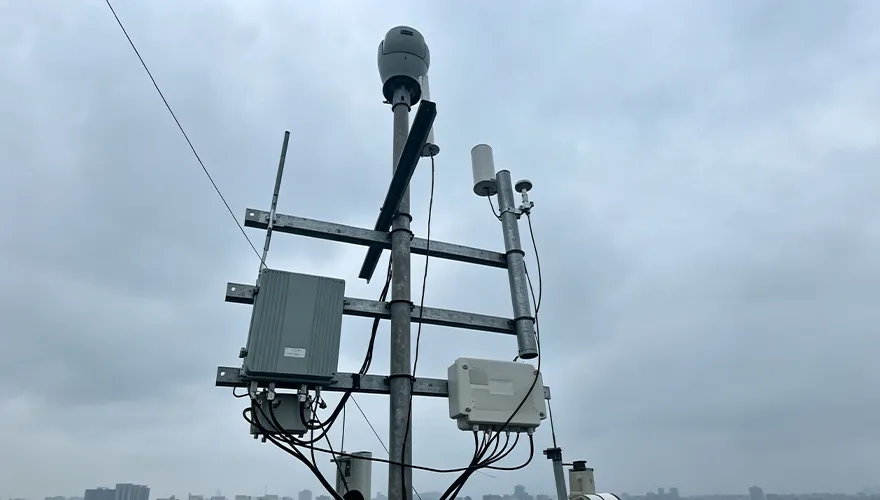
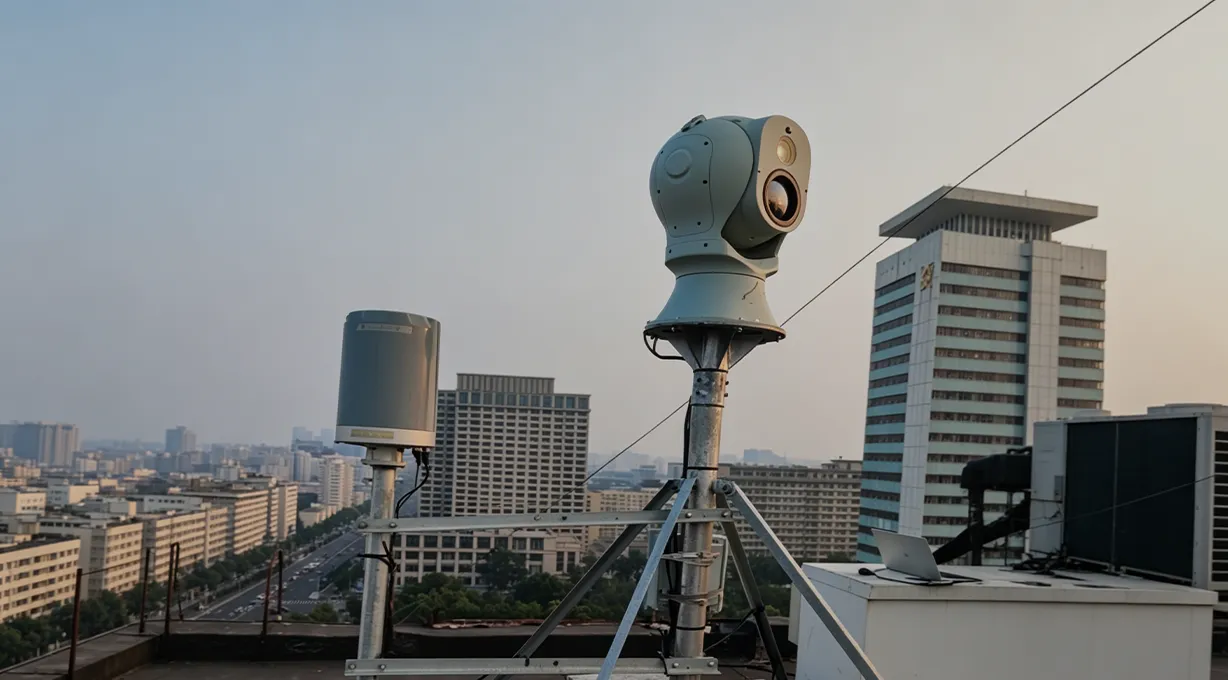
After receiving radar guidance, it automatically tracks the target and provides visible-light and infrared dual-mode imaging. At night or in low-visibility environments, it can switch to infrared mode to maintain target confirmation capability.

Electro-Optical Tracking System

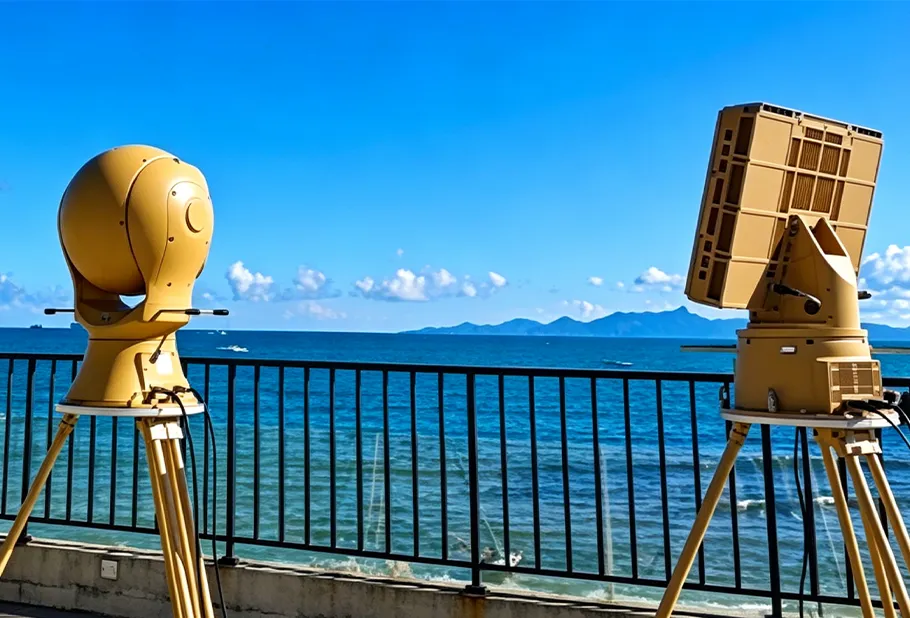
Radar-Optical Electronic Sentinel

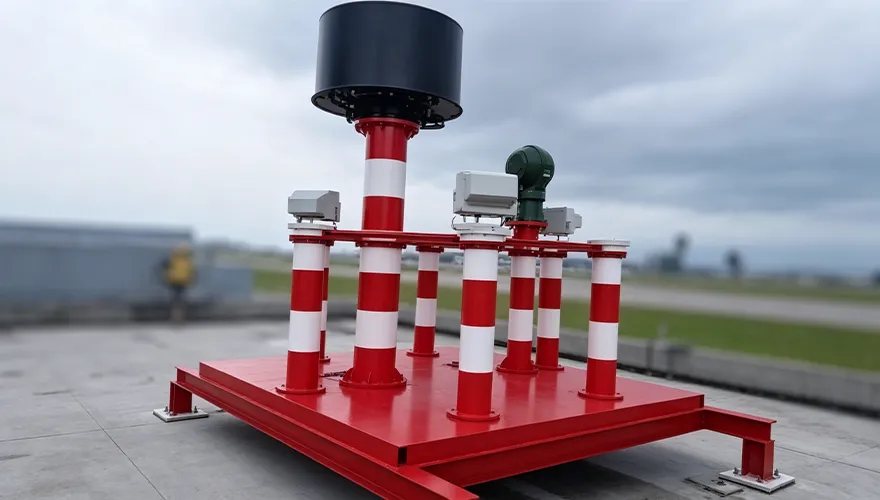
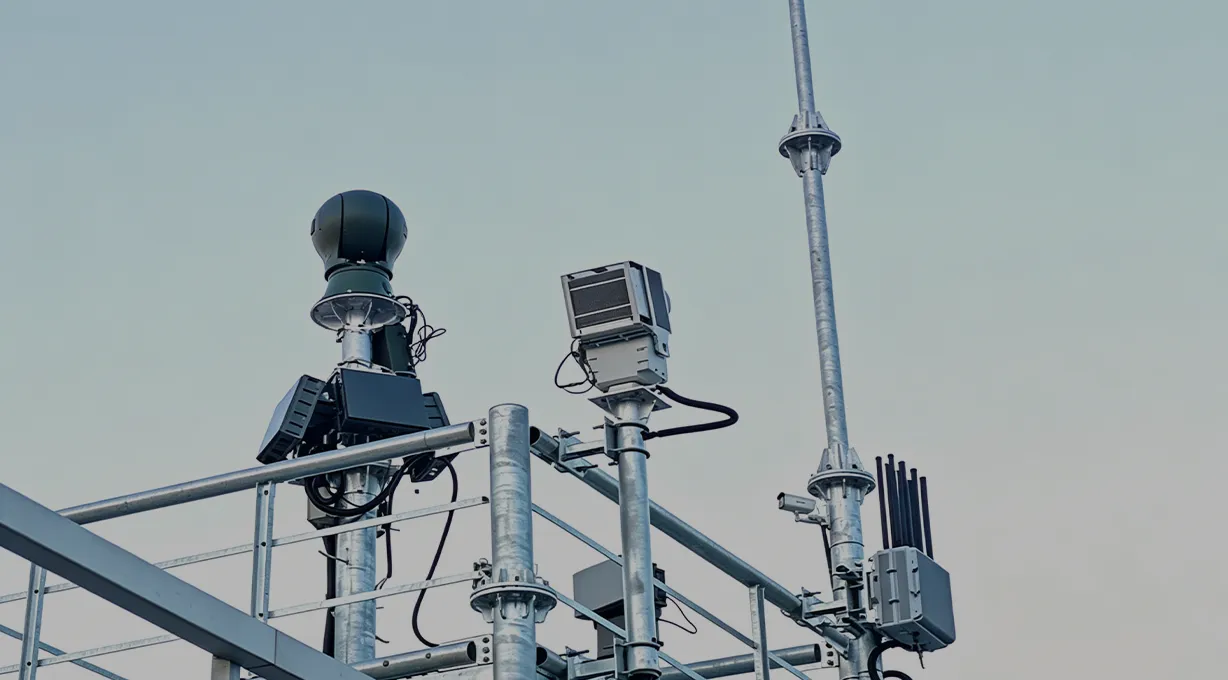
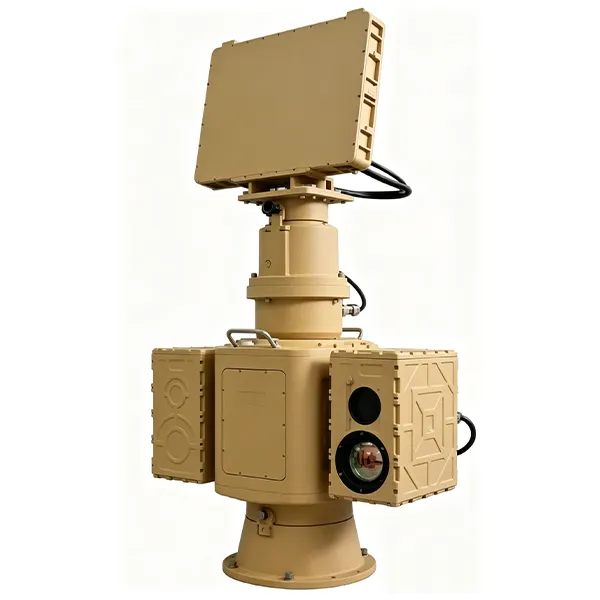
It integrates low-altitude radar and electro-optical devices into one deployable unit, supports fast installation, and serves as the standard sensing node of the low-altitude defense system. It is suitable for single-point deployment or as a basic unit in a networked system.

Radar-Optical Electronic Sentinel

Low-Altitude Situational Awareness Platform

With the electronic map as the core, the platform fuses data from multiple devices and displays target positions, historical tracks, and alarm status in real time. It supports historical event playback, alarm record management, and external platform interface integration.

Low-Altitude Situational Awareness Platform

Acoustic-Optical Alarm and On-Site Linkage Devices

When an alarm is triggered, these devices provide on-site acoustic-optical alerts and synchronously push alarm information to security personnel, duty rooms, and command centers to assist rapid response.

Acoustic-Optical Alarm and On-Site Linkage Devices

Radar giám sát tầm thấp

Electro-Optical Tracking System

Radar-Optical Electronic Sentinel

Low-Altitude Situational Awareness Platform

Acoustic-Optical Alarm and On-Site Linkage Devices

Typical Application Scenarios

Suitable for facilities requiring persistent low-altitude surveillance

Parks and Industrial Facilities

Parks and Industrial Facilities

Large industrial parks, chemical plants, and data centers cover wide areas, making it difficult for manual patrols to cover the entire perimeter. The low-altitude defense system can build a continuous sensing layer above the site and provide all-weather monitoring and early warning for unauthorized low-altitude entry.

Power, Petrochemical, and Energy Bases

Power, Petrochemical, and Energy Bases

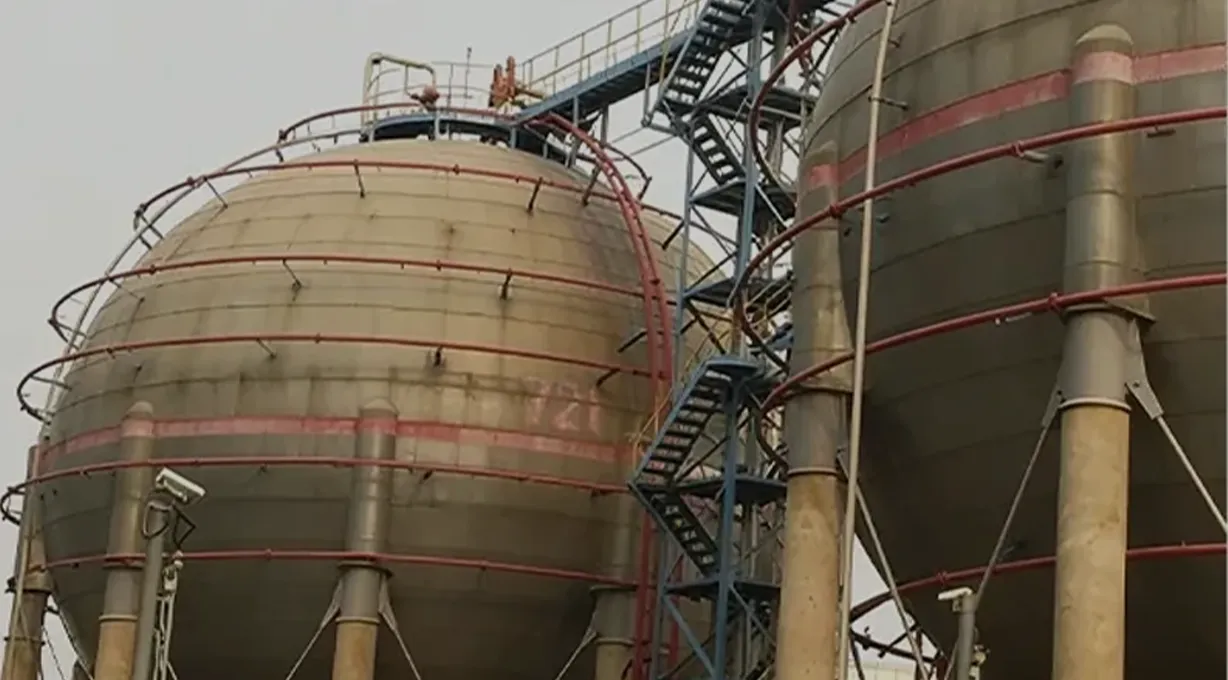
Critical energy facilities such as transmission lines, substations, and oil and gas storage tanks may face serious consequences if disrupted by UAVs. The system enables long-term unattended monitoring of the airspace above the facilities and detects abnormal flying targets at the earliest possible time.

Prisons, Detention Centers, and Confidential Facilities

Prisons, Detention Centers, and Confidential Facilities

These sites have extremely high requirements for low-altitude security, and any unreported low-altitude flight may be considered a violation. The system provides full-time alerting over the airspace above the site perimeter and links with existing security systems to form complete perimeter protection.

Ports, Terminals, and Logistics Warehouses

Ports, Terminals, and Logistics Warehouses

Port areas are large and densely packed with materials, and the risk of low-altitude reconnaissance cannot be ignored. The system continuously monitors the airspace above the port area to ensure that operational order is not disrupted by low-altitude threats.

Border and Coastline Patrol

Border and Coastline Patrol

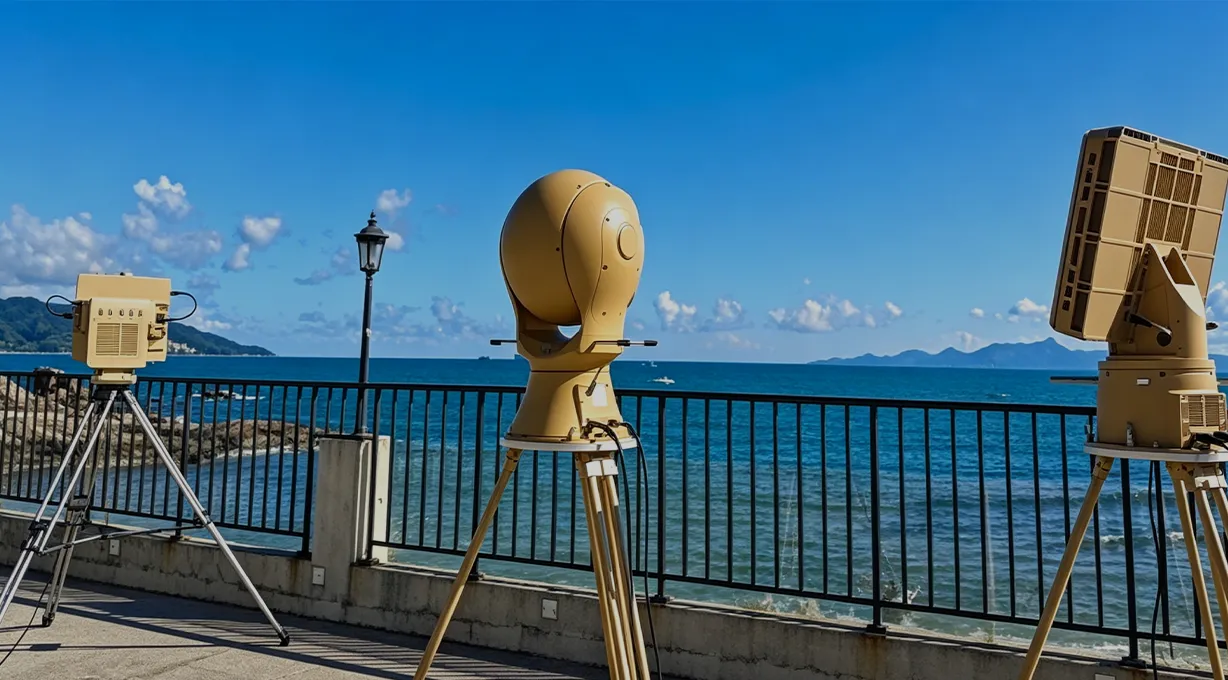
Open geographic areas are vast and manpower is limited, leaving obvious gaps in traditional ground patrol. A multi-point networked low-altitude defense system can achieve wide-area airspace coverage and provide continuous and reliable low-altitude sensing support for border management.

Major Event Perimeter Deployment

Major Event Perimeter Deployment

Around the perimeter of large events, the low-altitude defense system can be quickly deployed as a temporary low-altitude alert network and linked with the on-site security command system to ensure the security of the surrounding airspace.

  • Parks and Industrial Facilities
  • Power, Petrochemical, and Energy Bases
  • Prisons, Detention Centers, and Confidential Facilities
  • Ports, Terminals, and Logistics Warehouses
  • Border and Coastline Patrol
  • Major Event Perimeter Deployment

Collaborative Deployment Forms

Scalable from Single-Point Alerting to a Regional Defense Network

  • Single-Point Electronic Sentinel Deployment

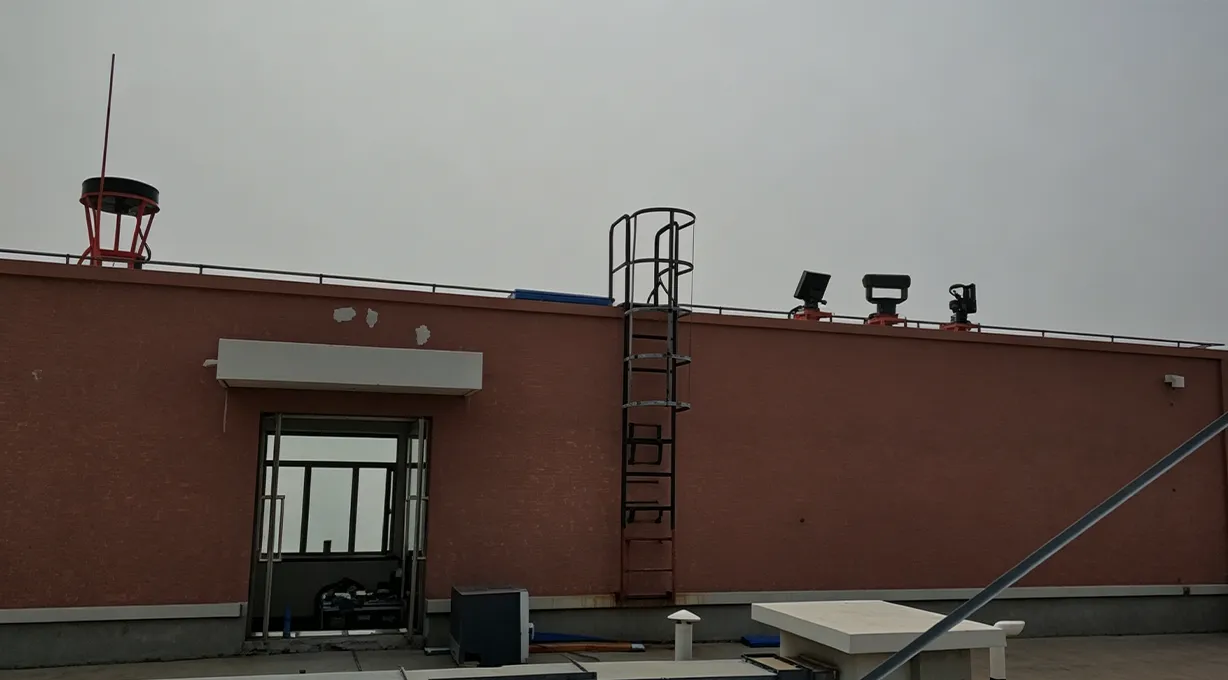
    Deploy one radar-optical electronic sentinel at a key high point or important entrance/exit to cover low-altitude airspace in a specific direction or area. This is suitable for quickly establishing low-altitude sensing capability and can also be used as a pilot deployment before large-scale system construction.

  • Perimeter Networked Alerting

    Deploy multiple detection nodes evenly along the regional perimeter to form surrounding low-altitude alert coverage and reduce blind spots caused by single-point deployment. Data from all nodes is uniformly connected to the platform to achieve regional situational awareness. This is suitable for medium and large parks or enclosed sites with clearly defined perimeters.

  • Regional Low-Altitude Defense Network

    Multiple stations are networked and managed across sites through one unified platform. This is suitable for large infrastructure clusters, border sections, or multi-location coordinated management. The platform supports hierarchical permissions and zone-based display, allowing multiple protected areas to be managed at the same time.

  • Mobile and Temporary Deployment

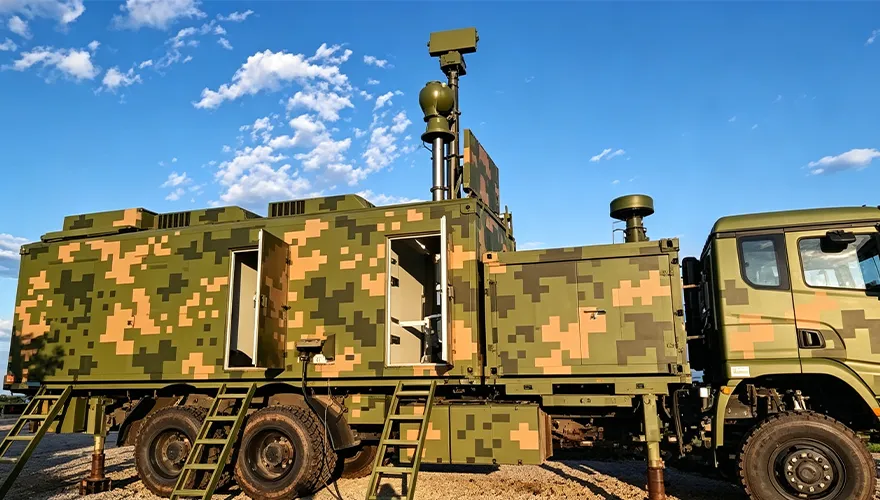
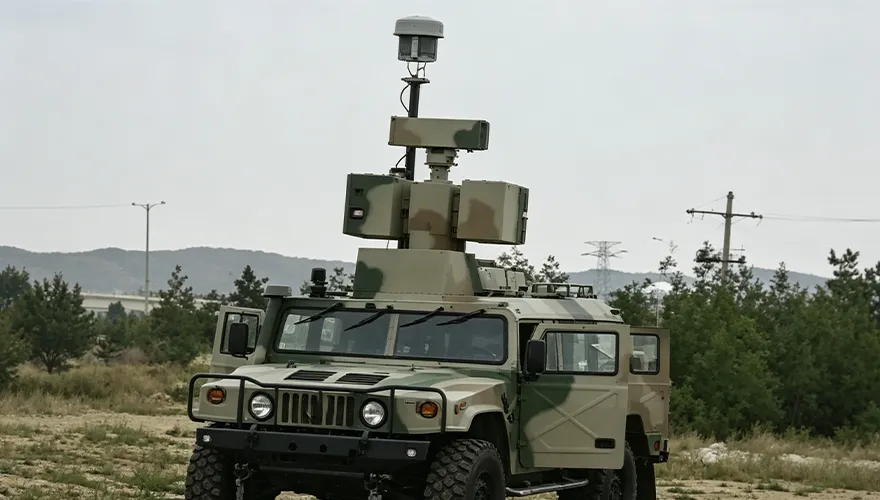
    For temporary events, emergency tasks, or sites without fixed infrastructure, the system can be deployed in a mobile or temporary configuration. Radar-optical sensing nodes can be installed on vehicles, temporary towers, rooftops, or portable platforms to quickly build low-altitude monitoring coverage. This method is suitable for major events, temporary restricted areas, emergency response, and short-term security projects.

Solution Advantages

What Does the Low-Altitude Defense System Provide Compared with Existing Solutions?

Compared with Pure Video Surveillance, It Adds Distance Awareness and Track Judgment

Compared with Pure Video Surveillance, It Adds Distance Awareness and Track Judgment

Video surveillance can record images but cannot provide target distance, speed, or direction of approach. Radar supplements this information dimension, allowing security personnel to understand complete movement information before the target arrives.

Compared with a Single Radar System, It Adds Image Confirmation Capability

Compared with a Single Radar System, It Adds Image Confirmation Capability

A pure radar system may have a relatively high false alarm rate and may find it difficult to distinguish UAVs from interfering targets such as birds. Electro-optical linkage provides image confirmation, giving each alarm visual evidence instead of only radar data.

Compared with Manual Patrols, It Covers Blind Spots in Time and Weather

Compared with Manual Patrols, It Covers Blind Spots in Time and Weather

Manual patrols are significantly affected by time periods and weather, while low-altitude threats are often harder to detect under these conditions. The system can maintain stable operation at any time and under any weather conditions, making up for unavoidable coverage gaps in manpower.

Integrated with Existing Security Systems to Reduce Repeated Construction

Integrated with Existing Security Systems to Reduce Repeated Construction

The system provides standard interfaces and supports integration with mainstream video security platforms and security command systems, adding low-altitude sensing capability on top of existing infrastructure.

Core Products within the Low-Altitude Defense Solution

Các mẫu sau đây được tối ưu hóa cho việc phát hiện máy bay không người lái (UAV) và mục tiêu trên không ở độ cao thấp, được lựa chọn từ danh mục sản phẩm radar đầy đủ của Midradar.

Frequently Asked Questions

Technical Q&A & Application Guidelines

  • What problem does the Low-Altitude Defense Solution solve?

    The core functions of the low-altitude defense system are sensing, identification, early warning, and recording. It helps management personnel continuously understand the low-altitude situation of key areas. The system is suitable for scenarios where long-term monitoring and unattended alerting are the main requirements. It does not include active countermeasure capability against UAVs.

  • What is the difference between low-altitude defense and an integrated counter-UAV system?

    The low-altitude defense system is equivalent to the basic sensing layer of regional low-altitude security. It mainly solves the problems of continuous guarding, early-warning linkage, and unattended operation. The integrated counter-UAV system adds active countermeasure and multi-system handling and dispatching capabilities on this basis, focusing on how to safely, compliantly, and traceably handle a UAV after it is detected. The two systems can be deployed together or used independently according to protection requirements.

  • How long can the system operate stably in an unattended state?

    The system is designed to support long-term 24/7 automatic operation. All detection, alarm, and recording functions require no manual intervention. The maintenance cycle depends on the device type and deployment environment and can be confirmed with the technical team during project implementation.

  • Will the radar falsely alarm on birds, balloons, and other non-UAV targets?

    The low-altitude surveillance radar has built-in target classification algorithms, which can preliminarily filter low-slow-small targets according to size, speed, and flight pattern. This helps reduce false alarms caused by common interfering targets. Combined with the electro-optical image confirmation mechanism, the false alarm rate can be further reduced. However, false alarms may still occur under specific environmental conditions, so an environmental assessment is recommended before actual deployment.

  • Can it be connected to existing video surveillance and security platforms?

    Yes. The system provides standard SDK and API interfaces and supports integration with mainstream video security platforms and security command systems, adding low-altitude sensing capability while preserving existing system investment.

  • Will detection capability decrease at night or in rain and fog?

    The detection capability of the low-altitude surveillance radar is not affected by lighting conditions and can operate normally at night and under general rain and fog conditions. The electro-optical device is equipped with an infrared imaging module and can switch to infrared mode under low-visibility conditions to maintain target confirmation capability. For specific performance indicators under extreme weather conditions, please refer to the technical specification documents of each product.

  • Is it necessary to replace hardware when upgrading from single-point deployment to multi-point networking?

    No. The system architecture supports expansion on demand. The sensing devices and platform software used in single-point deployment are compatible with the networked architecture. Additional nodes can be directly connected to the platform during later expansion.

Ready to build persistent low-altitude surveillance for your facility?

Our technical team can provide customized solution recommendations based on your site characteristics and protection requirements.

  • Điện thoại: +86 15954290051
  • Email: [email protected]
  • Địa chỉ: Phòng 1609-1, Tòa nhà B, Trung tâm Thương mại Shangpin, Thành phố Pingdu, Tỉnh Thanh Đảo, Tỉnh Sơn Đông, Trung Quốc

Get Low-Altitude Defense Solution Document


    Yêu cầu báo giá

      Chúng tôi sẽ trả lời quý khách trong vòng 24 giờ. Nếu trường hợp khẩn cấp, vui lòng thêm số WhatsApp/WeChat: +86 15954290051. Hoặc gọi trực tiếp đến số +86 15964215221.

      *Chúng tôi tôn trọng quyền riêng tư của quý khách và tất cả thông tin đều được bảo mật.

      Chúng tôi chỉ sử dụng thông tin của bạn để trả lời câu hỏi của bạn và sẽ không bao giờ gửi email hoặc tin nhắn quảng cáo không được yêu cầu.