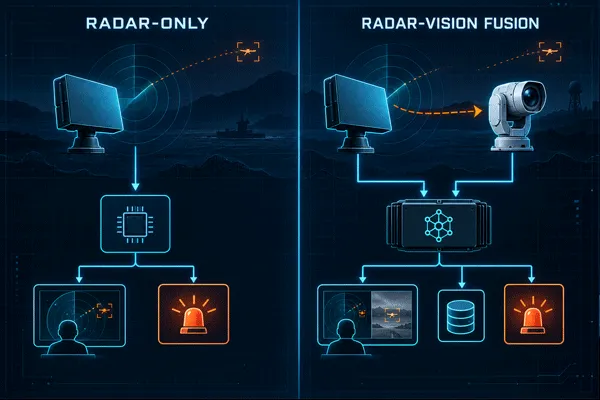
When purchasing a sistema de fus?o radar-EO, muitos compradores primeiro se concentram em especificações individuais, como alcance de detecção, zoom da câmera ou precisão de reconhecimento. No entanto, na implantação real, a confiabilidade do sistema raramente é determinada por um único parâmetro. Depende de saber se o radar, os sensores EO, a plataforma e o ambiente de implantação podem formar um ciclo operacional estável. Esta lista de verificação de aquisição de sistema de fusão radar-EO foi projetada não apenas para listar especificações de dispositivos, mas para ajudar os compradores a avaliar se um sistema é realmente adequado para defesa de baixa altitude, segurança de parques industriais, proteção de instalações energéticas e monitoramento de áreas protegidas.
Um sistema maduro de fusão radar-EO deve responder a seis questões-chave:
1. Consegue detetar alvos a tempo?
2. Consegue rastrear alvos continuamente?
3. Pode confirmar alvos através de dispositivos EO?
4. Pode reduzir falsos alarmes e deteções falhadas?
5. Pode registar eventos e suportar a revisão?
6. Consegue adaptar-se ao ambiente do local e operar de forma fiável ao longo do tempo?
Estas seis questões correspondem a quatro grupos de indicadores: capacidade de deteção de radar, capacidade de imagem EO, capacidade de fusão de plataforma e condições de implementação e operação. Cada grupo resolve parte do problema e, juntos, determinam a fiabilidade global do sistema.
Portanto, antes da aquisição, os compradores não devem comparar apenas os preços dos equipamentos ou especificações de uma única gama. Devem avaliar o sistema a partir de quatro perspetivas: indicadores de radar, indicadores EO, capacidade de fusão da plataforma e condições de implementação e operação.
Primeiro grupo de indicadores: Capacidade de Deteção e Seguimento de Radar
Radar is the first sensing layer of a fusion system. É responsável pela descoberta de alvos, localização de alvos, geração de trilhos e triagem preliminar de riscos. Os indicadores de radar determinam se o sistema consegue detetar primeiro.
Alcance de deteção
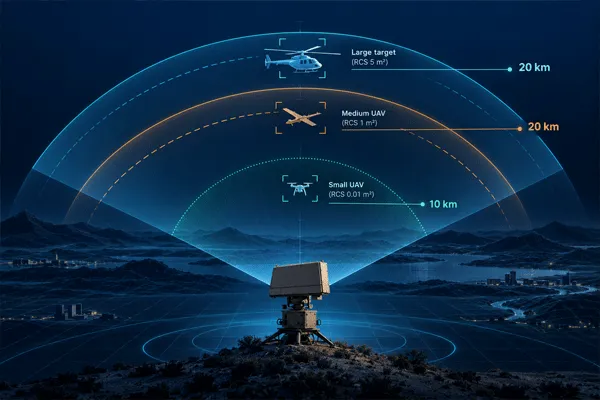
O alcance de deteção é um dos indicadores de aquisição mais visíveis, mas também é um dos mais facilmente incompreendidos. O alcance de deteção declarado por um radar está geralmente relacionado com o tamanho do alvo, características de reflexão, altura da instalação, obstrução do terreno, ruído ambiental e condições meteorológicas.
| Item de Avaliação |
Pergunta para confirmar |
| Alcance máximo de deteção |
Sob que tipo de alvo e condições de teste foi medido? |
| Alcance operacional efetivo |
Corresponde ao local real do projeto? |
| Zona cega de curto alcance |
Vai afetar cercas, entradas ou áreas-chave? |
| Ângulo de cobertura |
Consegue cobrir as direções e áreas necessárias? |
| Cobertura multi-dispositivo |
Existem lacunas de cobertura entre vários radares? |
O julgamento de aquisições não deve focar-se apenas em "até onde pode detetar". Deve focar-se em "até onde consegue detetar de forma fiável no local real."
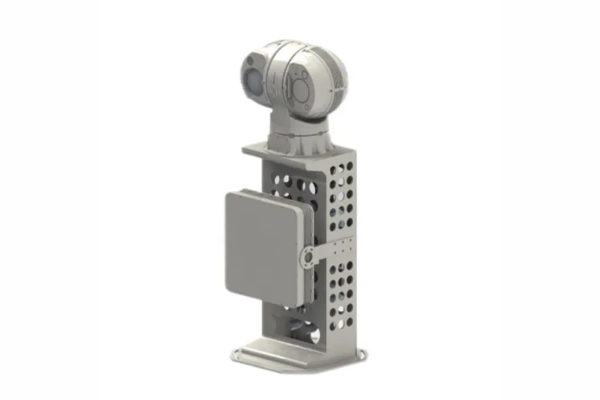
Lista de verificação para aquisição de sistemas de fusão radar-EO com quatro grupos indicadores
Medição de Alcance, Ângulo e Velocidade
A monitorização em baixa altitude ou proteção do perímetro não se resume apenas a saber se existe um alvo. O sistema deve saber onde está o alvo, em que direção se move e qual é a sua tendência de movimento. Portanto, o radar deve fornecer dados estruturados estáveis de alvo.
| Indicador de Radar |
Valor de Aquisição |
| Precisão de distância |
Afeta a posição do alvo em mapas ou em zonas definidas |
| Precisão angular |
Afeta a precisão do apontamento dos dispositivos EO |
| Medição de velocidade |
Ajuda a avaliar o movimento do alvo e o nível de risco |
| Julgamento de título |
Determina se um alvo está a aproximar-se de uma área-chave |
| Taxa de atualização dos dados |
Afeta a continuidade da via e a velocidade de resposta da plataforma |
A precisão do ângulo e a taxa de atualização dos dados são frequentemente negligenciadas, mas afetam diretamente vinculação de radar EOdo radar. Se os dados do radar atualizarem lentamente ou o erro de rumo for elevado, o dispositivo EO pode não apontar rapidamente e com precisão para o alvo.
Capacidade de Seguimento Múltiplos Alvos
Em ambientes complexos, o sistema pode enfrentar múltiplos objetos em movimento ao mesmo tempo, incluindo drones, aves, reflexões de veículos, atividade humana ou outras interferências ambientais. O radar deve suportar o seguimento múltiplos alvos, não apenas a deteção de alvo único.
Os compradores devem confirmar:
• Quantos alvos podem ser rastreados simultaneamente;
• Se cada alvo pode receber um ID independente;
• Se os rastos se perdem facilmente quando os alvos se cruzam ou se aproximam;
• Se o sistema consegue recuperar uma via após obstrução temporária;
• Se a confiança do alvo ou informação de classificação do alvo está disponível;
• Se o sistema consegue distinguir objetos móveis ordinários de alvos de interesse.
Para áreas protegidas e grandes locais, a capacidade múltiplos alvos é crítica. Em projetos reais, o sistema enfrenta não um único alvo, mas sim um grupo-alvo em constante mudança.
Por exemplo, em parques industriais médios e grandes, centros de transporte ou cenários de monitorização de áreas protegidas, os sistemas de radar frequentemente precisam de rastrear entre 50 a 200 ou mais alvos simultaneamente para satisfazer os requisitos operacionais em ambientes complexos. O número final exigido deve ser avaliado com base no tamanho do local, tipo de alvo, complexidade do espaço aéreo e capacidade de processamento da plataforma.
Resistência a interferências e Adaptabilidade Ambiental
O radar depende menos da luz visível do que os sistemas EO, mas ainda pode ser afetado por interferência no solo, reflexões de múltiplos caminhos, aves, vegetação em movimento, reflexões de veículos e outros fatores ambientais. Os compradores devem avaliar se o radar tem capacidade de supressão de desordem e proteção de alvos.
| Condição do Sítio |
Foco em Compras |
| Árvores, relva ou arbustos |
O sistema pode reduzir a interferência causada pelo movimento da vegetação? |
| Edifícios densos |
Consegue lidar com reflexões multipath e resolução de desordem? |
| Estradas ou parques de estacionamento próximos da zona |
Pode excluir interferências irrelevantes do veículo? |
| Pequenos alvos de baixa altitude |
Pode formar faixas estáveis? |
| Operação ao ar livre de longa duração |
Tem uma adaptabilidade ambiental estável? |
A good radar não só deve ter um bom desempenho num campo de testes aberto. Deve também manter uma deteção estável e baixos alarmes falsos em locais reais complexos.
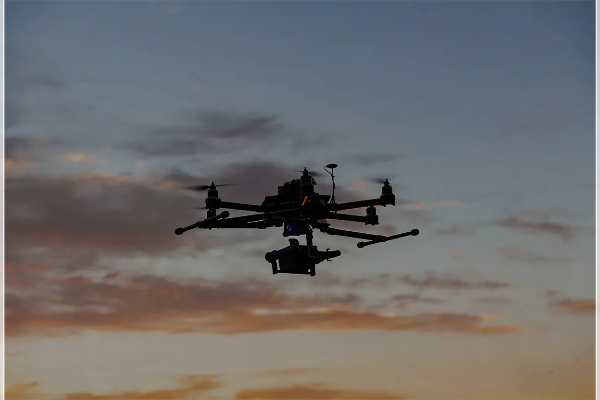
Gráfico de avaliação do indicador de seleção de radar de vigilância de baixa altitude
Segundo grupo de indicadores: Capacidade de Imagem e Confirmação EO
Os sistemas EO servem como a segunda camada de confirmação. São responsáveis pela confirmação visual, reconhecimento de alvos, evidências de imagem e revisão de eventos. EO responde à pergunta: qual é exatamente o alvo?
Capacidade de Imagem em Luz Visível
O valor central de uma câmara de luz visível é a imagem intuitiva. Os compradores não devem olhar apenas para os píxeis. Devem avaliar a objetiva, o desempenho em pouca luz, o zoom ótico, a ampla gama dinâmica e a capacidade de melhoria de imagem.
| Indicador EO |
Valor de Aquisição |
| Resolução |
Afeta o detalhe da imagem e a qualidade das evidências |
| Zoom ótico |
Afeta a confirmação de alvos a longa distância |
| Capacidade de baixa luminosidade |
Afeta a imagem noturna e em luz fraca |
| Ampla gama dinâmica |
Afeta a qualidade da imagem sob luz de fundo ou luz forte |
| Estabilização |
Afeta a estabilidade da observação em foco longo |
| De-embaça ou realce de imagem |
Afeta a observação sob nevoeiro, poeira ou baixo contraste |
O zoom digital não pode substituir o zoom ótico. A confirmação real de detalhes a longa distância depende da capacidade da objetiva ótica, do desempenho do sensor e do processamento de imagem a trabalharem em conjunto.
Capacidade de Infravermelhos ou Imagem Térmica
À noite, sob pouca luz, fumo, nevoeiro ou fundos complexos, a imagem infravermelha ou térmica pode melhorar a visibilidade do alvo. Pode não ser obrigatório para todos os projetos, mas é importante para sistemas que exigem operação em todas as condições meteorológicas.
Os compradores devem confirmar:
- Se é necessária monitorização contínua noturna;
- Se os alvos precisam de ser observados sem iluminação suplementar;
- Se é necessário identificar alvos fonte de calor;
- Se a resolução térmica satisfaz as necessidades práticas de reconhecimento;
- Se as imagens infravermelhas podem ser exibidas juntamente com imagens de luz visível;
- Quer sejam suportados snapshots, gravações e reprodução em plataforma.
Para aplicações de segurança em todas as condições meteorológicas, uma combinação de luz visível com infravermelhos é geralmente mais fiável do que a luz visível isolada.
Controlo Pan-Tilt e Seguimento do Alvo
Dispositivos EO geralmente funcionam com um unidade de panorâmica e inclinação. Depois que o radar detecta um alvo, a plataforma deve guiar o dispositivo pan-tilt em direção à área do alvo. Portanto, o desempenho do pan-tilt afeta a eficiência da ligação.
| Indicador Pan-Tilt |
Valor de Aquisição |
| Intervalo de rotação horizontal |
Determina se a cobertura de área larga é possível |
| Gama de inclinação |
Afeta a observação de alvos a baixa altitude e terrestres |
| Velocidade de rotação |
Determina a resposta a alvos de radar |
| Precisão de posicionamento |
Afeta a precisão do apontamento do alvo |
| Posições pré-definidas |
Permite uma recordação rápida das áreas-chave |
| Seguimento automático |
Suporta o seguimento contínuo de alvos em movimento |
Se o radar detetar o alvo mas o dispositivo EO rodar lentamente, apontar de forma imprecisa ou não conseguir rastrear de forma estável, o valor prático do sistema de fusão será reduzido.
Fluxo de trabalho de ligação EO do radar desde a deteção de alvos até ao ciclo de alerta
Recolha e Revisão de Provas
Os sistemas EO não são usados apenas para observação em tempo real. Devem também suportar a gravação de eventos. Os compradores devem confirmar se o sistema consegue guardar imagens-chave e informações de vídeo.
Confirme se o sistema suporta:
- Instantâneos de alarme;
- Clipes de vídeo antes e depois de um alarme;
- Reprodução de imagens de seguimento de alvo;
- Registar a pesquisa por hora, fuso ou tipo de alvo;
- Exportação de imagens, vídeos e registos de eventos;
- Associação com os registos de radar na plataforma.
Para projetos de segurança, a capacidade de provas é tão importante quanto a capacidade de deteção. O sistema não deve apenas encontrar um problema, mas também provar o que aconteceu.
Terceiro grupo de indicadores: Fusão de Plataforma e Gestão Inteligente
O núcleo de um sistema de fusão radar-EO não é apenas o equipamento front-end. Trata-se de saber se a plataforma consegue unificar dados de radar, imagens EO, regras de alarme e registos de eventos.
Entre os quatro grupos de indicadores, a capacidade de fusão de plataformas é a mais fácil de ignorar e a mais fácil de esconder atrás de uma demonstração enganosa. Algumas soluções parecem incluir tanto radar como dispositivos EO, mas na realidade apenas os exibem lado a lado, sem verdadeira ligação de dados, apontamento de alvos, gestão de alarmes ou ciclo de eventos.
Se o radar e o EO estão verdadeiramente ligados
Um verdadeiro sistema de fusão radar-EO deve pelo menos suportar o seguinte:
- O radar fornece automaticamente as coordenadas do alvo para a plataforma após a deteção;
- A plataforma orienta o dispositivo EO com base na posição do alvo;
- As imagens EO correspondem ao alvo do radar;
- A trajetória, imagem e informação de alarme do mesmo alvo pode ser apresentada em conjunto;
- Quando o alvo muda, o dispositivo EO pode continuar a rastrear ou reposicionar;
- Os operadores podem visualizar o processo alvo completo na plataforma.
Durante a aquisição, os compradores devem focar-se em saber se a demonstração completa o fluxo de trabalho completo, desde a deteção por radar até à confirmação do EO, em vez de apenas analisar parâmetros individuais do dispositivo.
Configuração da Regra de Zona
Uma plataforma madura deve permitir aos utilizadores configurar zonas de monitorização, zonas de atenção, zonas de alerta e zonas ignoradas com base nas condições do local. Nem todos os alvos que entram no alcance de deteção devem disparar um alarme. A plataforma deve rastrear os alvos de acordo com as regras operacionais.
| Capacidade da Plataforma |
Valor de Aquisição |
| Ecrã eletrónica de mapas |
Ajuda a visualizar a posição do alvo e a relação entre zonas |
| Desenho de zonas |
Suporta regras diferentes para diferentes áreas |
| Níveis de alarme |
Distingue alvos comuns, alvos de atenção e alvos de risco |
| Zonas ignoradas |
Reduz falsos alarmes causados por estradas, árvores ou interferências fixas |
| Horários |
Apoia o armamento e o desarmamento em diferentes períodos temporais |
| Gestão multi-dispositivo |
Suporta a gestão unificada de múltiplos locais ou pontos |
Quanto mais claras forem as regras da zona, melhor o sistema consegue transformar "o que o dispositivo vê" em "aquilo que realmente interessa ao utilizador".
Fusão de Informação Multi-Fonte
Uma plataforma de fusão deve processar mais do que vídeo. Deve tratar de rastreios de radar, identificações de alvos, velocidades de alvos, regras de zona, níveis de alerta e registos históricos.
Os compradores devem confirmar se a plataforma pode exibir e associar:
- Posição do alvo por radar;
- Rastreio de alvo;
- Identificação do Alvo;
- Velocidade e direção do alvo;
- Imagens em tempo real de EO;
- Hora do despertador;
- Zona de alarme;
- Registo de condução;
- Reprodução histórica.
Se a plataforma apenas exibir vídeo e não conseguir gerir rastreios de radar e registos de eventos, não é uma plataforma completa de fusão radar-EO.
Interfaces Abertas e Integração de Sistemas
Em projetos reais, os sistemas de fusão radar-EO muitas vezes precisam de se ligar a plataformas de segurança existentes, centros de comando, plataformas de vídeo ou sistemas de gestão de terceiros. A capacidade de interface afeta diretamente a expansão futura.
| Capacidade de Interface |
Valor de Aquisição |
| Interface de fluxo de vídeo |
Determina se as plataformas de vídeo existentes podem ser ligadas |
| Interface de dados de radar |
Determina se coordenadas, velocidade e trilhos podem ser emitidos |
| Interface de alarme |
Determina se os alertas podem ser enviados para sistemas de terceiros |
| Protocolos de rede |
Determina o suporte para métodos comuns de comunicação |
| Gestão de permissões |
Suporta diferentes funções de utilizador |
| Registos de registo |
Ajuda a rastrear operações e eventos do sistema |
| Exportação de dados |
Suporta análise e arquivamento posteriores |
Os compradores não devem apenas perguntar se o sistema pode ser integrado. Devem confirmar quais os dados que podem ser integrados, através de que protocolo e se a expansão futura é suportada.
Quarto grupo de indicadores: Implementação, Operação e Fiabilidade a Longo Prazo
Um sistema de fusão radar-EO deve operar no local ao longo do tempo. Portanto, as condições de implementação, a rede e o fornecimento de energia, a grau de proteção e a conveniência de manutenção devem ser incluídas na avaliação de aquisição.
1. Condições de Instalação
A seleção do sistema deve basear-se nas condições do local, não apenas nas folhas técnicas do dispositivo. A altura da instalação, obstrução, fonte de alimentação, rede, fundação do poste e direção de visualização afetam o desempenho real.
Os compradores devem confirmar:
- Se a altura de instalação cumpre os requisitos de cobertura;
- Se a direção do radar está bloqueada pelos edifícios;
- Se o campo de visão EO cobre áreas-chave;
- Se é necessária cobertura multiponto;
- Se existe uma fonte de alimentação estável disponível;
- Quer esteja disponível rede com fios ou sem fios;
- Seja necessário um implementação temporário ou móvel;
- Se a manutenção posterior é conveniente.
Um plano de sistema fiável deve começar com a avaliação do local antes de finalizar a quantidade do equipamento e os pontos de instalação.
Rede e Transmissão de Dados
Dados de radar, fluxos de vídeo, comandos de controlo e informações de alarme precisam todos de transmissão em rede. O design da rede afeta o desempenho e a estabilidade em tempo real do sistema.
| Problema com a rede |
Foco em Compras |
| Grande fluxo de vídeo |
Há largura de banda suficiente? |
| Elevada necessidade de dados de radar em tempo real |
Existe uma ligação de baixa latência? |
| Implementação multiponto |
O sistema suporta gestão centralizada? |
| Implementação de longa distância |
São necessárias ligações de fibra, sem fios ou 4G/5G? |
| Interrupção da rede |
Suporta buffering local ou retoma de transmissão? |
| Segurança dos dados |
São suportados permissões, encriptação ou controlo de acessos? |
Se a ligação de rede for instável, mesmo equipamentos de campo fortes não conseguem garantir uma ligação e gravação estáveis.
Lista de verificação de avaliação do local de pré-aquisição do sistema de fusão radar-EO
Grau de proteção e Adaptabilidade Ambiental
Os dispositivos de segurança exteriores devem enfrentar vento, chuva, pó, altas e baixas temperaturas, humidade, nevoeiro salino, vibrações e ambientes eletromagnéticos durante longos períodos. Os compradores devem avaliar cuidadosamente a adaptabilidade ambiental.
Os fatores-chave incluem:
- Classificação de proteção contra poeira e água;
- Intervalo de temperatura de funcionamento;
- Resistência à corrosão;
- Resistência ao vento;
- Capacidade de estabilização;
- proteção contra relâmpagos e eletricidade;
- Material de habitação;
- Estabilidade operacional a longo prazo;
- Auto-verificação de falhas e feedback de estado.
A adaptabilidade ambiental não é uma característica extra. É a base para uma operação estável a longo prazo.
Facilidade de manutenção e assistência pós-venda
Um sistema de fusão radar-EO não está concluído após a instalação. Operações posteriores requerem depuração, inspeção, otimização de parâmetros, atualizações de software e tratamento de falhas.
| Capacidade de Manutenção |
Valor de Aquisição |
| Configuração remota |
Reduz os custos de manutenção no local |
| Atualização remota |
Suporta a melhoria de algoritmos e plataformas |
| Monitorização do estado do dispositivo |
Ajuda a detetar problemas precocemente |
| Alarme de falha |
Melhora a velocidade de resposta da manutenção |
| Consulta ao registo |
Ajuda a identificar problemas |
| Permissões baseadas em funções |
Reduz erros de operação |
| Apoio ao treino |
Ajuda os utilizadores a operar de forma independente |
| Peças sobressalentes e resposta de serviço |
Afeta a fiabilidade a longo prazo |
A aquisição deve considerar não só que equipamento é adquirido, mas também quem o irá manter, como será mantido e com que rapidez pode ser restaurado.
Que informações do local devem os compradores preparar antes da compra?
Para ajudar os fornecedores a fornecer uma solução mais precisa, os compradores devem preparar as seguintes informações antes da comunicação do projeto.
| Tipo de Informação |
Detalhes |
| Informações do site |
Área, limite, áreas-chave, distribuição dos edifícios |
| Tipos de alvos |
Drones, pessoas, veículos, animais ou outros objetos em movimento |
| Necessidades de monitorização |
Deteção precoce, confirmação visual, registos de alarme, ligação à plataforma |
| Condições ambientais |
Iluminação, clima, obstruções, árvores, estradas, fontes de reflexão |
| Condições de implementação |
Pontos de instalação, postes, energia, rede, limites de construção |
| Requisitos da plataforma |
Quer plataformas de vídeo existentes ou centros de comando necessitem de integração |
| Requisitos de O&M |
Gestão remota, exportação de registos, controlo de permissões |
| Requisitos de conformidade |
Armazenamento de dados, direitos de acesso, processos de gestão do local |
Quanto mais completa for a informação, mais fácil é produzir uma solução que corresponda ao local real e evite reformulações posteriores.
Lista de Verificação para Aquisição de Sistema de fusão radar-EO
A lista de verificação seguinte pode ser utilizada para uma revisão rápida pré-aquisição. Recomenda-se imprimir e verificar durante a comunicação do projeto, comparação de fornecedores ou avaliação do local para evitar focar-se apenas nas especificações do dispositivo, ignorando a capacidade global do sistema.
| Categoria de Avaliação |
Itens Essenciais a Verificar |
| Capacidade de radar |
Alcance de deteção, precisão da distância, precisão do ângulo, medição de velocidade |
| Capacidade de radar |
Seguimento múltiplos alvos, identificação de alvo, continuidade da pista |
| Capacidade de radar |
Supressão de desordem, resistência a interferências, blindagem de alvos |
| Capacidade EO |
Resolução em luz visível, zoom ótico, capacidade em pouca luz |
| Capacidade EO |
Imagem térmica, observação noturna, melhoria de imagem |
| Capacidade EO |
Velocidade de inclinação panorâmica, precisão de posicionamento, seguimento automático |
| Capacidade da plataforma |
Ligação EO do radar, visualização do mapa, configuração da zona |
| Capacidade da plataforma |
Níveis de alarme, pesquisa de registos, reprodução de vídeo, exportação de dados |
| Capacidade da plataforma |
Interfaces de terceiros, gestão de permissões, gestão de registos |
| Condições de implementação |
Altura da instalação, obstrução, energia e rede, número de pontos |
| Condições de O&M |
Manutenção remota, monitorização do estado, alarme de avaria, apoio a atualizações |
| Ajuste ao projeto |
Se o levantamento do local e a verificação da solução foram concluídos |
Uma solução fiável deve cumprir requisitos em deteção de radar, confirmação de EO, fusão de plataforma e operação de implementação, em vez de ter um bom desempenho apenas num parâmetro.
Cinco Erros Comuns nas Aquisições
1. Focar-se apenas na distância de deteção, não nas condições do local
As distâncias nas folhas de dados são geralmente obtidas em ambientes de teste específicos. Em projetos reais, obstrução, reflexão, tamanho alvo e altura da instalação afetam o desempenho.
2. Focar apenas no zoom da câmara, não na velocidade de ligação
O zoom elevado é valioso, mas se o dispositivo de inclinação panorâmica rodar lentamente ou apontar de forma imprecisa, o sistema ainda não consegue confirmar rapidamente os alvos.
3. Focar-se apenas em equipamentos de campo, não na capacidade da plataforma
Radar e EO são dispositivos de deteção front-end. Sem fusão de plataformas, julgamento baseado em regras e registos de eventos, é difícil formar um ciclo de segurança completo.
4. Focar-se apenas em alertas, não em registos e revisões
O verdadeiro valor do sistema não é apenas a geração de alarmes. Inclui também pesquisa posterior, retenção de provas, revisão de eventos e melhoria da gestão.
5. Focar-se apenas na demonstração de ponto único, não na operação multiponto
Uma demonstração de ponto único pode parecer eficaz, mas os grandes sites frequentemente exigem coordenação entre vários dispositivos. Os compradores devem confirmar se a gestão multiponto unificada é suportada.
Conclusão
Comprar um sistema de fusão radar-EO não é simplesmente escolher um radar e uma câmara. Trata-se de avaliar se um sistema completo pode operar de forma fiável em condições reais de local.
O radar determina se o sistema consegue detetar e rastrear alvos a tempo.
O EO determina se o sistema pode confirmar visualmente os alvos e manter evidências de imagem.
A plataforma determina se dados de radar, imagens EO, regras de zona e registos de alarme podem ser integrados num fluxo de trabalho acionável.
A implementação e a operação determinam se o sistema pode funcionar de forma fiável a longo prazo.
Portanto, a questão mais importante antes da seleção não é "até onde este dispositivo pode detetar?", mas:
Consegue completar todo o ciclo de deteção, rastreio, confirmação, alerta, gravação e revisão?
Só quando a deteção por radar, confirmação EO, fusão de plataforma e operação de implementação cumprem os requisitos do projeto é que esta lista de verificação para aquisição de sistemas de fusão radar-EO pode realmente ajudar os compradores a selecionar uma solução adequada para defesa a baixa altitude, monitorização de áreas protegidas e gestão de segurança a longo prazo.
Precisa de ajuda para avaliar a configuração do seu sistema?
Se planeia um projeto de monitorização a baixa altitude, segurança do local ou proteção de áreas protegidas, recomenda-se introduzir a avaliação do local e a verificação da ligação do sistema na fase de conceção.
A Midradar pode fornecer aconselhamento sobre a seleção de sistemas de fusão radar-EO e apoio ao design de soluções para ajudar os projetos a avançar mais rapidamente e reduzir custos de ajuste posteriores causados por pontos de instalação, ligações de rede, integração de plataformas ou condições ambientais.
Também pode rever a solução do sistema de fusão radar-EO para avaliar melhor a configuração do sistema.
Perguntas Frequentes
1. Qual é o fator mais importante ao comprar um sistema de fusão radar-EO?
O fator mais importante não é uma única especificação, mas a capacidade do sistema para completar o ciclo operacional completo. Os compradores devem avaliar a deteção por radar, confirmação EO, fusão de plataforma e operação de implementação para confirmar se o sistema pode completar a deteção, rastreio, confirmação, alerta, registo e revisão.
2. Um alcance de deteção por radar mais longo é sempre melhor?
Não necessariamente. A distância de deteção deve ser avaliada juntamente com o tipo de alvo, altura da instalação, obstrução do local, desordem ambiental e área real de proteção. Focar-se demasiado no alcance, ignorando a precisão do ângulo, a taxa de atualização e a resistência à interferência, pode levar a um desempenho instável na implementação real.
3. Em que parâmetros EO devem os compradores focar-se?
Os principais parâmetros EO incluem resolução em luz visível, zoom ótico, capacidade de pouca luz, capacidade de imagem térmica, velocidade de rotação panorâmica e inclinação, precisão de posicionamento, rastreio automático e captura de evidências. O zoom digital não pode substituir o zoom ótico.
4. Porque é que a capacidade da plataforma é importante?
A plataforma determina se os dispositivos de radar e EO podem ser verdadeiramente ligados. Uma plataforma completa deve suportar a visualização da faixa de alvo, configuração das regras de zona, apontamento automático de EO, registos de alarme, reprodução de vídeo, exportação de dados e integração com sistemas de terceiros.
5. Porque é necessária a avaliação do local antes da aquisição?
As especificações dos dispositivos são geralmente obtidas em ambientes de teste padrão, enquanto os locais reais frequentemente apresentam condições diferentes de obstrução, reflexão, rede e instalação. A avaliação do local ajuda a confirmar se a solução se enquadra verdadeiramente nos requisitos do projeto e evita grandes ajustes após a aquisição.



 14:16
14:16